Best Conditioning Workouts for Athletic Performance and Total Fitness
by Ivan Escott
Jun 17, 2026
•9 minutes

Conditioning is one of the key foundations of athletic performance. Along with strength, explosiveness, and speed, conditioning should be trained with intention. Conditioning is what allows you to repeat high-level output, recover quickly, and stay effective deep into fatigue.
Whether you're a competitive athlete, hybrid athlete, or simply pursuing a personal fitness goal, the right conditioning program will improve your physical capacity to manage fatigue and develop mental resilience.
Our team at Peak Strength is going to break down the best conditioning workouts for athletic performance, along with deeper insight into how they work and how to apply them.
The Importance of Conditioning for Performance
Conditioning is not just cardio, it’s your body’s ability to produce, sustain, and recover from effort. That being said, just doing 30 minutes of steady state incline on a treadmill isn’t going to be the ultimate conditioning workout (though it is better than nothing).
A well-rounded conditioning protocol develops three key systems:
Aerobic System (Endurance)
Fuels longer-duration activity
Supports recovery between high-intensity efforts
Essential for sustained performance
Anaerobic System (Power)
Drives explosive efforts like sprints and heavy lifts
Supports short bursts of high intensity
Determines peak output
Lactate Threshold (Fatigue Resistance)
Controls how long you can sustain high effort before fatigue
Higher threshold = longer performance at intensity
When these systems are trained together, you gain:
Increased stamina and work capacity
Faster recovery between sets and sessions
Greater power output under fatigue
Improved mental toughness
Conditioning builds the engine. It’s what allows you to stay consistent when fatigue starts to set in.
5 Best Conditioning Workouts for Total Fitness
Now let’s take a look at our top 6 conditioning workouts and protocols that will help you develop better cardiovascular endurance.
Endurance Threshold Training
Endurance threshold training focuses on sustaining a hard but manageable pace for an extended period of time. This type of training sits near the athlete’s lactate threshold, which is the point where the body begins accumulating fatigue faster than it can clear it. The goal is to improve the body’s ability to tolerate and recycle metabolic byproducts while maintaining performance output.
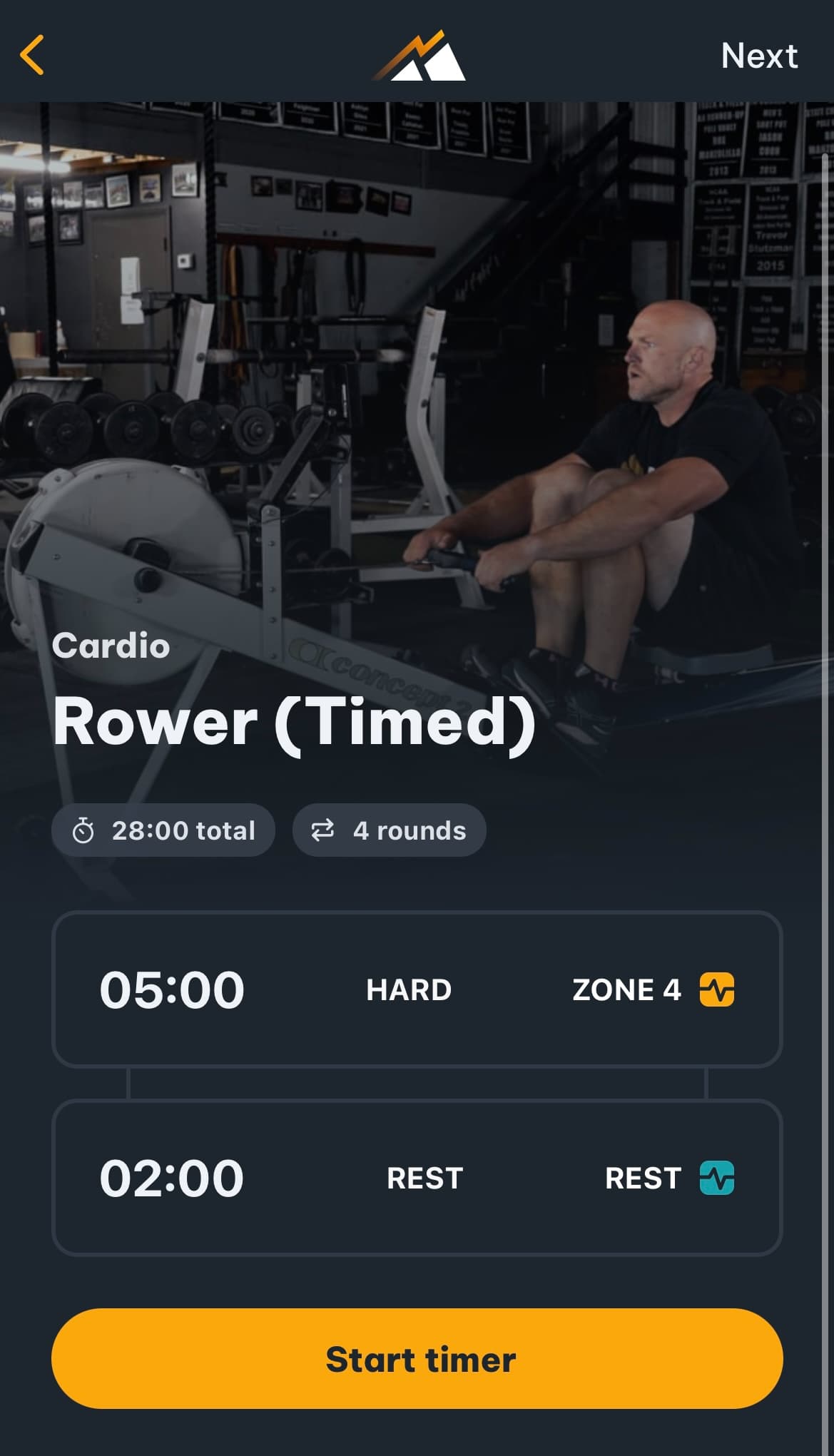
A common threshold session could involve repeated efforts lasting 3-5 minutes at roughly Zone 4 and Zone 5 intensity with res periods of 2-4 minutes. Athletes should feel uncomfortable but still capable of maintaining movement quality and rhythm
Threshold training is highly beneficial because it improves cardiovascular efficiency, muscular endurance, and recovery between intense efforts. Athletes become better at sustaining higher outputs without rapidly crashing from fatigue. This style of conditioning is extremely valuable for combat sports, soccer, basketball, hockey, lacrosse, wrestling, and middle-distance track athletes who repeatedly operate at high intensities during competition.
High Intensity Interval Training
High Intensity Interval Training, especially the Tabata protocol, is one of the most aggressive and time efficient methods for improving conditioning. Traditional Tabata training consists of 20 seconds of maximum effort work followed by 10 seconds of rest repeated for 8 rounds, totaling four minutes. While short in duration, the intensity is extremely demanding.
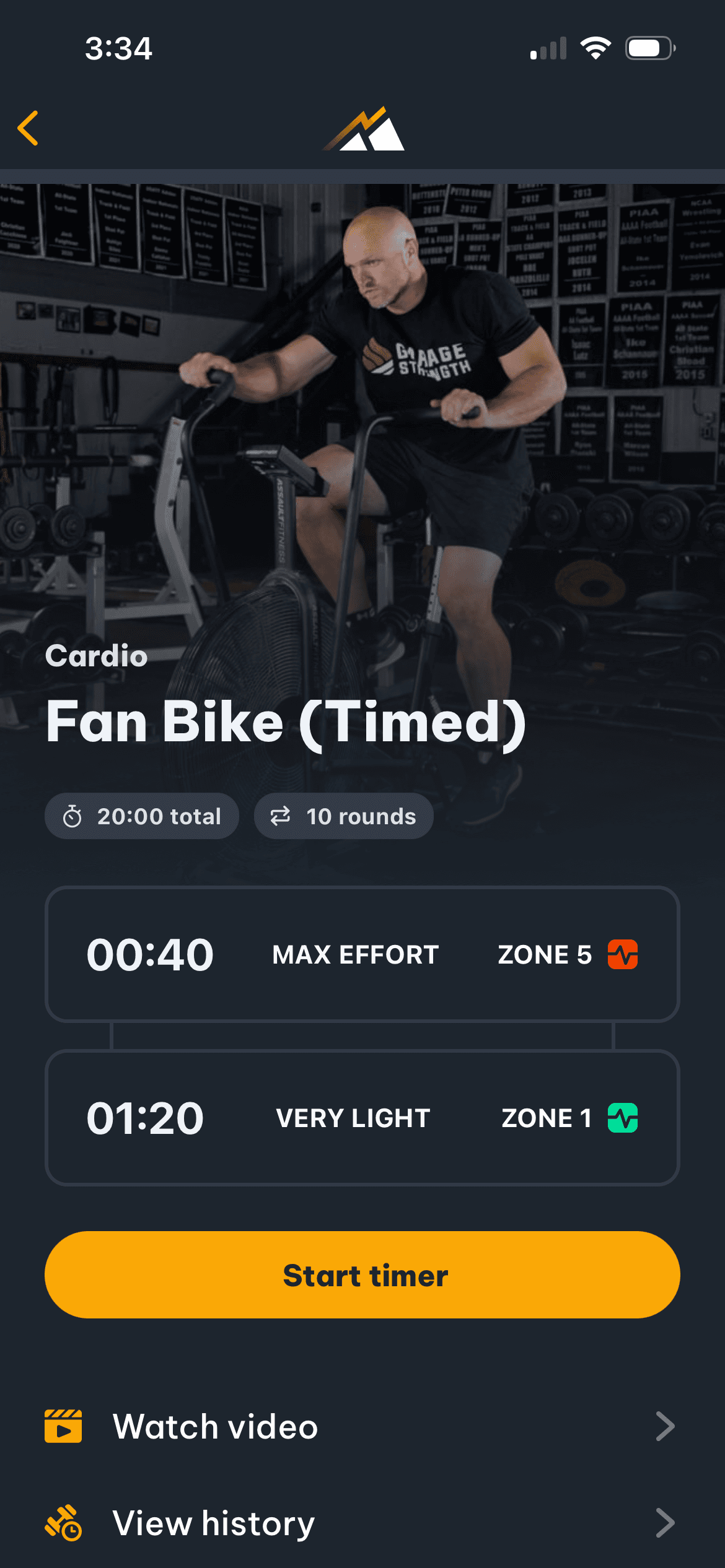
The key is maximal effort during the work period. Athletes should push hard enough that the short recovery barely feels sufficient before the next round begins.
Tabata style conditioning improves anaerobic capacity, explosive repeatability, cardiovascular fitness, and mental toughness. Because recovery windows are so short, athletes learn how to repeatedly generate force under fatigue. HIIT works well during preseason and in-season periods because it delivers significant conditioning benefits without requiring excessive training time.
Sports that benefit most from HIIT and Tabata conditioning include wrestling, MMA, football, rugby, hockey, sprint cycling, and short duration track events. These athletes must repeatedly produce high power outputs while recovering quickly between explosive actions.
Distance Oriented Cardio
Distance-based conditioning can be performed as either threshold training or Long Slow Distance (LSD) cardio depending on the pace and duration. The goal is not simply to accumulate miles, but to improve the specific energy systems required for sport. By manipulating distance, coaches can target different conditioning adaptations while developing an athlete's ability to sustain effort over time.
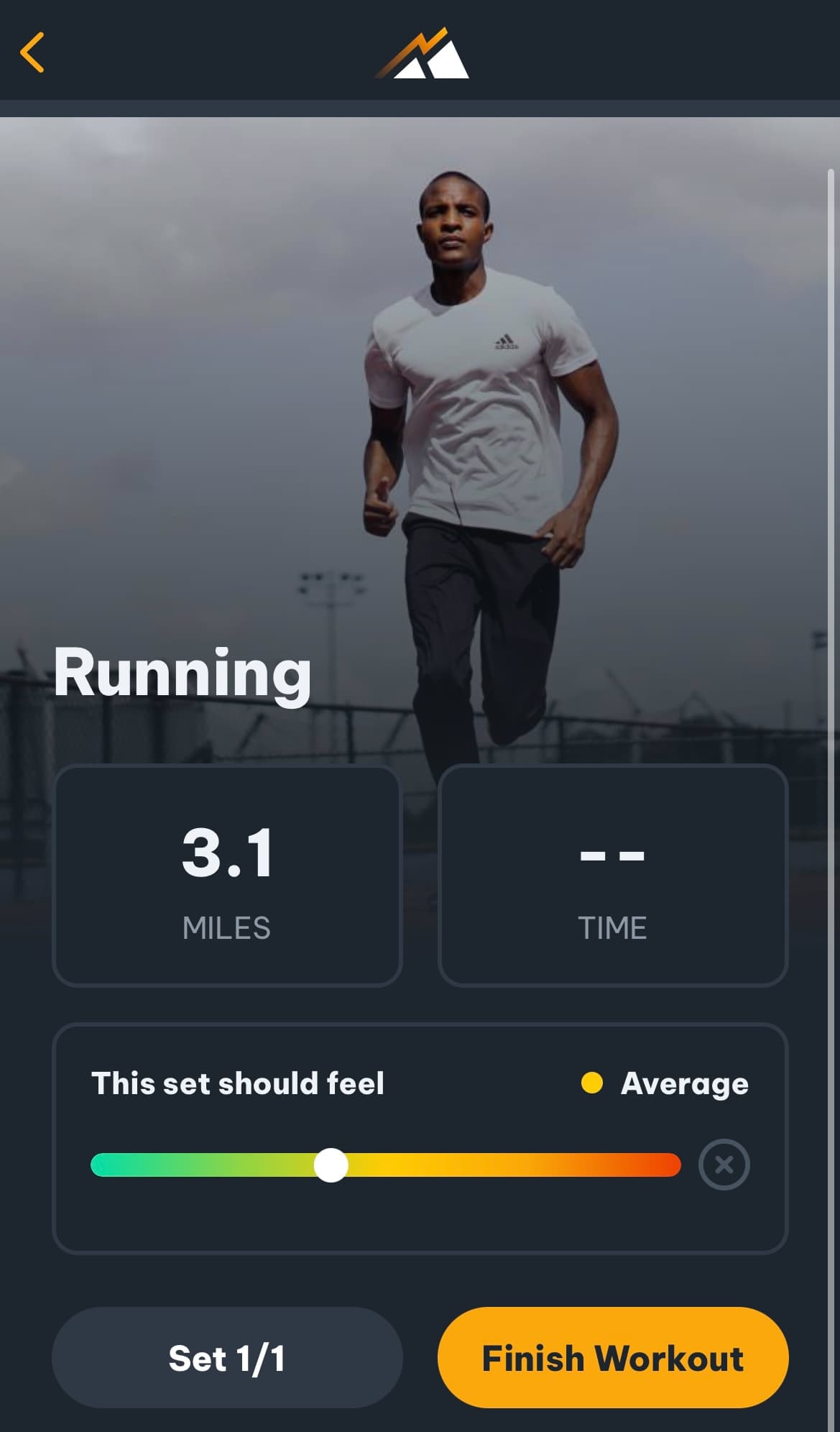
Shorter distances, such as 400-800 meter runs or similar rowing and swimming efforts, are often used for threshold conditioning because they require athletes to maintain a challenging pace while managing fatigue. Medium distances, such as 1-3 miles, can improve aerobic endurance and recovery capacity for sports like soccer, basketball, wrestling, and hockey. Longer distances, such as 3-6 miles or 30-60 minutes of continuous work, are typically used as LSD cardio to build aerobic efficiency, improve recovery, and increase overall work capacity.
Distance-based conditioning is especially valuable because it can be adjusted to match the demands of virtually any sport. Endurance athletes often perform longer distances to maximize aerobic development, while field and court sport athletes typically benefit from shorter threshold-oriented distances that improve their ability to sustain repeated high-intensity efforts throughout competition. By selecting the appropriate distance and intensity, athletes can develop the conditioning qualities most important for their performance.
Cardio Circuits with Various Exercises
Cardio circuits combine multiple exercises into one continuous conditioning session with limited rest between movements. These circuits challenge the cardiovascular system while also improving muscular endurance, coordination, movement variability, and full body work capacity.
The variety of movements forces the body to adapt to constantly changing physical demands while keeping athletes mentally engaged.
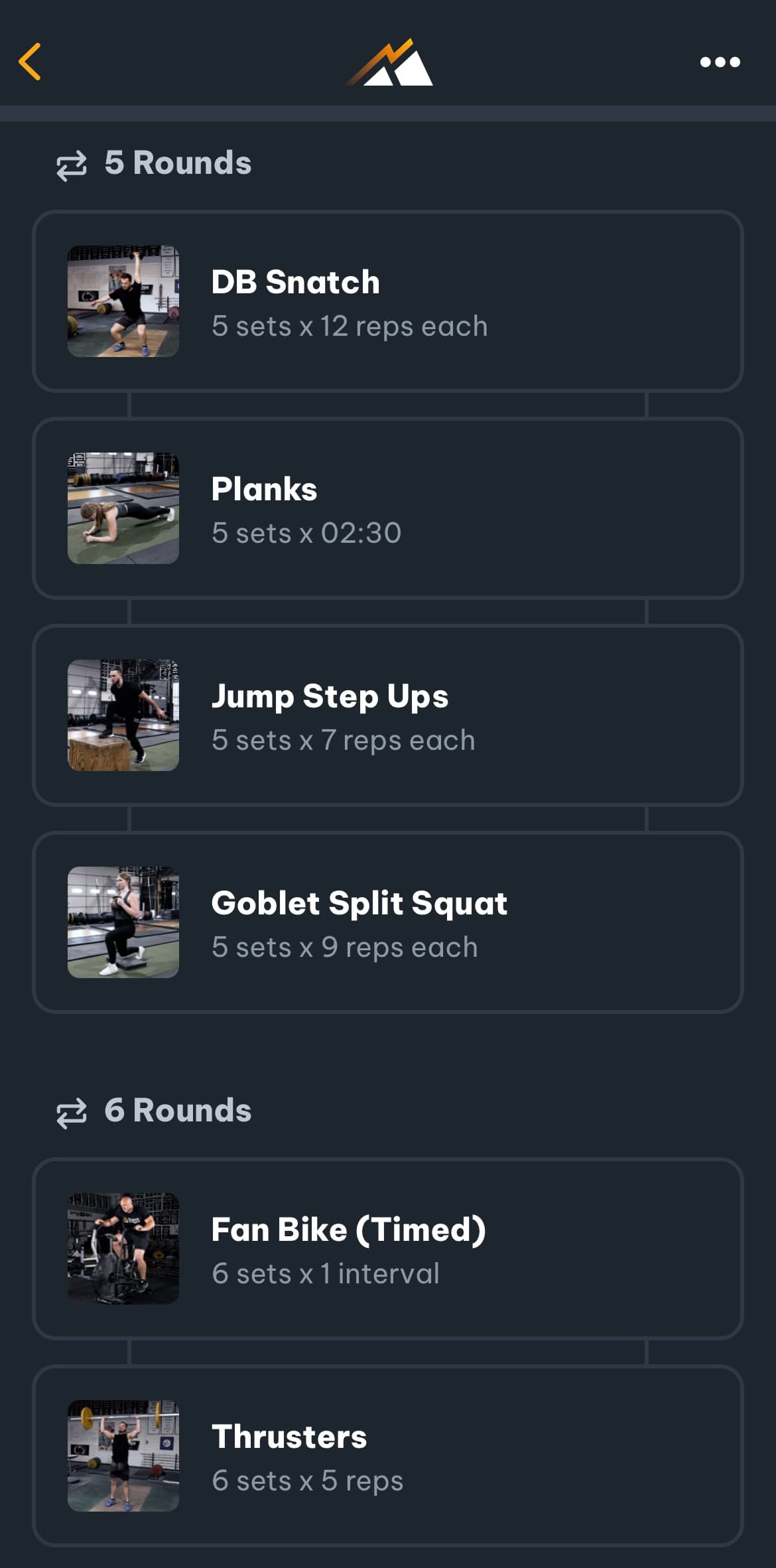
One of the biggest advantages of circuit conditioning is its versatility. Coaches can manipulate intensity, duration, movement selection, and rest periods depending on the sport and training phase. Circuits can also mimic the chaotic nature of athletic competition where athletes constantly transition between movement patterns and energy demands.
.png&w=3840&q=75)
.png&w=3840&q=75)
Cardio circuits are especially useful for combat athletes, tactical athletes, wrestlers, field sport athletes, and general fitness populations.
Timed LSD Cardio
Long Slow Distance cardio, commonly called LSD cardio, involves sustained low intensity movement for extended periods of time. A 40-minute session could include jogging, cycling, rowing, incline walking, swimming, or steady state work on a machine while maintaining a conversational pace.
The purpose of LSD cardio is not maximal output. Instead, it develops aerobic efficiency, recovery ability, and foundational endurance without placing excessive stress on the nervous system. Athletes should remain at roughly 60-70% or Zone 2 intensity where breathing is elevated but controlled.
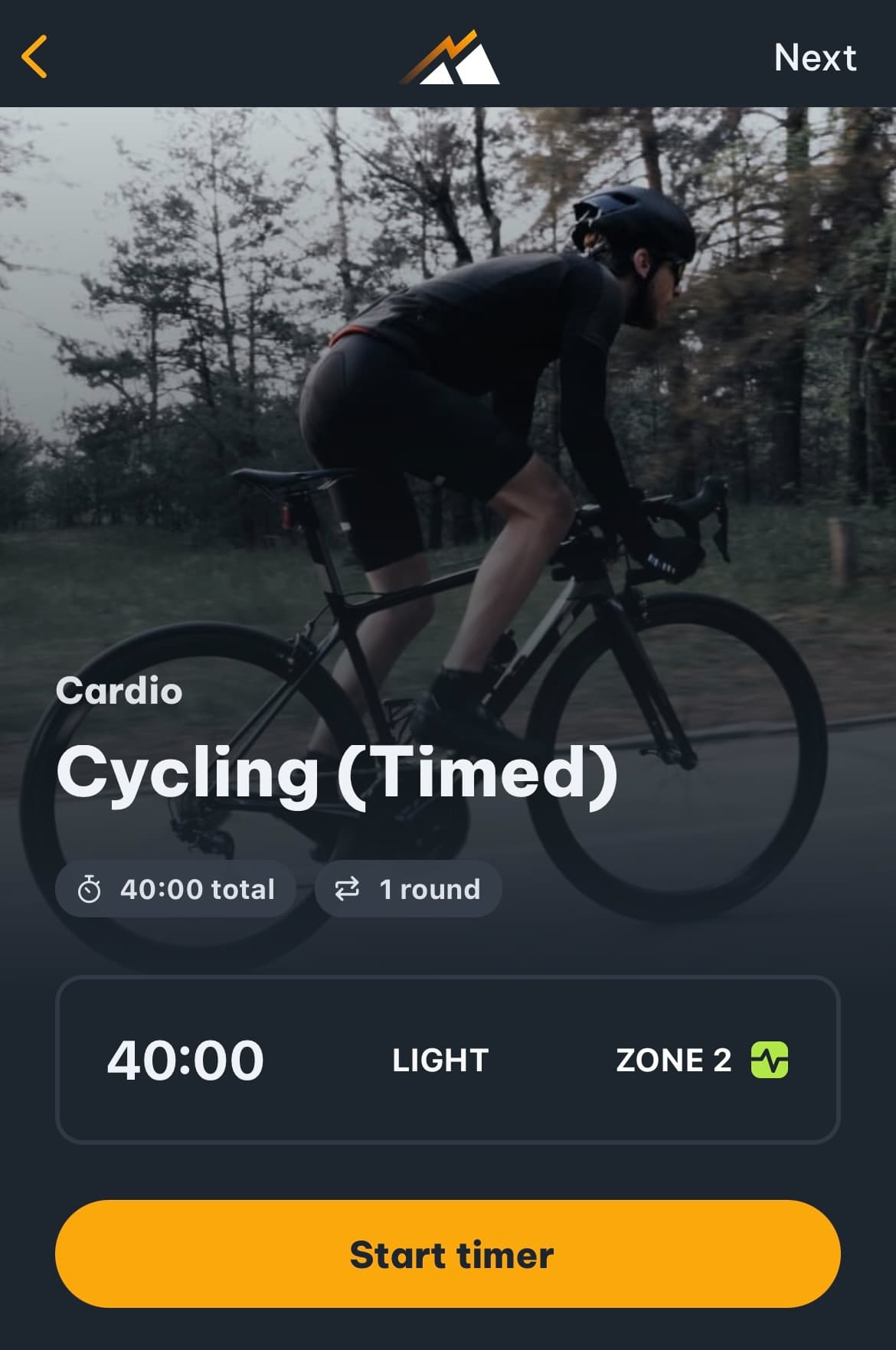
It improves capillary density, stroke volume of the heart, oxygen delivery, and general recovery capacity. It can also help athletes manage fatigue during high volume training periods because the intensity is low enough to avoid excessive muscular damage.
LSD cardio is especially beneficial for endurance athletes, recovery focused training phases, weight management goals, and athletes returning from injury who need to rebuild conditioning gradually.
How to Program Conditioning Effectively
Conditioning training isn’t something you do every single day. For many sports, they will get most of their conditioning training from practicing their actual sport and don’t need much supplemental work outside of practice.
Here’s an easy layout that works for most athletes.
1 session of endurance threshold training at the start of the week
1 session of LSD in the middle of the week
1 session of HIIT at the end of the week.
Conditioning should support your goals and performance, not leave you overly fatigued to the point where you can’t train the next day. Some sports require very little cardiovascular output, in this case reduce the HIIT and threshold recommendation. For high endurance sports like distance running and triathlon, multiple sessions per week of varying training types.
4 Common Conditioning Training Mistakes
Training at Maximum Intensity Every Session
Many athletes believe every conditioning workout should leave them exhausted, but constantly training at maximum intensity often leads to burnout, poor recovery, and declining performance. High intensity work places major stress on the nervous system and muscles, making recovery difficult when done too frequently.

Over time, athletes may lose explosiveness, feel constantly fatigued, and increase injury risk. Effective conditioning programs balance hard sessions with lower intensity work to allow long term adaptation and consistent progress.
Ignoring Recovery and Rest
Conditioning improvements happen during recovery, not just during the workout itself. Athletes who ignore sleep, hydration, nutrition, and rest days often struggle to improve because their body never fully adapts to training stress. Poor recovery can lead to chronic soreness, reduced endurance, slower reaction times, and increased injury risk.
Recovery allows the cardiovascular system, muscles, and nervous system to rebuild so athletes can train harder and perform better over time.
Failing to Track Progress or Increase Difficulty Over Time
Many athletes repeat the same conditioning workouts every week without tracking performance or increasing difficulty. Eventually, the body adapts and progress slows down. Conditioning should gradually become more challenging through faster pacing, longer duration, reduced rest periods, or greater workload. Tracking metrics such as heart rate, pace, rounds completed, or recovery time helps athletes measure improvement and avoid staying stuck at the same fitness level for months.
Relying Only on Steady-State Cardio
Steady-state cardio can improve aerobic fitness, but relying on it alone limits overall athletic conditioning. Most sports require explosive bursts, changes of direction, and repeated high intensity efforts that steady jogging or biking cannot fully replicate.

Athletes who only perform long slow cardio may struggle with power output and recovery during competition. Combining aerobic work with intervals, circuits, and explosive conditioning creates a more complete and sport specific conditioning system.
The Bottom Line
Good conditioning can be what separates average performance from high-level output. It helps you to maintain strength, speed, and focus even when fatigue sets in.
A complete training approach isn’t just about lifting heavier or running faster, it’s about building a system that develops strength, conditioning, and real-world performance together. When conditioning is integrated properly into a structured program, the results carry over into every aspect of training and competition.
Wrestling World Champion, DeAndre Nunn, used Peak Strength to improve his conditioning and outlast opponents on the international stage through effective conditioning programming.
If you’re serious about taking your performance to the next level, conditioning needs to be a consistent part of your training.
Start your trial of Peak Strength and work toward your goals with a system that gets proven results.
Ivan Escott
Ivan is a national-level Olympic weightlifter and performance coach at Garage Strength Sports Performance.