The Best Exercises to Grow a Bigger and Stronger Back
by Ivan Escott
Dec 23, 2025
•8 minutes
.jpg&w=3840&q=75)
Earn Your Wings With These Back Exercises
A well-developed back is one of the most important assets for both physique and athletic performance. Beyond visual width and thickness, back strength plays a major role in posture, explosive power, pulling strength, rotational force, and injury resilience.
Almost every sport (football, wrestling, baseball, MMA, track and field, powerlifting, Olympic lifting, and even endurance sports) benefits from having a stronger, more capable back.
However, many lifters lean on the wrong movements.
Weighted pull-ups with chains or plates, or traditional bent-over rows, may look impressive, but they are not always the most effective exercises for long-term growth and strength. Choosing movements with the right mechanics and repeatable progression is what leads to a bigger and stronger back.
Below our team at Peak Strength has put together a list of the most effective exercises for developing width, density, and full athletic back development. Additionally, you can find a free back finisher, directly from Peak Strength, at the end of the article
The Top Exercises to Build Your Back
Let’s dive into the best exercises to build a big back.
1. Pendlay Rows
Why we like them: Pendlay rows incorporate a combination of strength and power to build back both a stronger and more muscular back.
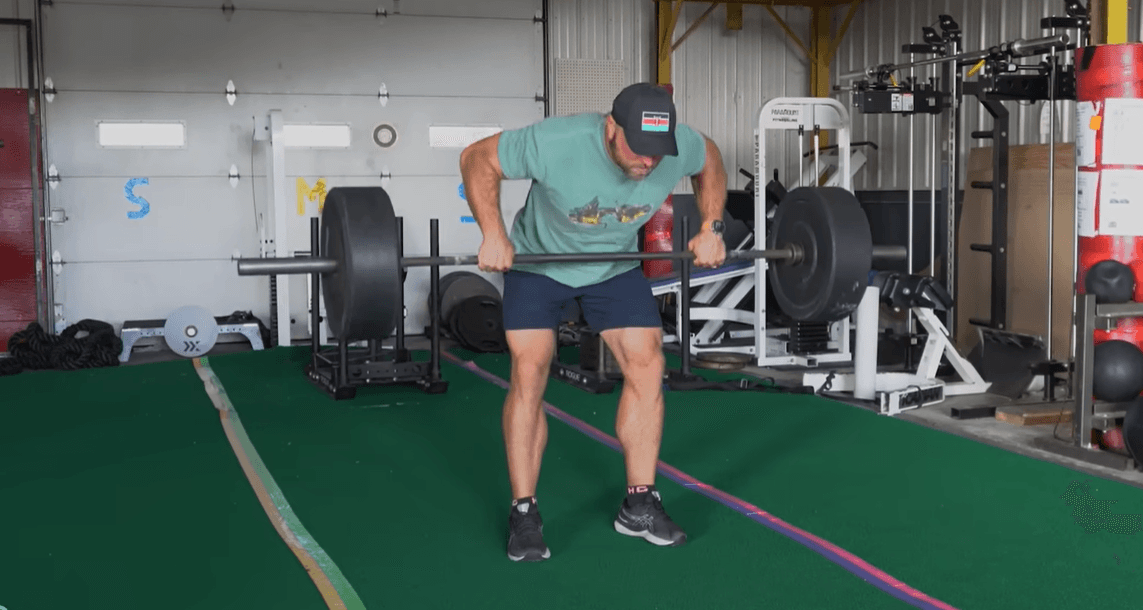
While bent-over rows are commonly used, and certainly effective, the Pendlay row is often superior due to its explosive pulling mechanics and strict form requirements.
Starting every rep from the floor forces the athlete to generate power from a dead stop, increasing muscle activation and strength carryover.
Why Pendlay Rows Are More Effective than Bent-Over Rows
Each rep begins from a dead stop, eliminating momentum.
Powerful activation of the lats, upper back, and rear delts.
Reduced lower-back strain due to resetting every rep.
Excellent for athletes needing speed-strength and power.
Improves bar path awareness and consistent form.
Athletes across strength and power sports benefit greatly from mastering this variation.
2. Chest-Supported Rows
Why we like them: chest supported rows provide targets back training without lower back fatigue.
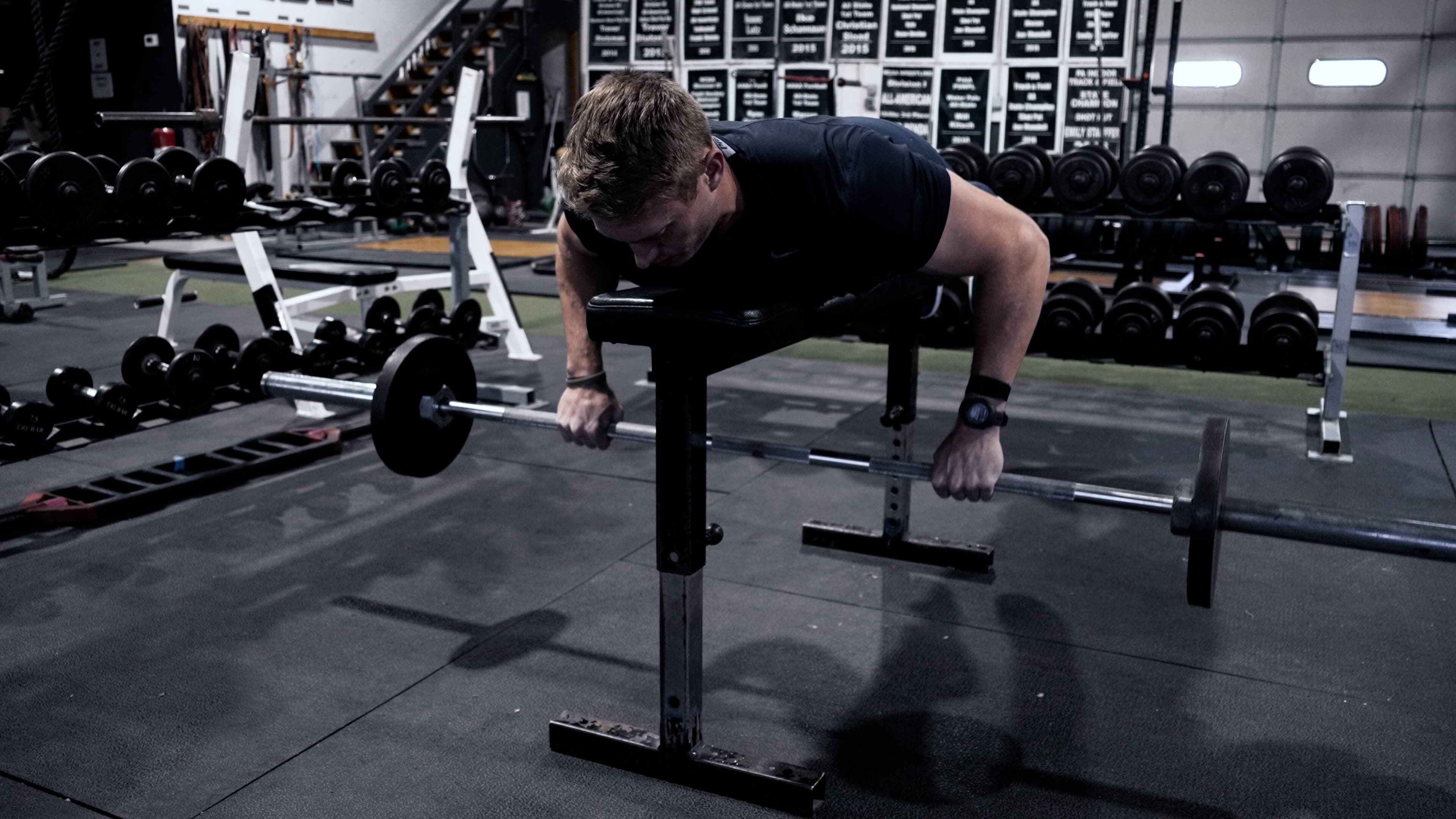
Chest-supported rows, often performed on an incline bench, eliminate the ability to cheat and ensure that all the tension stays on the back muscles, rather than incorporating other muscle groups like the legs, or using momentum to get the weight up. This makes them one of the best hypertrophy-focused back exercises.
Key Advantages
Removes lower-back involvement and ensures full lat and upper-back tension.
Encourages strict form and controlled tempo work.
Elevating the bench allows for a greater range of motion.
Helpful during phases of heavy squatting or deadlifting where managing fatigue is important.
Improves scapular retraction and mid-back activation.
This movement is a staple for balanced back development and safer high-volume training.
3. Reverse-Grip Seated Rows
Why we like them: Reverse-grip seated rows provide isolated muscle recruitment of the middle back and lats.
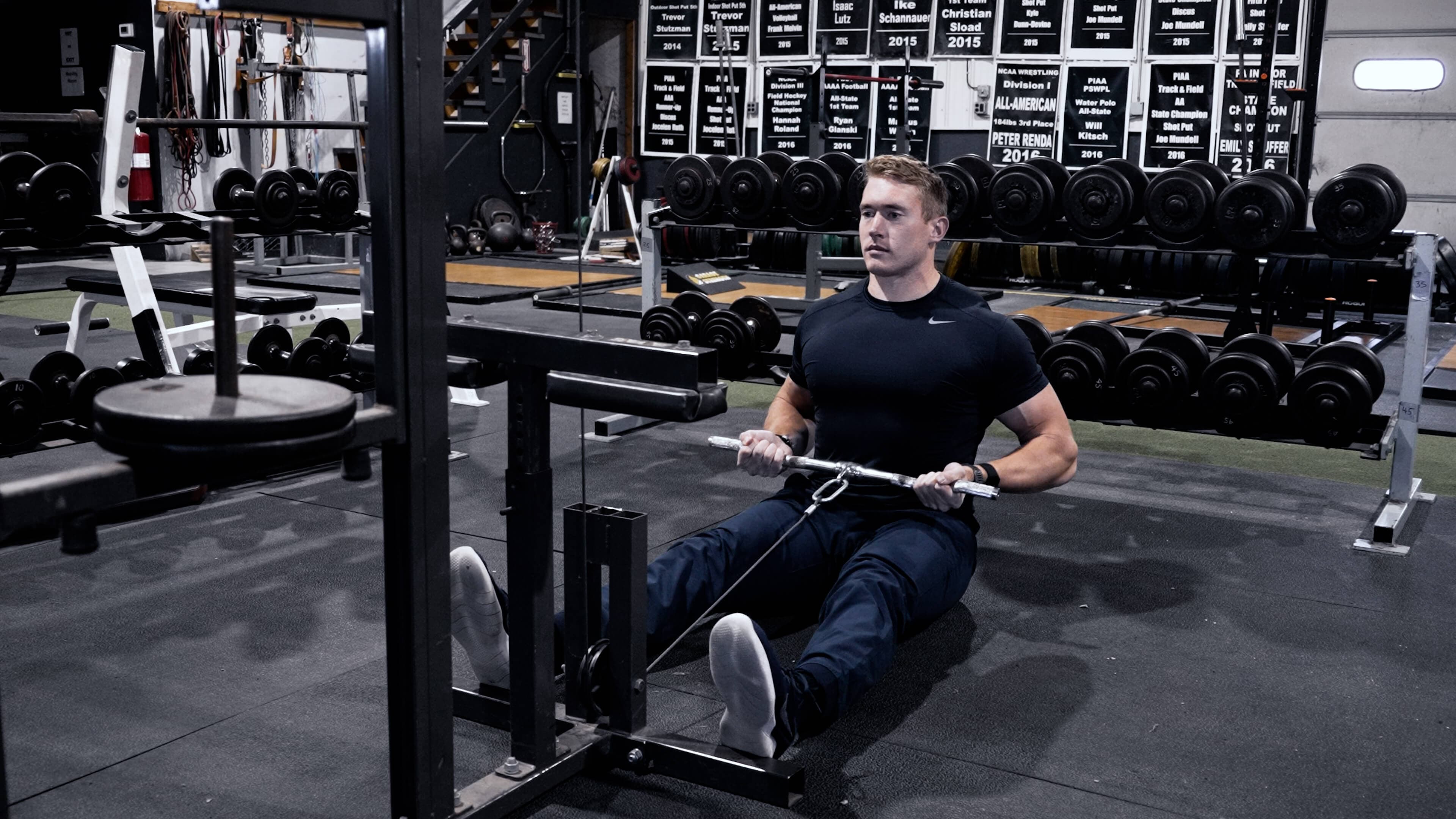
Switching to a reverse grip on seated rows significantly changes the movement pattern and muscle recruitment. This variation emphasizes shoulder extension and gives many lifters a stronger lat contraction.
Why Reverse-Grip Rows Are So Effective
Enhances lower-lat activation and deeper contractions.
Helps lifters who struggle to “feel” their lats during rowing movements.
Reduces reliance on the biceps and improves back isolation.
Reinforces strong pulling patterns that transfer well to grappling, rowing, and swimming.
Improves elbow path for more efficient lat loading.
As a machine-based accessory movement, this is one of the most effective for pure back growth.
4. Neutral-Grip Pull-Ups
Why we like them: neutral-grip pull-ups are a joint friendly vertical pull for strength and bicep hypertrophy.
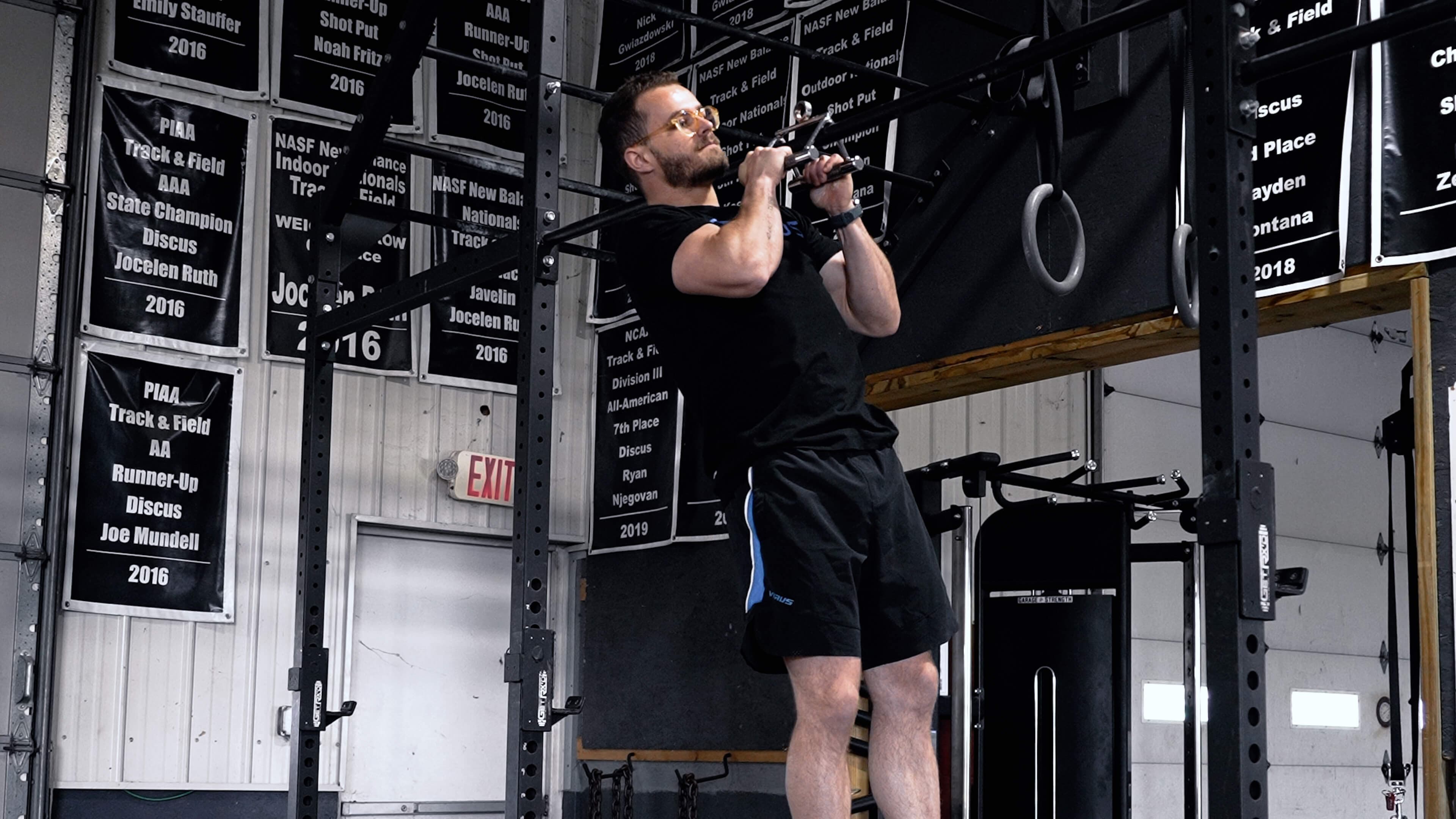
Weighted pull-ups can be loaded in many creative ways—dip belts, chains, plates on the feet, dumbbells between the legs—but neutral-grip pull-ups often provide better mechanics for building a strong, wide back.
Advantages of Neutral-Grip Pull-Ups
More shoulder-friendly than wide-grip or pronated pull-ups.
A neutral pulling path allows a deeper range of motion.
Targets the lats, teres major, and upper back effectively.
Allows for cleaner reps and heavier progressions.
Ideal for athletes needing vertical pulling strength without shoulder irritation.
This is one of the most balanced and athletic pulling variations available.
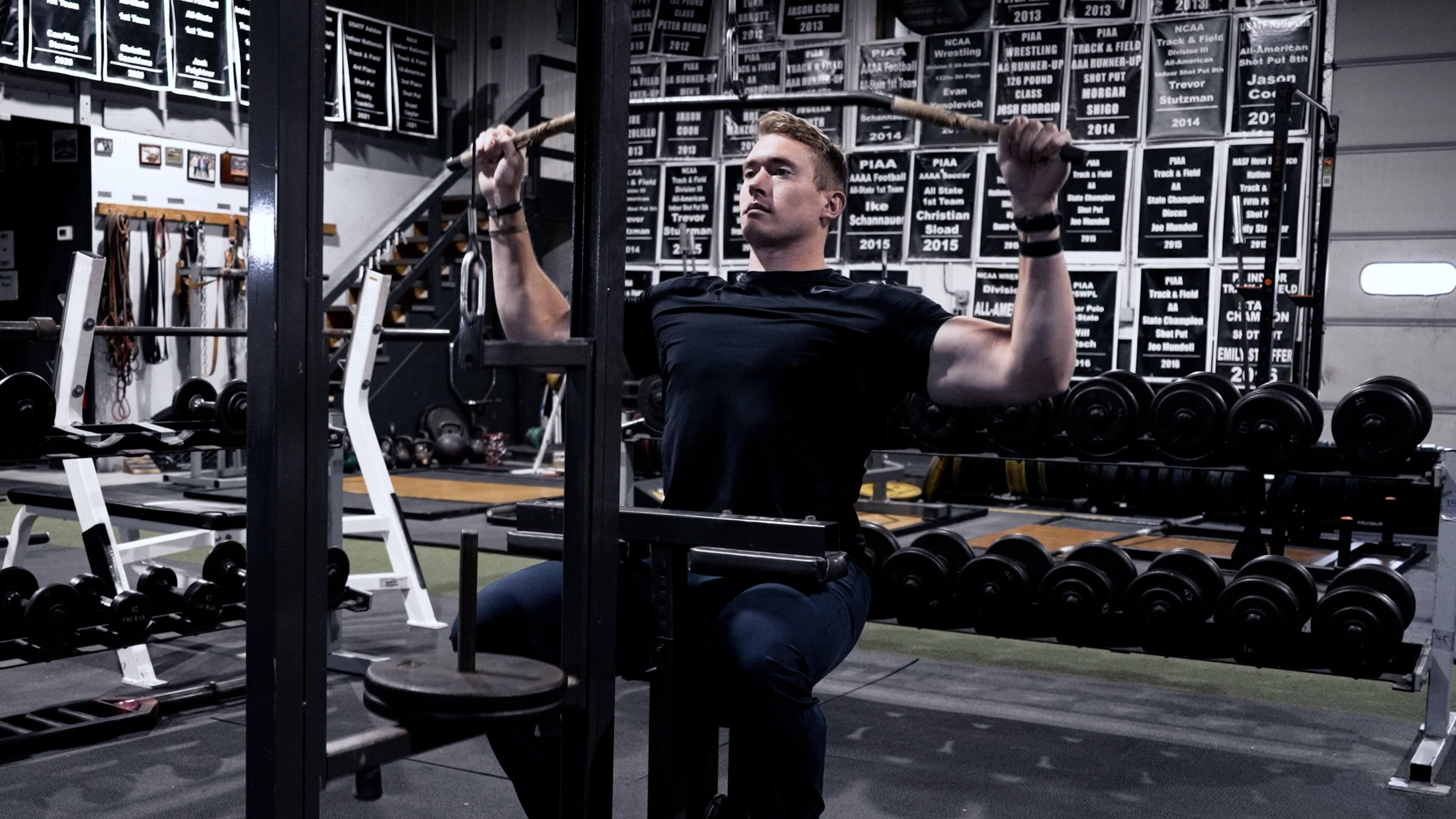
5. Lat Pulldowns:
Why we like them: lat pulldowns require high volume sets and are a top pick for back hypertrophy.
.png&w=3840&q=75)
.png&w=3840&q=75)
Lat pulldowns are an essential tool for improving lat activation, building width, and accumulating hypertrophy-focused training volume. This is a classic exercise that can be incorporated into just about any training program ever, and for good reason.
Why Lat Pulldowns Matter
Helps isolate the lats through controlled, full-range motion.
Ideal for high-repetition or slow-tempo training.
Useful for reinforcing technique before progressing to heavier pull-up variations.
Offers numerous grip options to target different back regions.
Allows consistent training even when fatigued from heavy compounds.
This exercise complements pull-ups and provides reliable tension and control.
Why Back Strength Is Crucial for Athletic Performance
A stronger back is not just a cosmetic upgrade (though having wide lats does look pretty cool). It is a performance advantage with broad impact across all physical tasks that you may complete in your day to day life.
1. Posture and Structural Balance
Back strength plays a critical role in sports performance by allowing athletes to maintain optimal posture and structural integrity under high forces. In Olympic weightlifting, a strong upper and mid-back enables the lifter to hold stable positions off the floor, maintain posture through the pull, and keep the bar close to the body.
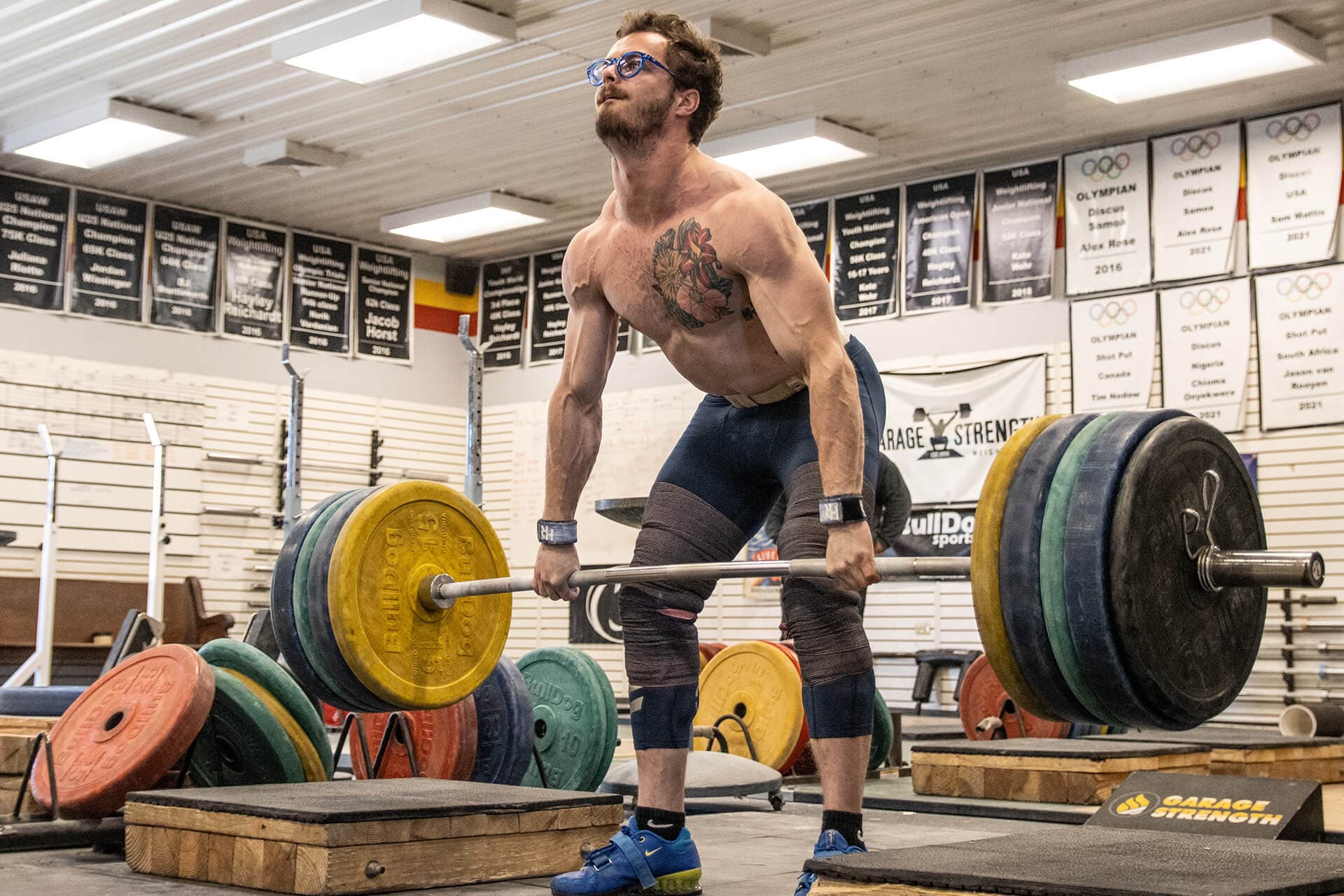
Proper back strength prevents early rounding, shoulder collapse, and positional breakdowns that reduce power transfer. By maintaining efficient alignment, athletes can apply force more effectively, move heavier loads with consistency, and reduce technical errors that limit performance and increase injury risk.
2. Explosive Power Production
Explosive power production relies heavily on back strength to efficiently transfer force from the lower body through the torso and into an implement. In shot put and discus, the back stabilizes the spine and shoulders during rapid rotational and linear movements, allowing energy generated from the legs and hips to be transmitted without loss.
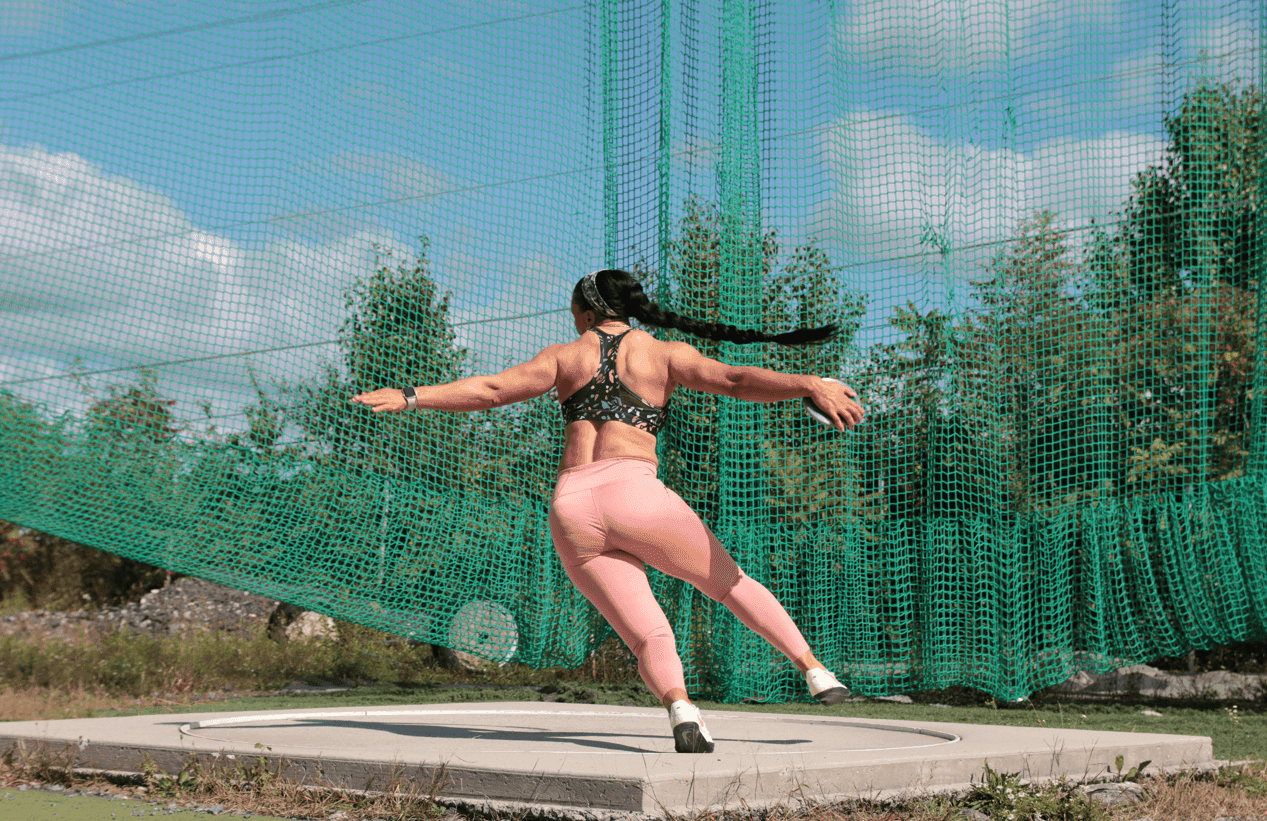
A strong upper and mid-back helps maintain posture through the power position, supports aggressive trunk rotation, and controls deceleration after release. This structural support enables athletes to apply force faster and more efficiently, increasing release velocity while reducing energy leaks that limit distance and consistency.
3. Injury Prevention
Back strength is a key driver of injury prevention by improving spinal stability, shoulder integrity, and force absorption under high stress. A strong upper and mid-back helps control excessive flexion, rotation, and shoulder collapse during dynamic movements, reducing strain on vulnerable joints and soft tissue.

In sports like wrestling, where athletes are constantly pulling, resisting force, and absorbing contact, back strength allows the body to handle sudden loads without positional breakdown. This structural support minimizes compensations that lead to overuse injuries, protects the neck and lower back, and supports long-term durability across demanding training and competition cycles.
4. Full Upper-Body Strength Development
Full upper-body strength development depends heavily on back strength, as the back serves as the primary engine for pulling, stabilization, and force transmission. A strong back enhances shoulder control, scapular stability, and efficient arm movement, allowing other upper-body muscles to function more effectively.

In swimming, back strength supports powerful pull phases, maintains proper body alignment in the water, and reduces excessive strain on the shoulders during high-volume training. Well-developed lats and upper-back muscles improve propulsion while stabilizing the shoulder joint, leading to stronger strokes, improved endurance, and reduced injury risk across long training sessions and competitive races.
Programming for a Bigger and Stronger Back
Choosing the right exercises is only the starting point of building a bigger, stronger, and more athletic back. Long-term progress is driven by structured, intelligent programming that accounts for how the body adapts over time.
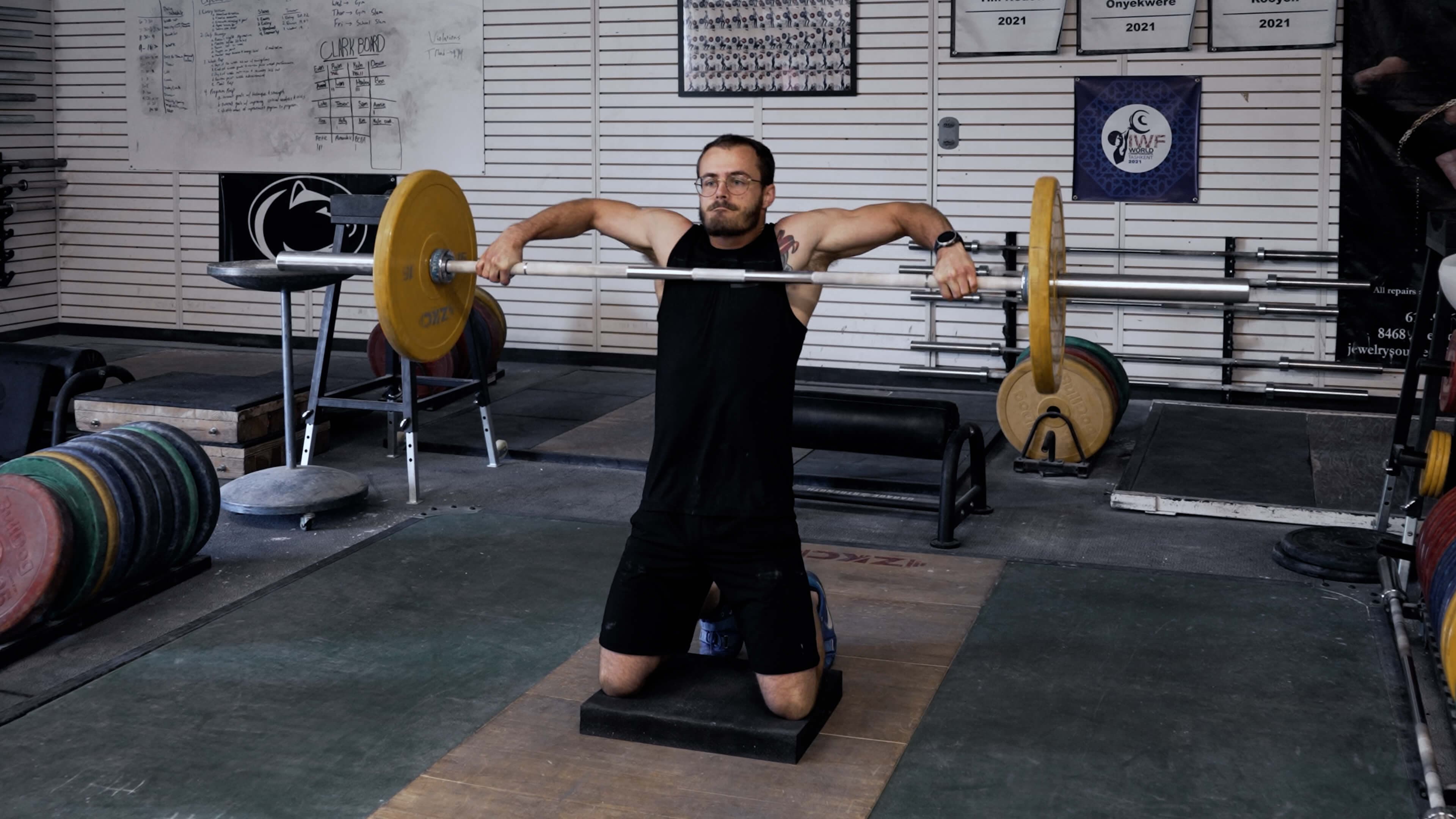
This means applying progressive overload in a systematic way, organizing training into periodized cycles, and managing volume and intensity so gains are made without accumulating unnecessary fatigue. Effective programming also requires smart exercise selection that evolves as strength levels, technical proficiency, and recovery capacity improve.
Peak Strength is built around these principles. Every program is professionally designed with the athlete in mind, ensuring that strength, power, and hypertrophy are developed in a balanced and sustainable manner.
Training cycles are carefully structured to push performance forward while respecting recovery, allowing athletes to train hard without breaking down. As performance improves, programs are adjusted to maintain progression and avoid plateaus.
If your goal is to develop a back that is not only bigger and stronger, but also capable of supporting high-level athletic performance, Peak Strength provides a complete, reliable training system designed to deliver consistent, long-term results.
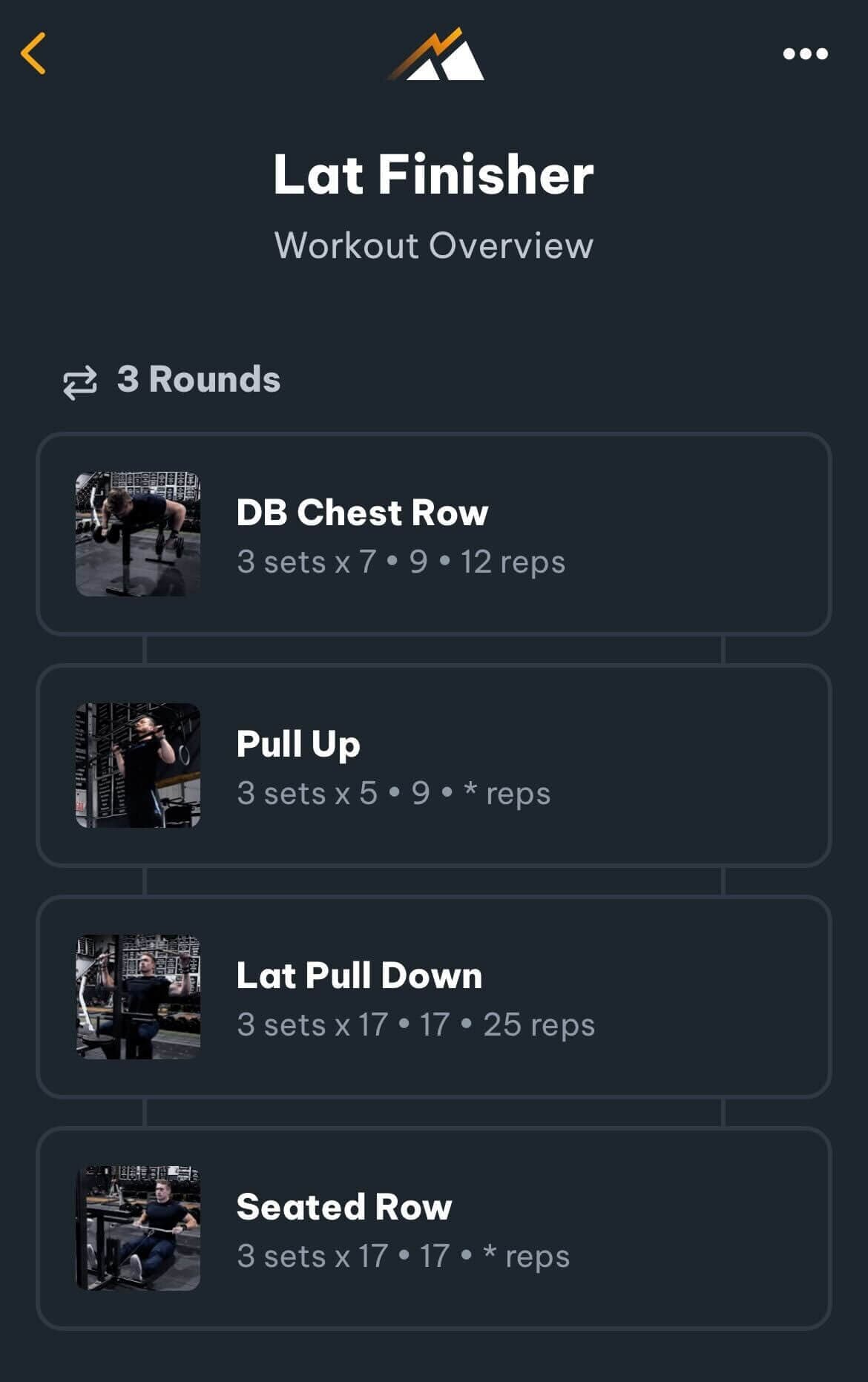
Free Back Workout from Peak Strength
Final Thoughts
A powerful back improves posture, strength, performance, and injury resistance. It serves as the foundation for nearly every athletic movement and is one of the most visually impressive muscle groups to develop. By prioritizing exercises that maximize muscle recruitment and support long-term progression, such as Pendlay rows, chest-supported rows, reverse-grip rows, neutral-grip pull-ups, and lat pulldowns, you set yourself up for meaningful strength and muscle growth.
When these exercises are paired with structured, intelligent programming, progress becomes more consistent and predictable over time. With the right tools and guidance, like Peak Strength, you can build a back that enhances your physique, supports your athletic goals, and drives long-term performance and durability.
Ivan Escott
Ivan is a national-level Olympic weightlifter and performance coach at Garage Strength Sports Performance.