How to Build an Athletic Physique + Training Split
by Ivan Escott
Apr 15, 2026
•9 minutes
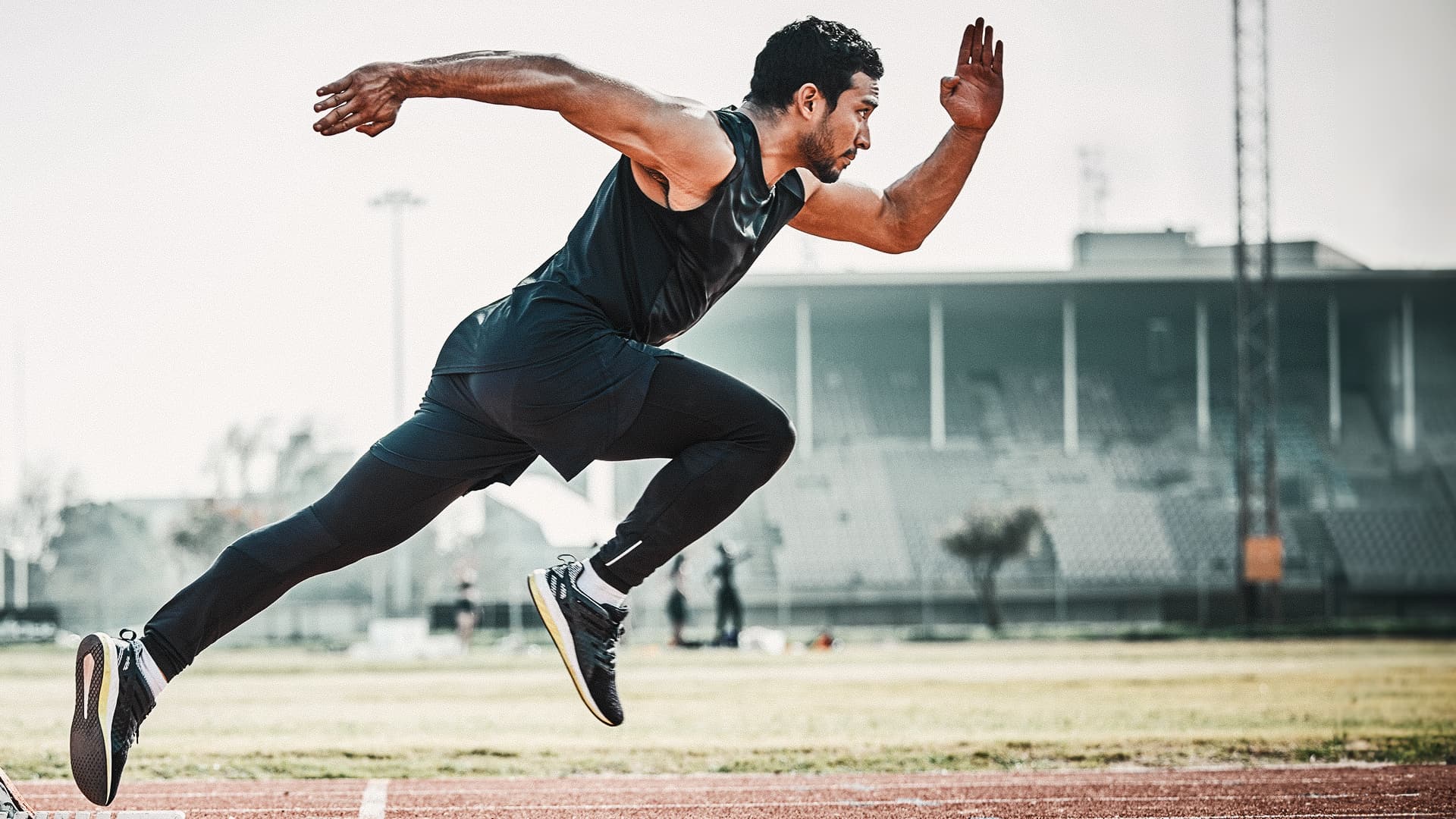
Athletes come in all shapes and sizes. Some athletes are built with long limbs and leverage, while others are compact and sturdy. You’ll see wide shoulders, narrow waists, thick hips, or long torsos, depending on the sport and the individual. But despite all that variation, there’s a clear common thread: athletes look powerful, lean, and capable.
They carry muscle with purpose. Often having defined abs, sculpted arms, and strong glutes. These physical qualities aren’t just for aesthetics; they’re a reflection of performance. The physique is a byproduct of what the body can do.
A well-developed core isn’t just about having visible abs. It’s about controlling the trunk under movement and load. Every sprint, cut, jump, or lift depends on how well the entire core stabilizes the spine and transfers force.
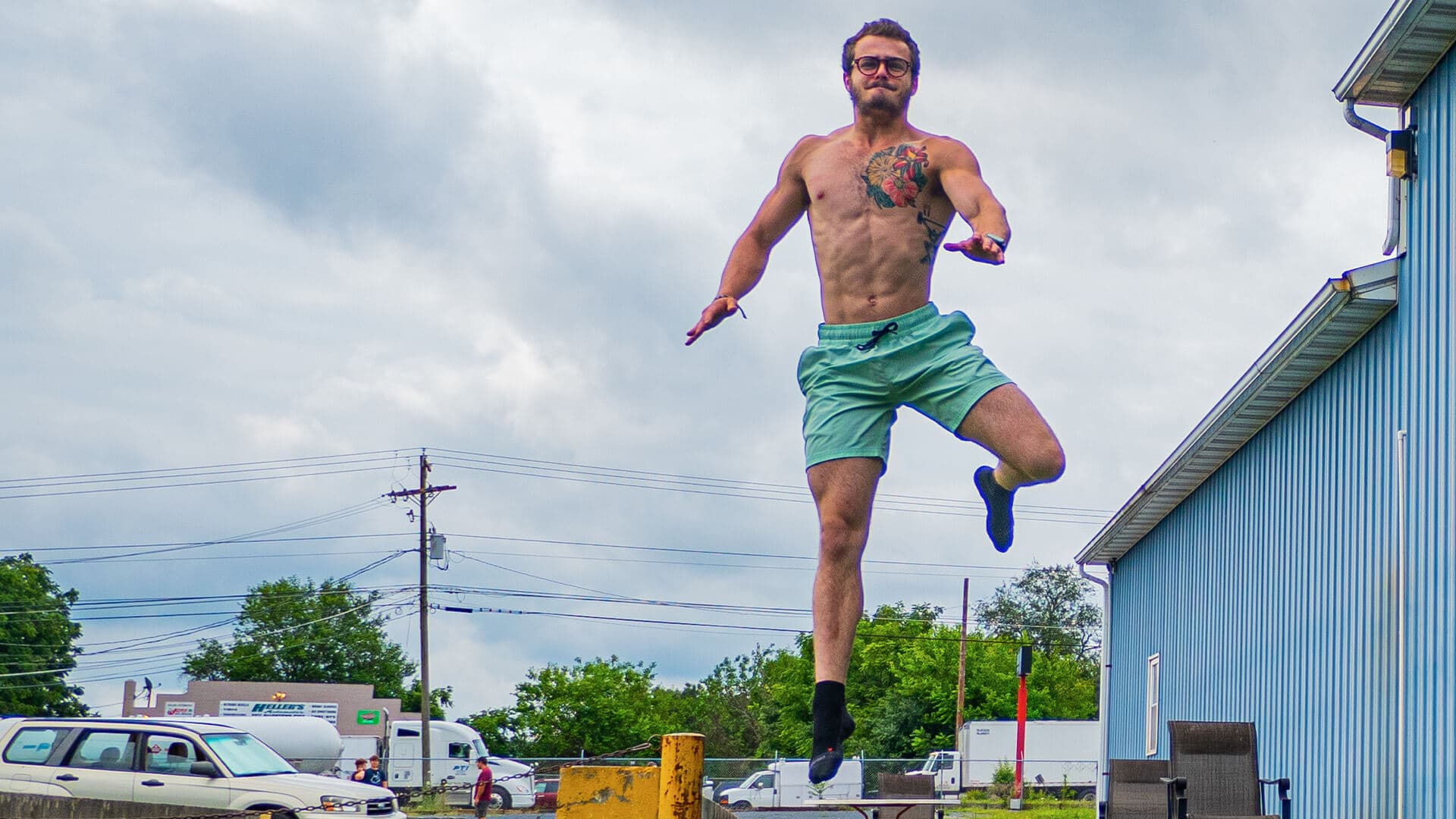
Upper body muscles play their role too. Strong triceps, shoulders, and chest drive explosive movements like pushing, striking, or hand fighting. Whether it’s initiating contact in football or controlling an opponent in wrestling, upper body power matters.
Then there’s the lower body, the base and the foundation of any athlete. A strong posterior chain and impressive quads are responsible for acceleration, top speed, and change of direction. If you want to move fast, jump high, or react quickly, everything starts there.
What Does It Mean to Have an Athletic Physique?
When people think of athletes, they usually picture elite performers. Athletes are fast, explosive, and precise. Whether it’s a sprinter hitting top speed, a basketball player creating space, or a wrestler chaining movements together, you can see the muscles performing in real time.
Lean muscle dominates. That’s because excess body fat works against performance in most cases. This is sometimes described as “wasted mass.” The goal isn’t to be as heavy or as light as possible, it’s to be as efficient and functional as possible.
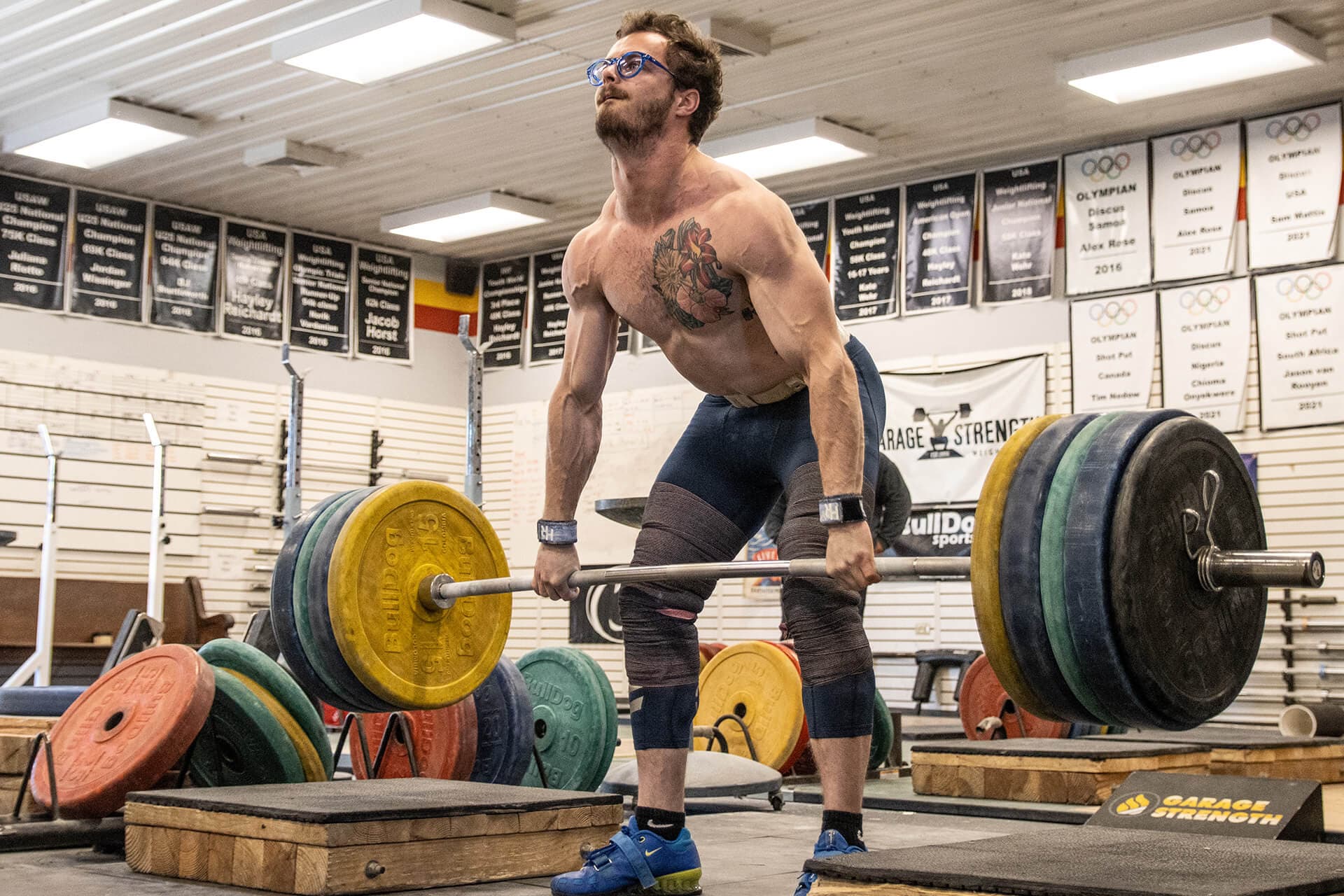
Of course, this looks different depending on the sport. A sprinter may not need as much minimal upper body mass, while a football player may need additional size for contact. But across the board, the most effective physiques are built on lean, functional muscle.
That’s also what separates athletic training from bodybuilding. Bodybuilding focuses on maximizing size and symmetry, often without regard for movement quality. Athletic development, on the other hand, prioritizes strength, speed, and coordination. The physique follows performance. Not the other way around.
People are starting to realize that you don’t need to be a competitive athlete to train this way.
Anyone can build an athletic physique by adopting the same principles. In fact, training like an athlete often leads to better long-term health. Often improving bone density, coordination, and overall movement quality to help keep you physically capable as you age.
Best Training Split for an Athletic Physique - LULU
If you want to build an athletic physique, random workouts won’t cut it. You need structure, progression, and a focus on performance.
A four-day training split is one of the most effective ways to balance strength, power, and muscle development without burning out.
An easy athletic weekly structure to follow looks like this:
Lower Body Strength and Power
Upper Body Strength and Power
Lower Body Speed and Impulse
Upper Body Muscle Development
Lower Body Strength and Power
Lower body training uses the largest muscle groups in the body such as the glutes, quads, and hamstrings, which creates a high overall training stimulus. Heavy compound lifts increase mechanical tension and hormonal response, both of which are key drivers of muscle growth.
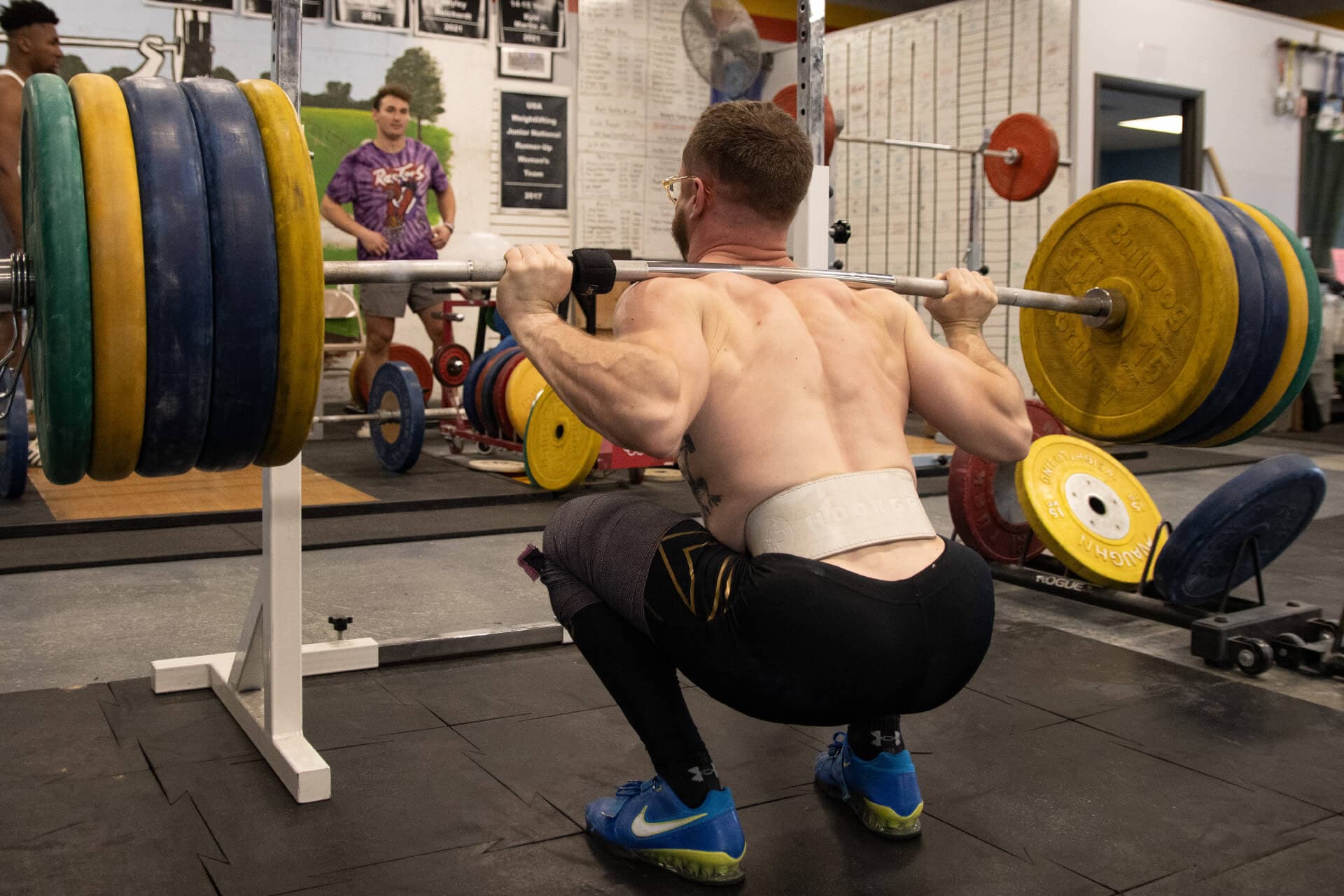
Because the body is freshest early in the week, athletes can train with higher intensity and better technique, leading to greater muscle recruitment and more effective hypertrophy. This type of training builds dense, functional muscle rather than just size, creating a balanced and powerful look.
By prioritizing lower body strength first, you maximize growth in the largest muscles, which contributes most to overall physique changes. This also improves the quality of the rest of the week, allowing upper body and accessory work to be more effective.
Over time, this structure leads to well developed legs, a strong posterior chain, and an overall athletic build that is lean, powerful, and proportionate rather than focused only on isolated muscle groups.
Upper Body Strength and Power
After a demanding lower body day, the nervous system is still primed, but the lower body is fatigued. Shifting focus to the upper body allows athletes to maintain high intensity without interfering with lower body recovery.
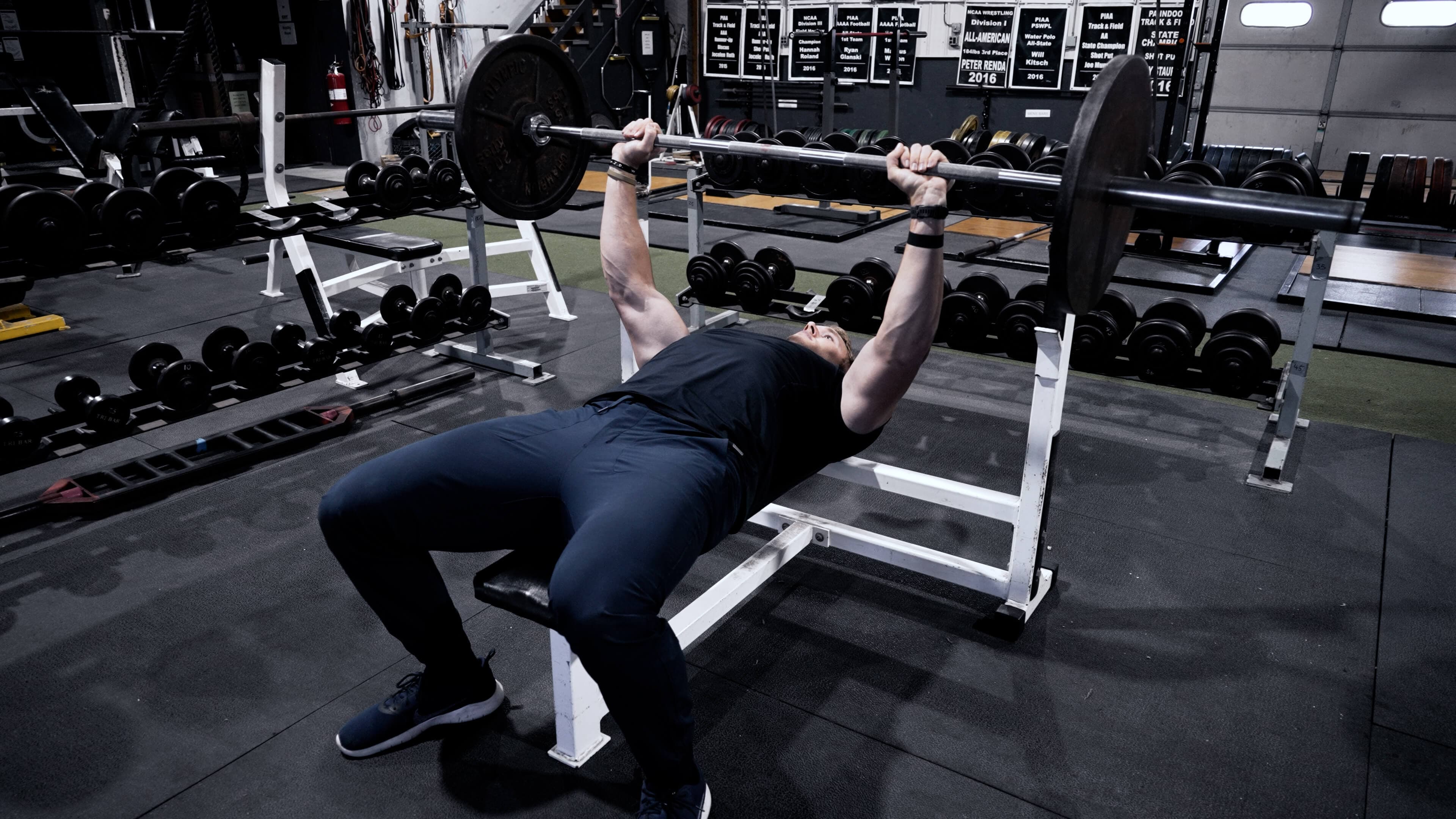
Upper body strength and power training targets the chest, back, shoulders, and arms, improving force production in movements like pressing, pulling, and throwing. Explosive upper body exercises also improve rate of force development, which contributes to both performance and muscle growth. Training these movements early in the week ensures better technique, higher muscle recruitment, and a stronger stimulus for hypertrophy.
.png&w=3840&q=75)
.png&w=3840&q=75)
In practice, this means placing movements like bench press, rows, overhead press, and explosive variations such as push press or med ball throws on the second day. This setup allows the lower body to recover while still training at a high level.
Over time, this approach builds a well-developed upper body that complements lower body strength, creating a balanced, powerful, and athletic physique.
Lower Body Speed and Impulse
By the third training day, the lower body has begun to recover from heavy strength work, but the nervous system is still primed for high-quality movement. Lower body impulse focuses on rate of force development, which is the ability to produce force quickly.
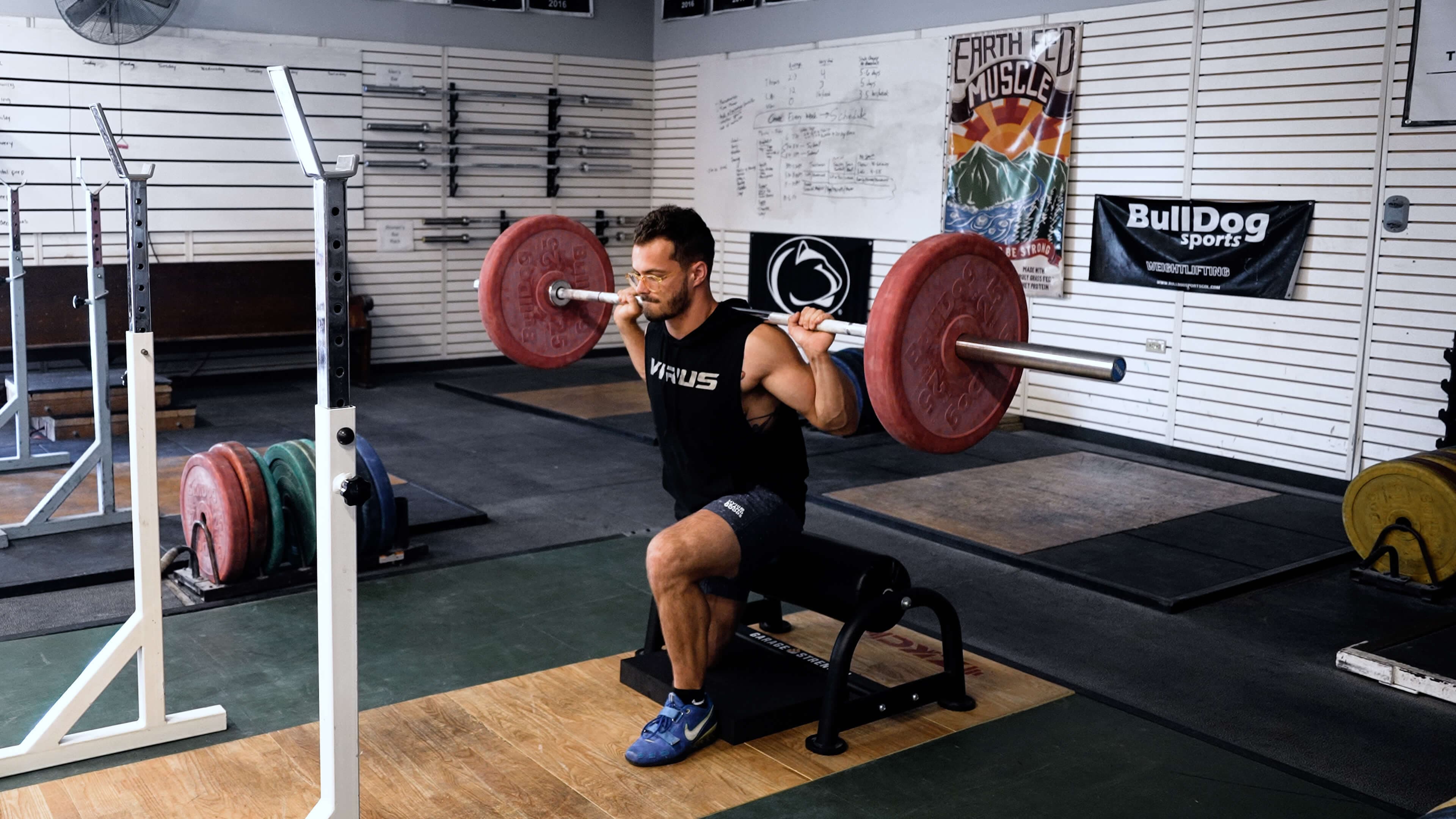
Exercises like jumps, bounds, and Olympic lift variations train the body to apply strength at high speeds. This is critical for athletic performance and also contributes to a lean, explosive physique by emphasizing fast-twitch muscle fibers. Since the loads are typically lighter but movements are faster, athletes can train power without creating the same level of fatigue as heavy lifting.
In practice, this day includes movements like box jumps, broad jumps, power cleans, and snatches performed with speed and precision. The goal is maximal intent and quality, not just load.
Over time, this structure improves explosiveness, enhances movement efficiency, and helps develop a physique that is not only strong, but fast, reactive, and athletic.
Upper Body Muscle Development
By the final training day, the most neurologically demanding work has already been completed. This means training should shift toward hypertrophy, which is driven by high volume, moderate loads, and increased time under tension.
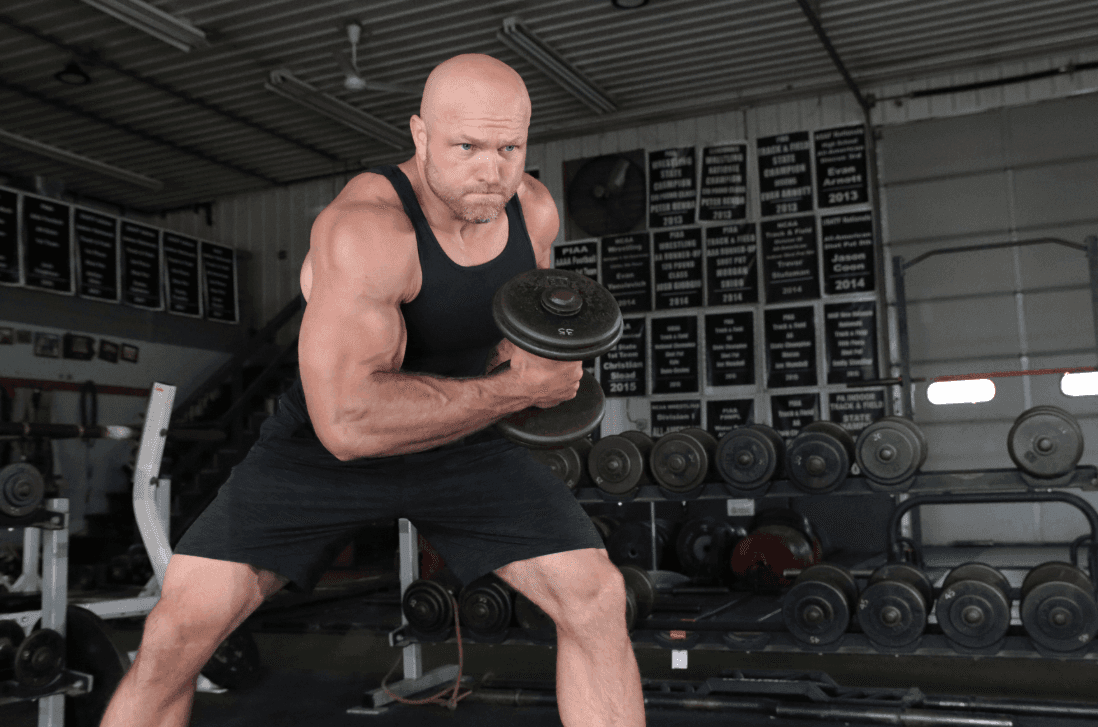
Muscles of the upper body such as the chest, shoulders, back, and arms respond well to this type of stimulus because they can tolerate more volume and recover relatively quickly. This session creates metabolic stress and muscular fatigue, both of which are key for muscle growth. Since the focus is no longer on maximal strength or power, athletes can push closer to muscular failure, increasing the hypertrophy effect without excessive strain on the nervous system.
In practice, this day includes higher rep ranges, controlled tempos, shorter rest periods, and a variety of accessory movements like dumbbell presses, rows, lateral raises, and arm work. The goal is to accumulate as much quality volume as possible.
Over time, this leads to increased muscle size, improved symmetry, and a more filled-out, aesthetic upper body.
Bonus Day: Athlete Day
For those who want to go beyond the basics, adding a dedicated athlete day can make a major difference. This extra session focuses on explosiveness, coordination, force absorption, and unilateral plyometrics.
Adding an athlete-focused fifth day can enhance overall performance, movement quality, and physique by targeting qualities that are often missed in traditional strength and hypertrophy training.
Here is an example of an athlete day inside of Peak Strength:
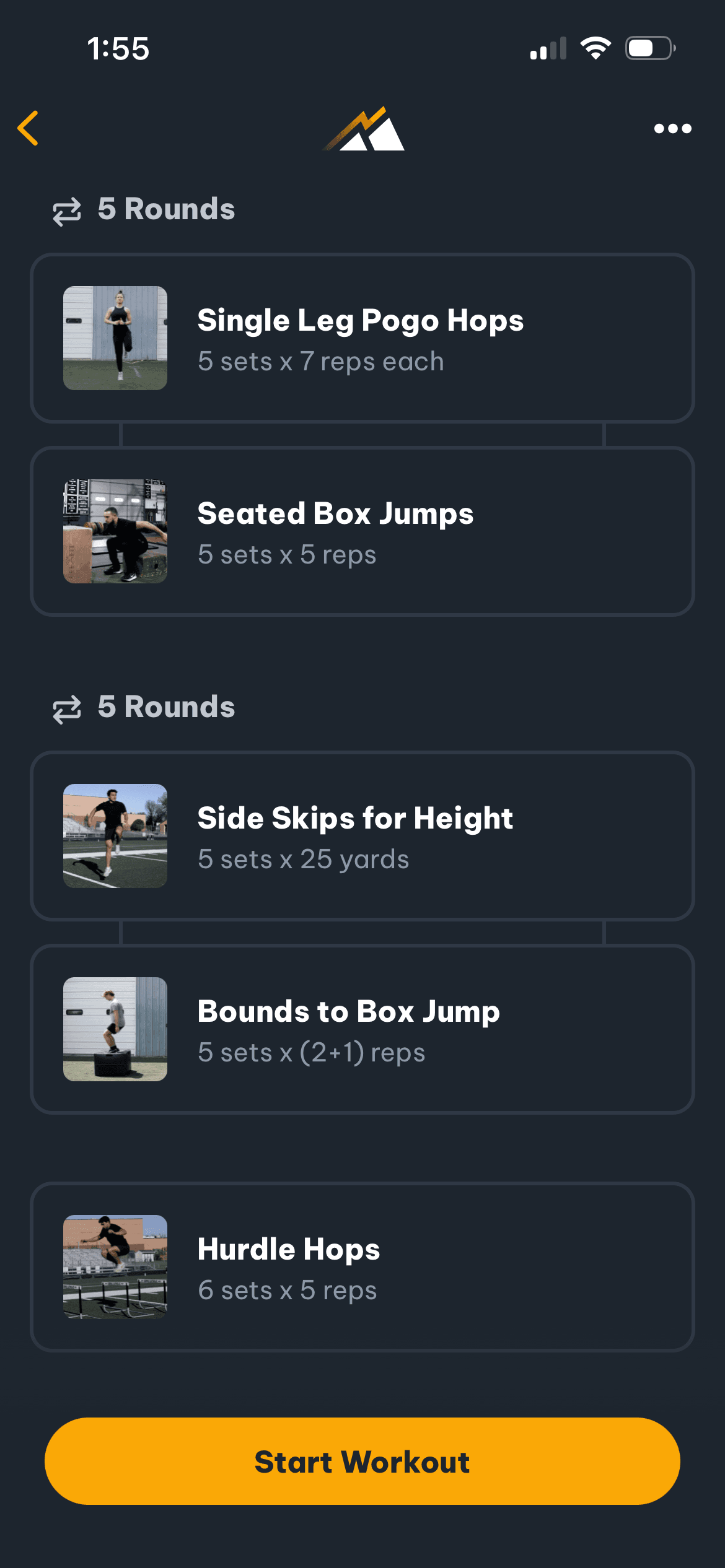
This athlete day focuses on the athlete’s ability to produce force quickly, and absorb force when landing and decelerating. Advanced plyometrics like Gwiz jumps and the Jan jump series teach athletes to move efficiently and coordinate rapidly through linear and rotational movements.
- Explosiveness: This adaptation focuses on the ability to produce force quickly. Exercises like short sprints, jumps, bounds, and medicine ball throws train fast-twitch muscle fibers and improve rate of force development. This not only improves performance but also contributes to a more athletic, reactive physique. The goal is maximal intent with controlled volume to avoid excessive fatigue.
- Coordination: Coordination training improves how efficiently the body moves. This includes more advanced plyometrics like Gwiz jumps, Jan Jump Series, or other jumps that require various planes of movement and reaction. Better coordination leads to smoother, more efficient motion, which enhances both performance and the visual quality of movement.
- Force Absorption: Force absorption focuses on the ability to control and stabilize the body when landing or decelerating. Exercises like depth drops, controlled landings, and deceleration drills train the muscles and joints to handle impact safely. This reduces injury risk and builds strength in stabilizing muscles, which also contributes to a more resilient and well-developed physique.
- Balance: Balance training improves stability and control, especially in single-leg or dynamic positions. Movements like single-leg RDLs, unstable surface work, and controlled holds strengthen smaller stabilizing muscles. This not only supports injury prevention but also improves overall movement efficiency and posture.
The Bottom Line to an Athletic Physique
An athletic physique isn’t built by focusing on one quality alone. It’s the result of combining multiple elements:
Strength to generate maximal force
Power to express that force quickly
Coordination to move efficiently and functionally
Hypertrophy to support performance and durability
When these elements come together, the result is a body that not only looks strong but performs at a high level.
An athletic physique is earned through purposeful training. It’s built by focusing on movement, performance, and consistency over time.
You don’t need elite genetics or a competitive background to achieve it. You just need the right approach and training that develops strength, builds explosive power, and adds lean muscle without sacrificing mobility.
Training plans inside Peak Strength provide personalized athletic-style workouts specifically for your goals. Start training for your goals for free below.
Ivan Escott
Ivan is a national-level Olympic weightlifter and performance coach at Garage Strength Sports Performance.