How Many Reps and Sets Should Athletes Do When Strength Training?
by Ivan Escott
Sep 9, 2026
•8 minutes
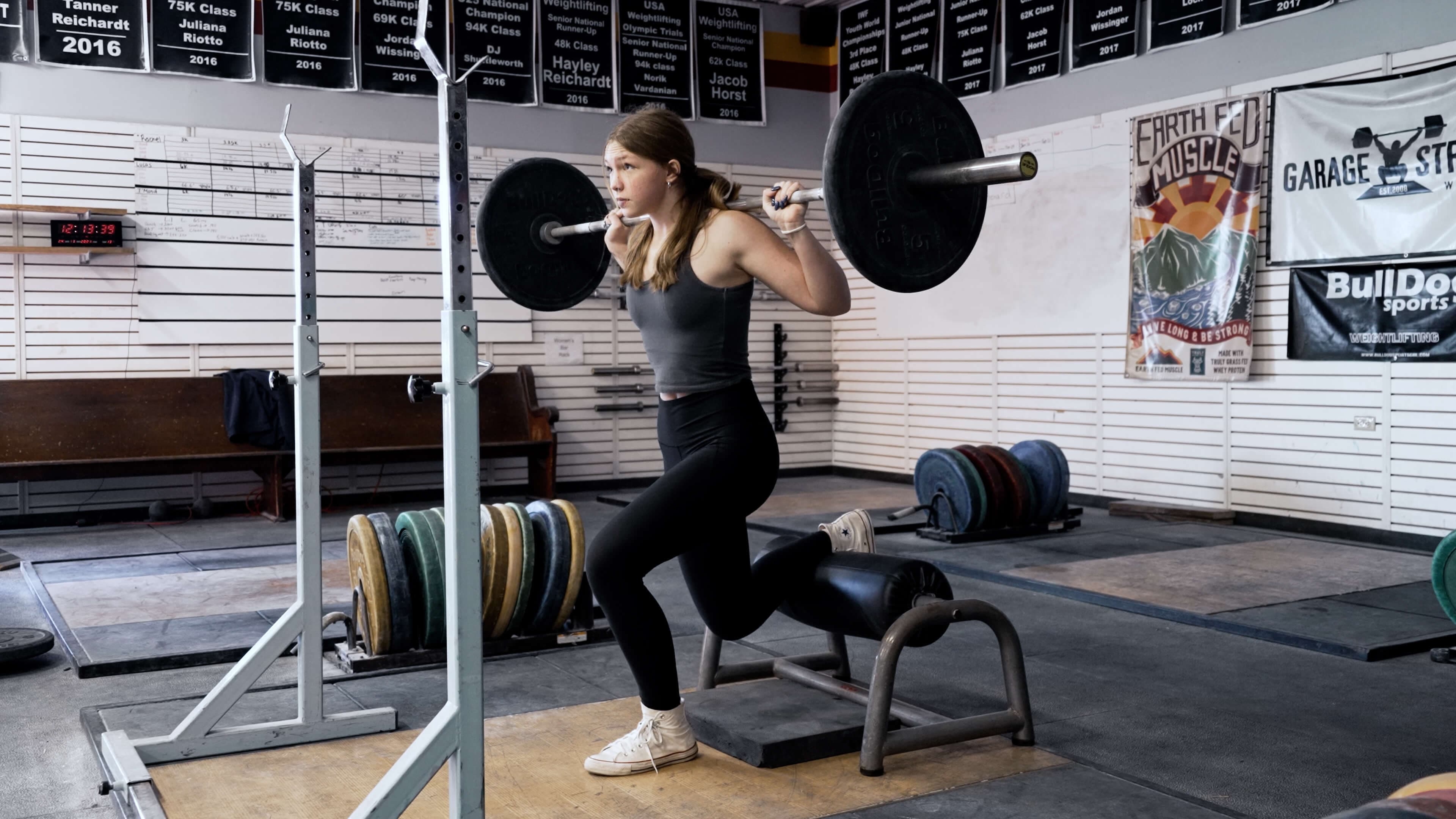
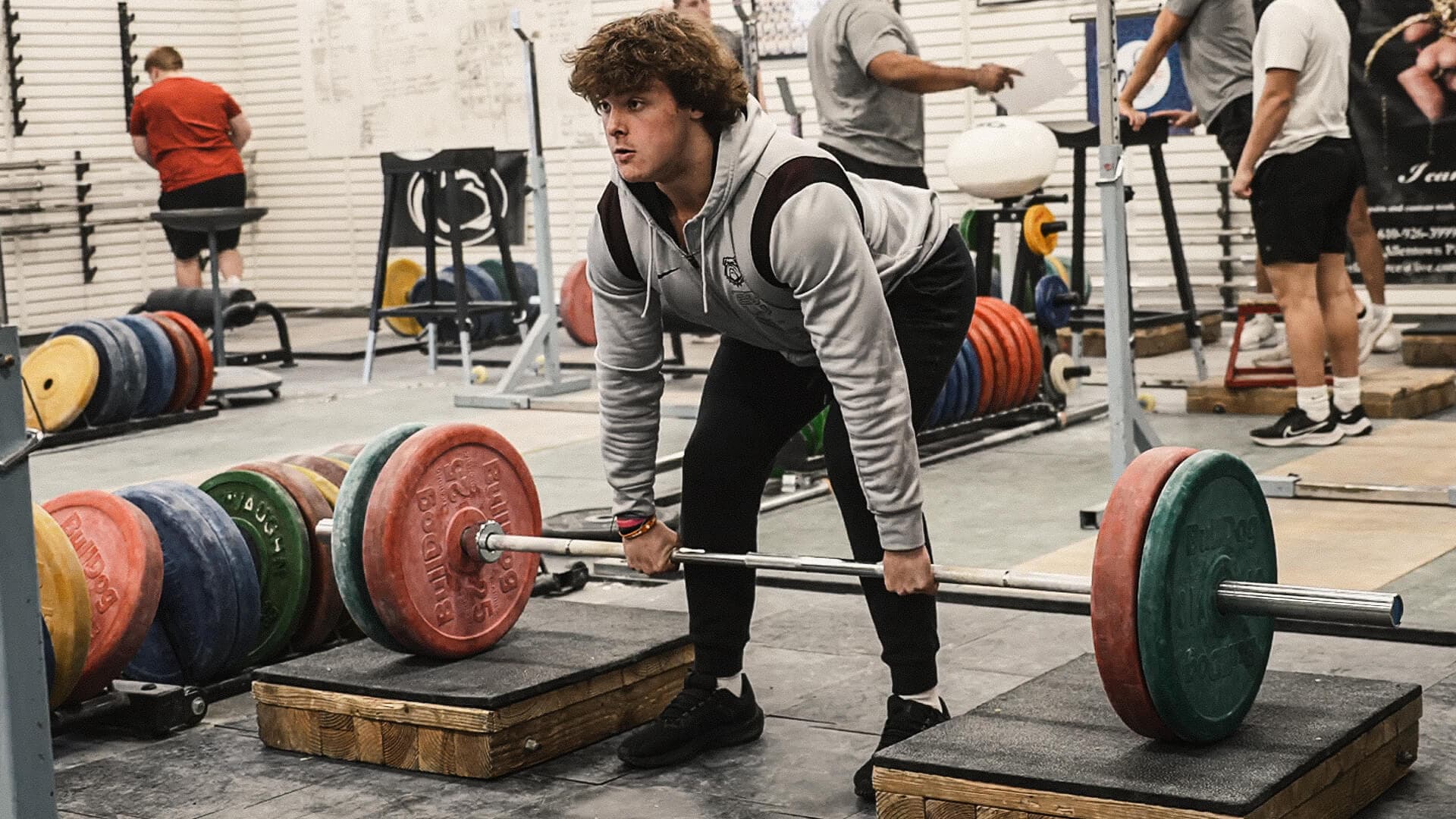
When athletes start strength training, one of the most common questions is deceptively simple: How many reps and sets should I do?
Essentially understanding the total training volume they need for their specific goals.
There is no single rep range or set scheme that works for every athlete, exercise, or training phase. Strength training for athletes should be designed around the desired adaptations, the athlete's experience level, the movement being performed, and the phase of training they are in.
.png&w=3840&q=75)
.png&w=3840&q=75)
For athletes, understanding sets and reps is essential for building effective programs. It drives intentional training and buy-in from athletes.
Whether the goal is improving maximal strength, building muscle, developing power, improving movement quality, or increasing strength endurance, the number of reps and sets you perform matters.
Our team at Peak Strength is going to break it down.
Why Reps Matter in Athletic Strength Training
Every strength-training session is like a brick that helps build a house. The number of reps performed influences training intensity, total volume, fatigue, and the type of adaptation the athlete is trying to produce.
That doesn't mean a particular rep range has only one possible benefit.
For example, lower-rep/heavy weight training is commonly associated with maximal strength, while moderate and higher rep ranges are often associated with hypertrophy and muscular endurance.
In practice, athletes will develop different adaptations based on the rep ranges, prescribed intensity, and intent of execution.
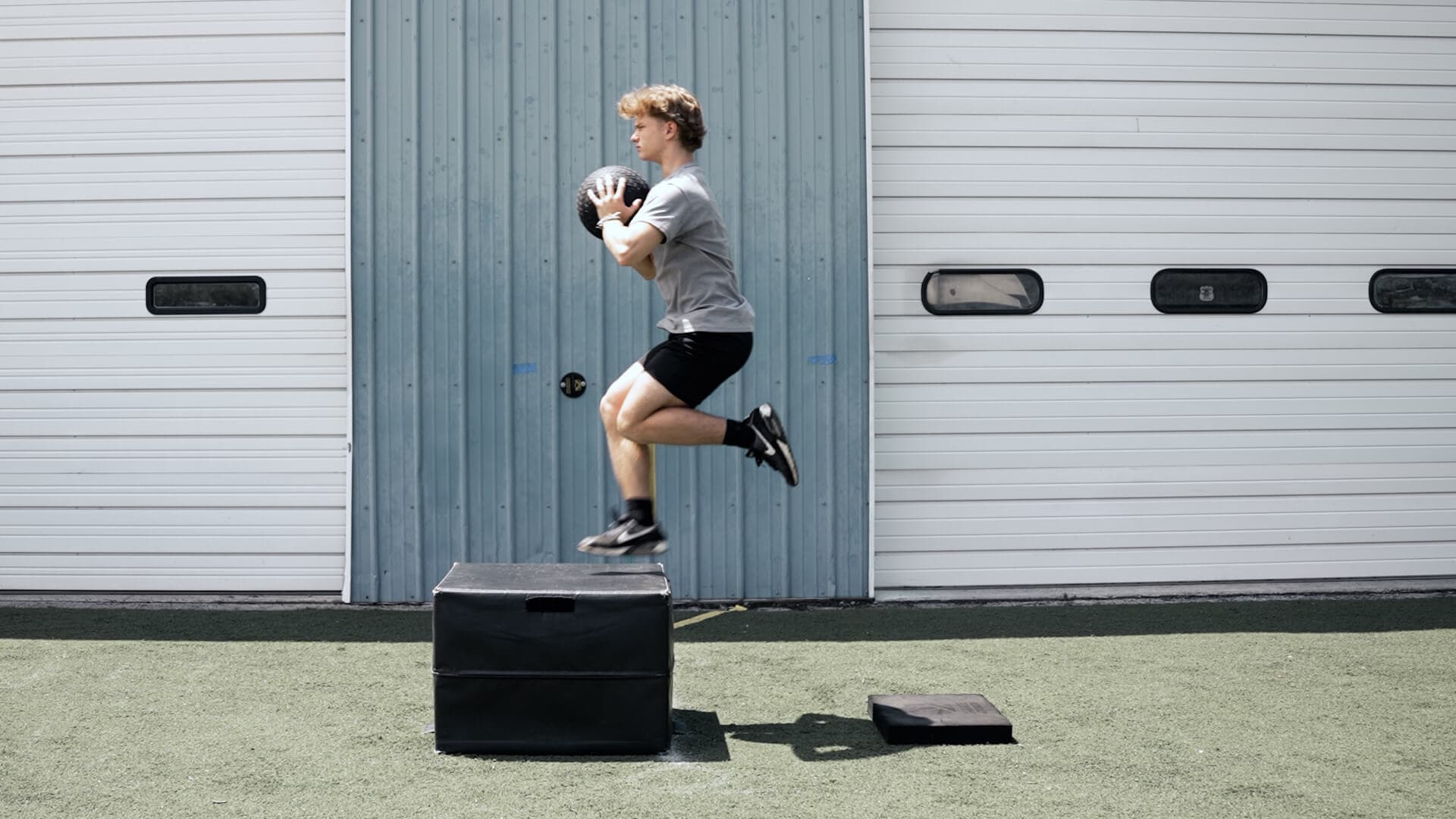
The key is understanding how to use different rep ranges within an athletic strength program.
For many athletes, the goal isn't simply to become as big or as strong as possible. Strength needs to transfer to sport performance. That means coaches have to consider power, coordination, movement quality, fatigue, and the athlete's competitive schedule.
The Myth of the “Best Rep Range”
There is no such thing as a “best rep range” for athletic development.
Rep ranges are a tool in a tool box. It must be paired with sets, intensity, and exercise selection to make sense.
You need to find the best combination for the adaptation you want to develop. Are you looking to develop maximal strength? Explosiveness? Speed? Muscle mass?
Different rep ranges help with different goals.
How Many Sets Should Athletes Do?
Once you determine the appropriate rep range, the next question is how many sets to perform. Again, there isn't one universal answer.
A useful way to think about sets is that they provide the volume needed to create an adaptation while allowing the athlete to maintain appropriate intensity and movement quality.
For example:
Power or technical movement: 5–8 sets of 1–3 reps
Maximal strength movement: 3–7 sets of 2-5 reps
Accessory strength exercise: 3–5 sets of 4-10 reps
Muscular endurance or targeted accessory work: 2–5 sets of 8–17+ reps
These aren't rigid rules. They're starting points that can be adjusted based on the athlete's training age, sport, recovery, exercise selection, and current phase of training.
A more advanced athlete may tolerate considerably more volume than a beginner. An athlete in the middle of a demanding competition schedule may need substantially less.
Which Rep Ranges should Athletes Use?
1–3 Reps: Max Strength & Explosive Training
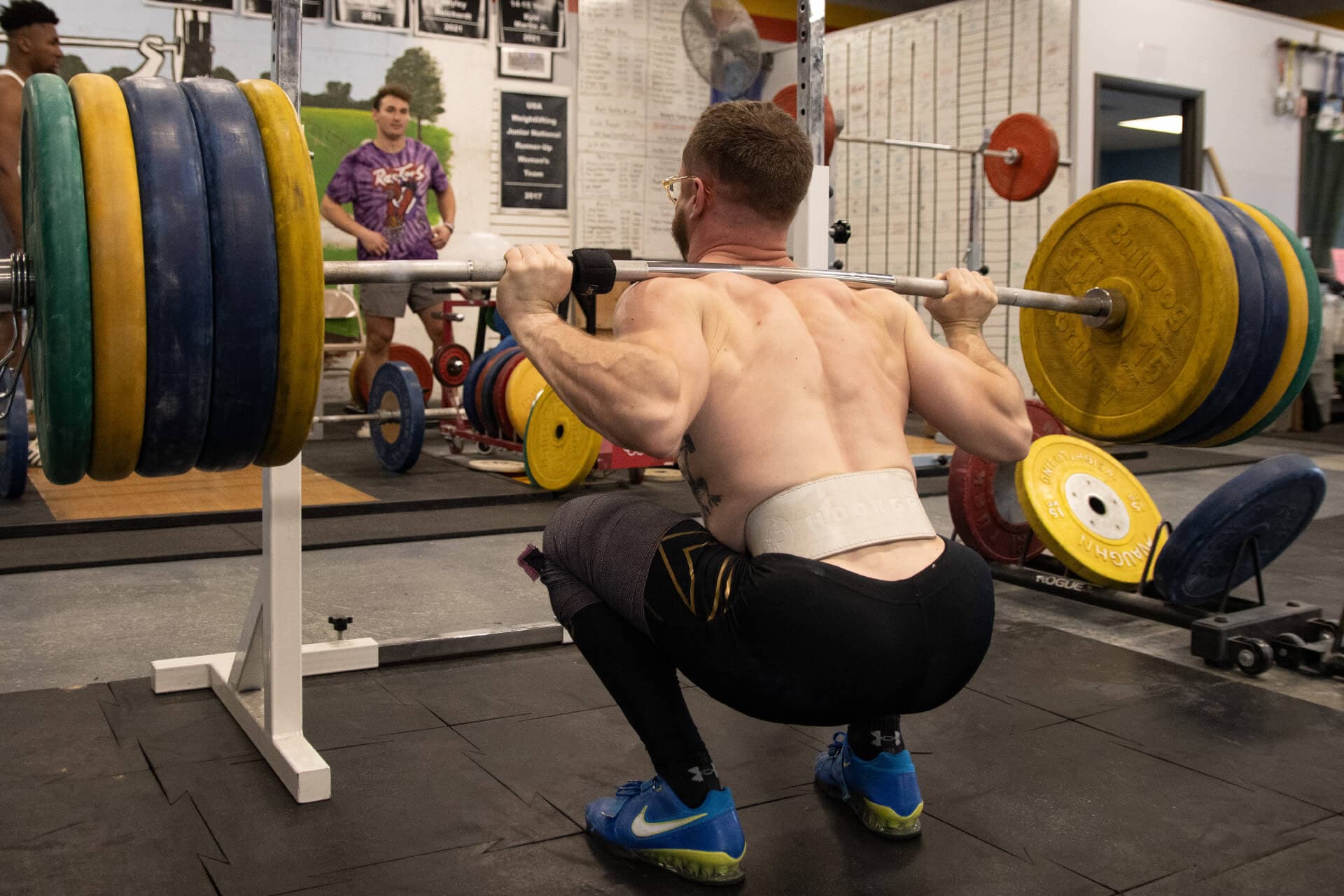
The 1–3 rep range is commonly used when the primary objective is producing maximal force.
Working with low repetitions allows athletes to use heavier loads while keeping the total number of repetitions relatively low. This can be useful for developing the neurological and coordination components of strength and explosiveness.
For experienced athletes, low-rep work can be incorporated into exercises such as squats, power cleans, presses, and other major strength movements.
This rep range can also be valuable for technical movements where generating peak force is more important than accumulating large amounts of fatigue.
However, heavy doesn't automatically mean better.
Athletes shouldn't spend every training session attempting maximum or near-maximum loads. Lower-rep training works best when it is strategically incorporated into a larger program.
3–5 Reps: Speed and Strength Development
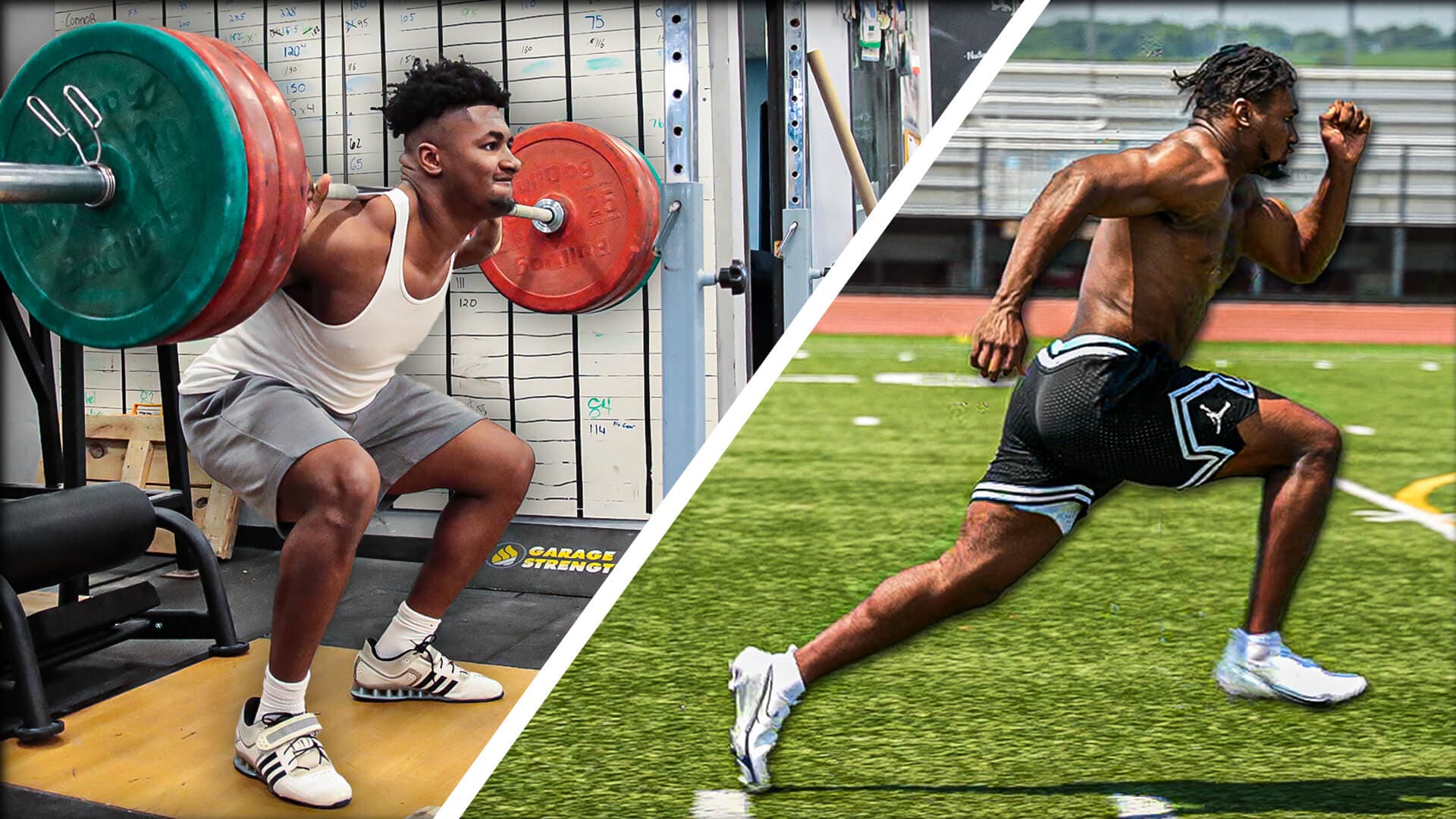
The 3–5 rep range is one of the most useful tools in athletic strength training.
It provides a balance between intensity and volume. Athletes can train with moderate to heavy weight to drive strength adaptations or focus on lighter faster res to help train fast twitch adaptations.
For example, a coach could program:
Squat: 5 × 5
Clean: 4 X 3
Bench press: 5/4/3/5/4/3
Single leg squat: 3 X 5/5
The exercises, loads, and number of sets can change depending on the athlete, but the underlying principle remains the same: use working sets to stimulate adaptation without allowing fatigue to compromise performance.
This is one reason the 3–5 rep range can fit so well into athletic strength programs.
5-7 Reps: Foundational Strength
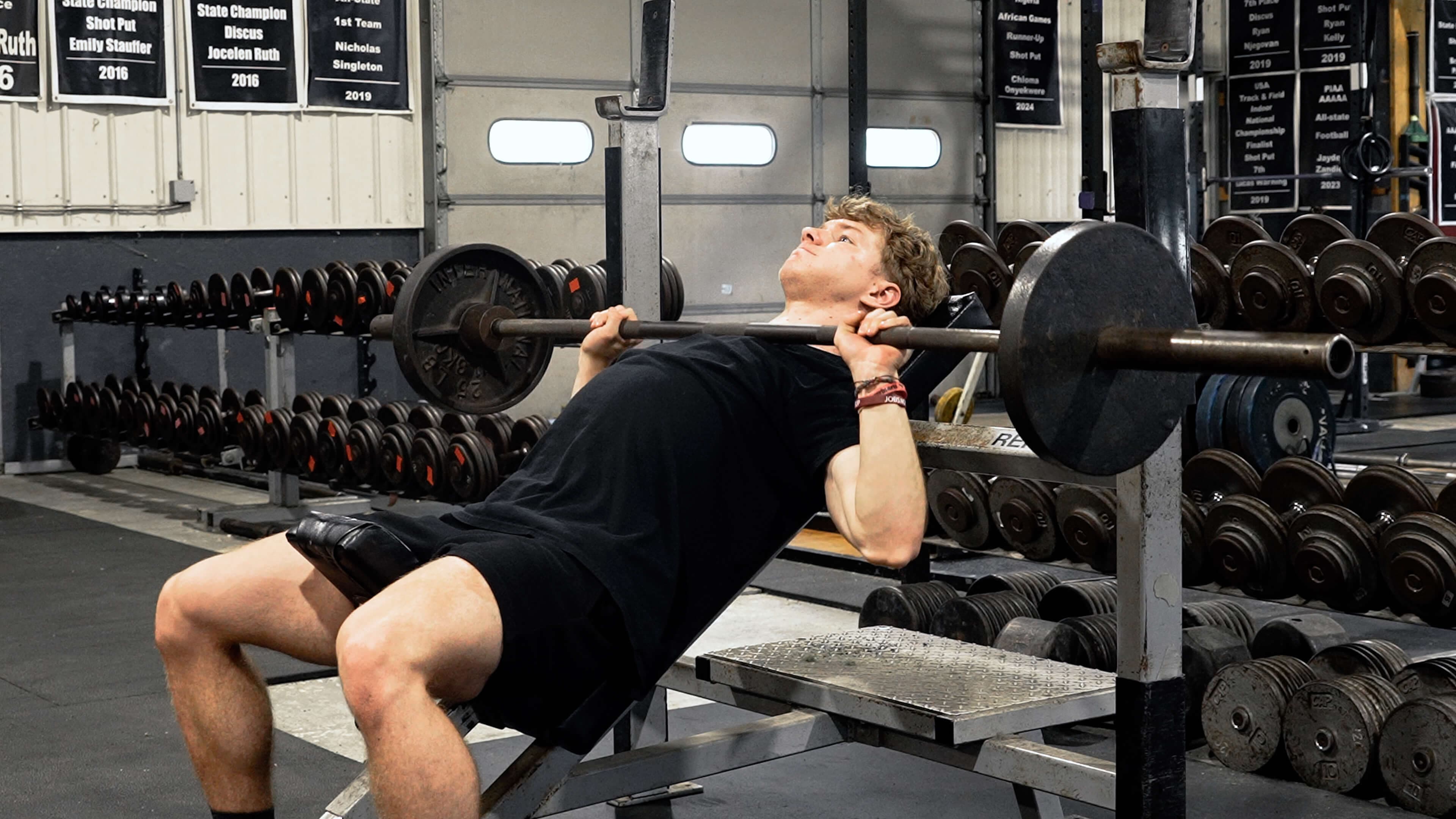
Moving into the 5-7 rep range gives athletes a little more volume per set while maintaining relatively moderate intensity.
This range can be effective for developing foundational strength and supporting muscle growth in less experienced athletes.
For athletes who need more muscle mass to improve their performance, moderate-repetition strength work can be particularly useful. Building stronger muscles can provide a foundation for producing force.
This rep range can be used for compound strength movements such as bench press, squats, or single leg squat. It can also start to be used for accessory exercise to target weaknesses.
7–10 Reps: Drop Sets and Early Phases
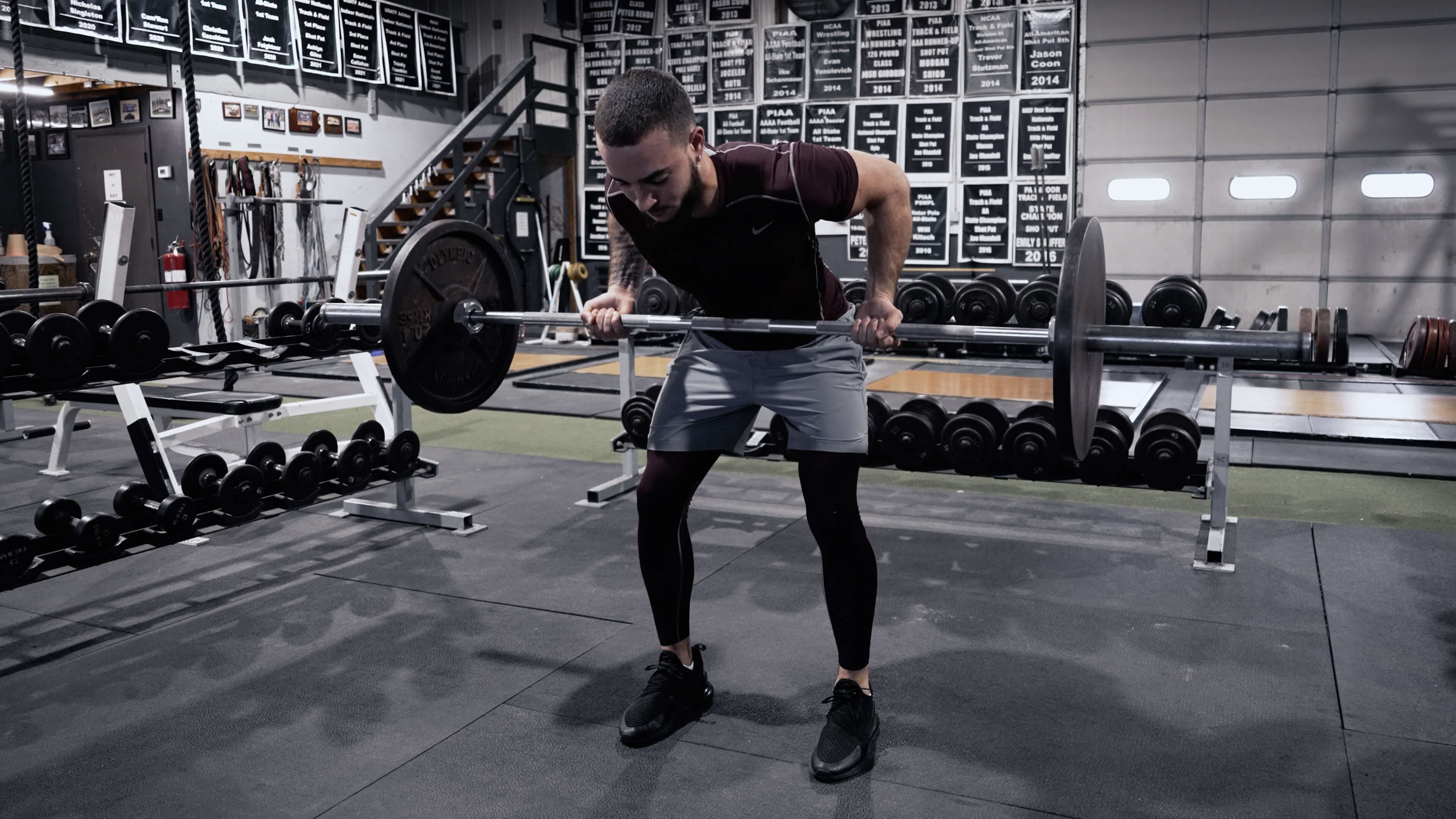
The 7–10 rep range is often categorized as hypertrophy training.
While building muscle is certainly a major reason to use this range, athletes shouldn't assume that moderate-rep training has no value for strength.
Athletes can still improve strength while working in higher rep ranges, particularly when the exercise is appropriately selected and the athlete is progressing over time.
For compound movements, 7-10 reps should be used as part of drop sets or in early phases of training to expose an athlete to a new training cycle. Especially in the offseason or 12-16 weeks out from a peak date.
This range can also be useful for accessory exercises that support the primary lifts.
Examples include:
Rows
Split squats
Pull-ups
Dumbbell pressing
Hamstring exercises
Unilateral strength exercises
Bize and Trize
For coaches, this is where exercise selection becomes important. Not every exercise needs to be performed with extremely heavy weight to contribute to athletic development.
10–12+ Reps: Accessory Work and Bodybuilding
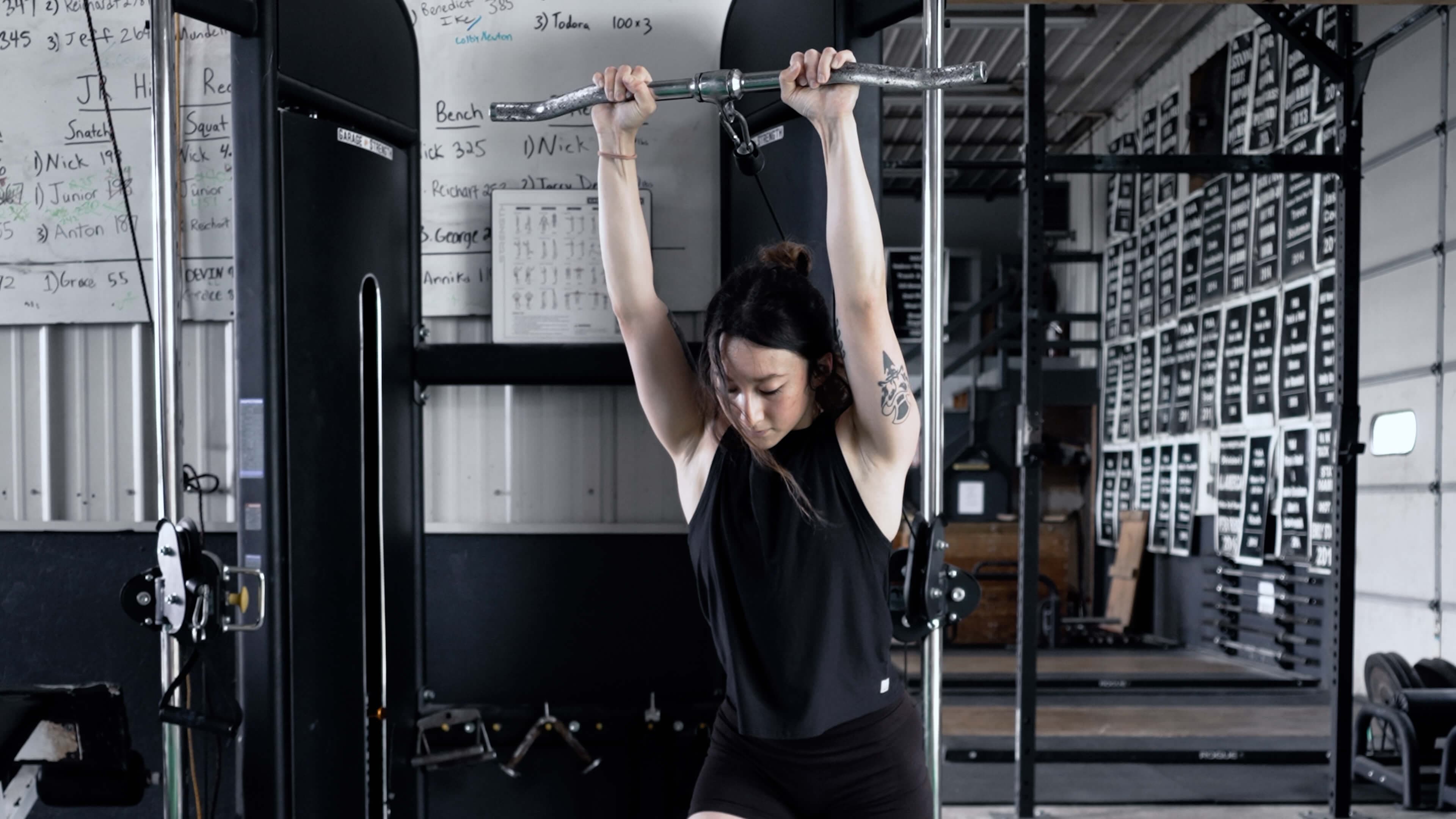
Finally, high volume sets can and should have a place in an athlete's program.
Sets of 10–12 or more reps can increase local muscular endurance and provide additional training volume without requiring extremely heavy loads.
This can be useful for accessory exercises, smaller muscle groups, and movements where using maximal loads isn't necessary.
Some athletes may even benefit from sets extending beyond 12 repetitions depending on the exercise and objective.
This rep range is especially useful for sarcoplasmic hypertrophy, developing mental resilience, and even helping with managing inflammation through increased blood flow to promote recovery.
Using Different Rep Schemes Throughout a Training Program
Athletes don't have to stay in one rep range year-round.
Effective strength programs often manipulate sets, reps, intensity, and exercise selection throughout different phases of training.
A coach might use higher volumes earlier in a training cycle before gradually increasing intensity and reducing repetitions as competition approaches.
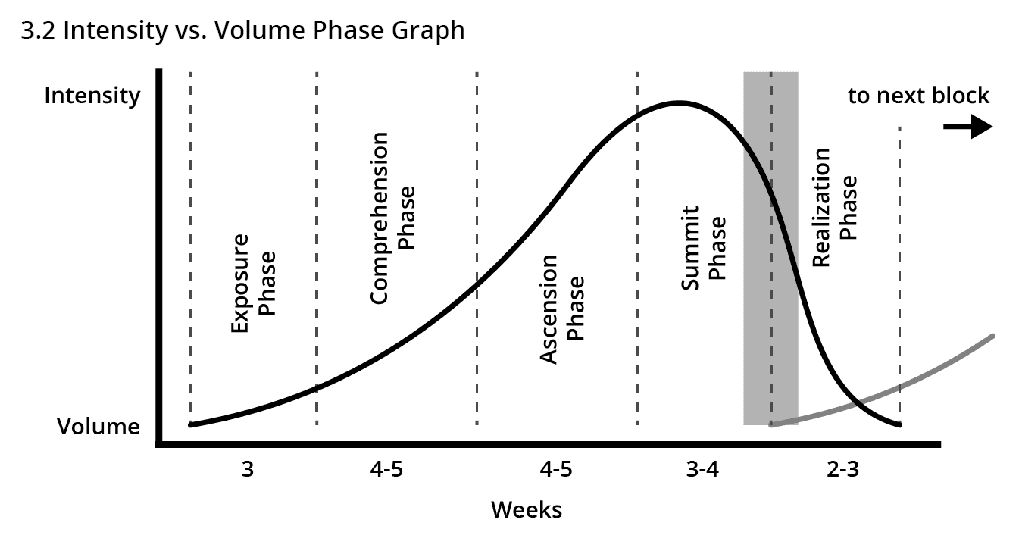
For example:
- Exposure Phase: High Volume
- Comprehension Phase: High Volume
- Ascension Phase: Moderate Volume
- Summit Phase: Low Volume
- Realization Phase: Low Volume
The exact structure will vary based on the sport and athlete. A football player, wrestler, weightlifter, sprinter, and baseball player won’t have identical strength programs.
That's why context matters more than simply following a universal rep chart.
How To Program Sets and Reps More Effectively
You have to consider much more than an athlete's one-rep max when building a strength program.
Important factors include:
Training age
Sport and position
Competitive schedule
Current training phase
Exercise selection
Recovery capacity
Injury history
Practice workload
Desired adaptation
Total weekly training volume
This is where organized programming becomes extremely valuable.
Instead of guessing at sets and reps every time an athlete enters the weight room, coaches can build a structured plan that accounts for progression and training demands.
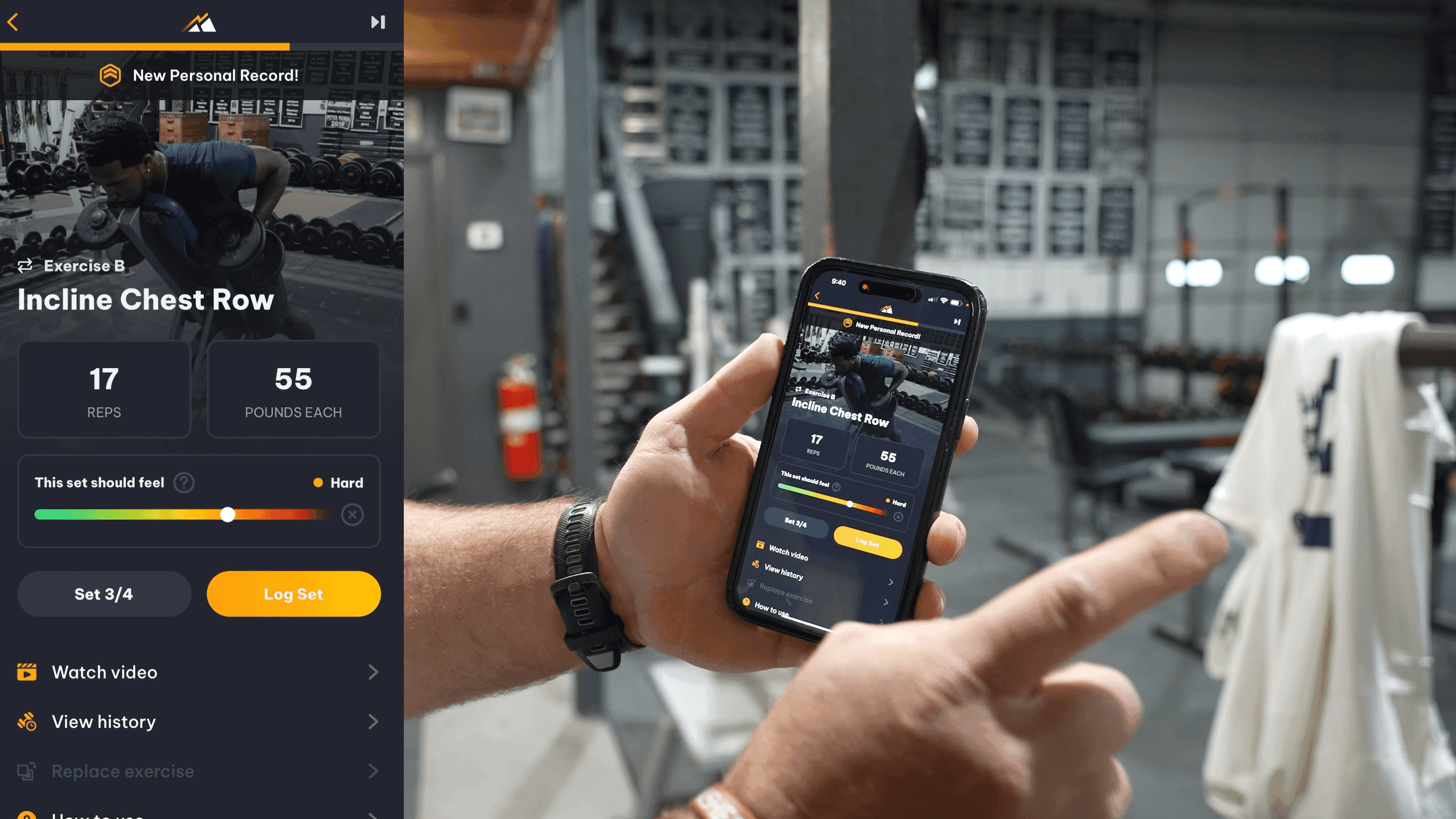
The Peak Strength app can help coaches organize and manage strength programming while giving athletes a clear plan to follow. Rather than wondering what exercise comes next or how many sets to complete, athletes can follow a structured program built around their training goals.
Bottom Line
Using a single rep scheme isn’t going to give you the progress you want. Using multiple rep schemes with the correct load are going to help you be best prepared for your sport.
Using different rep schemes for strength, explosiveness, speed, hypertrophy, and endurance help cover all the bases of preparing your strength training.
If you don’t want to have to worry about how many reps to do for your sport or goal, Peak Strength provides dedicated reps, sets, and weight recommendations for you. Start your free trial and commit to a training plan that is built around you.
Ivan Escott
Ivan is a national-level Olympic weightlifter and performance coach at Garage Strength Sports Performance.