5 Mistakes Strength Coaches Make Training Athletes (And How to Avoid Them)
by Ivan Escott
Aug 11, 2026
•13 minutes
Great strength coaches do more than write workouts and count reps. They are responsible for improving athletic performance, reducing injury risk, developing movement quality, and helping athletes consistently progress over time.
However, becoming an effective strength coach takes experience. Even knowledgeable coaches can fall into common traps that limit their athletes’ development. Whether you are working with youth athletes, collegiate competitors, or professional performers, avoiding these mistakes can make your coaching more effective and your training programs more successful.
Our team at Peak Strength has put together a list of five common mistakes strength coaches make when training athletes and what to do instead.
Let’s break down the 5 most common mistakes that strength coaches make when training their athletes.
Mistake #1: Using too much “Sport-specific” Exercise Selection
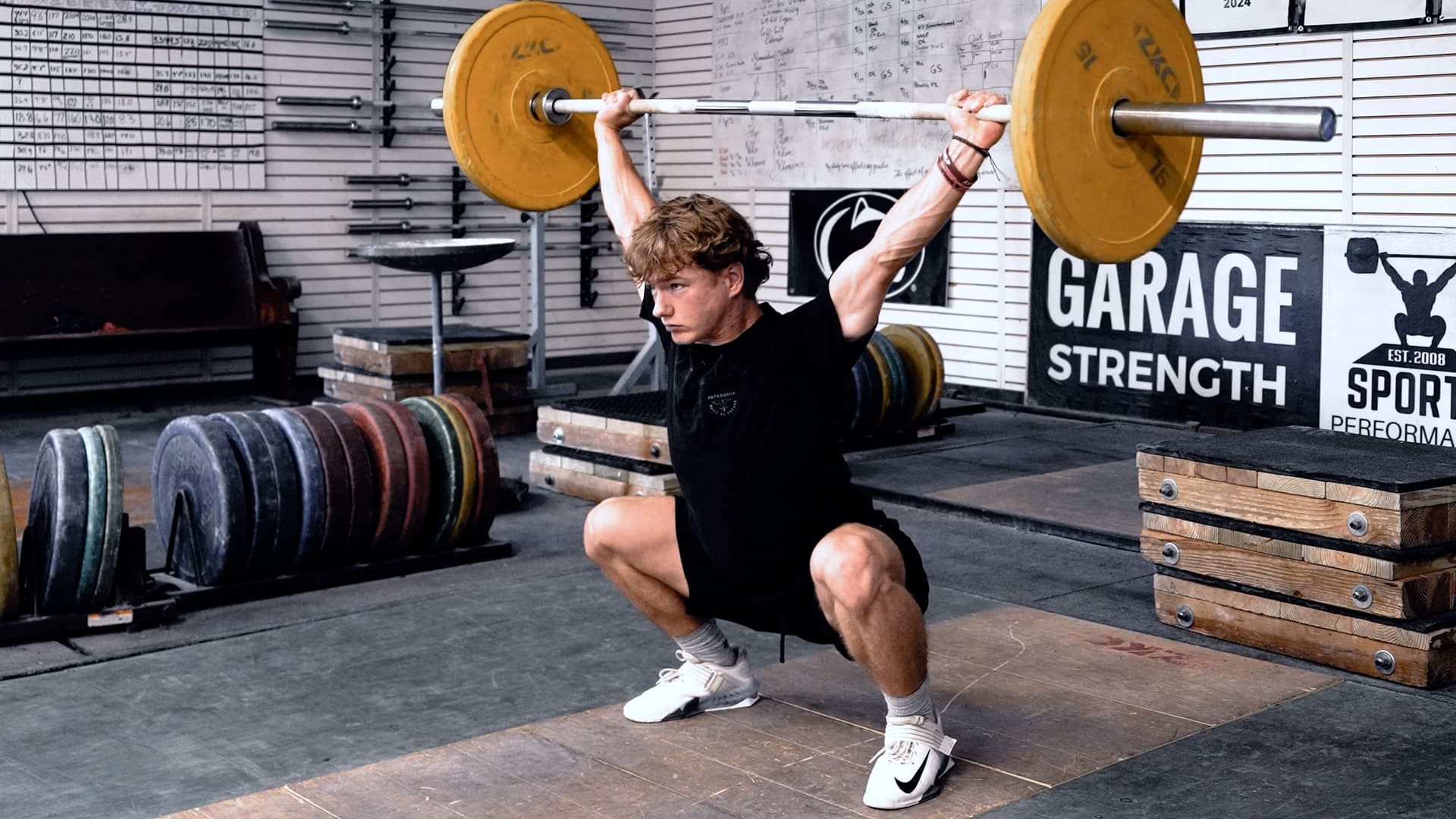
One of the biggest mistakes we see strength coaches make is trying to make the weight room look like the sport. They'll throw an athlete on a BOSU ball doing some rotational cable chop, or a single-leg band-resisted lateral bound, because "that's what the movement looks like" in their sport instead of just teaching them how to squat, bench, and clean.
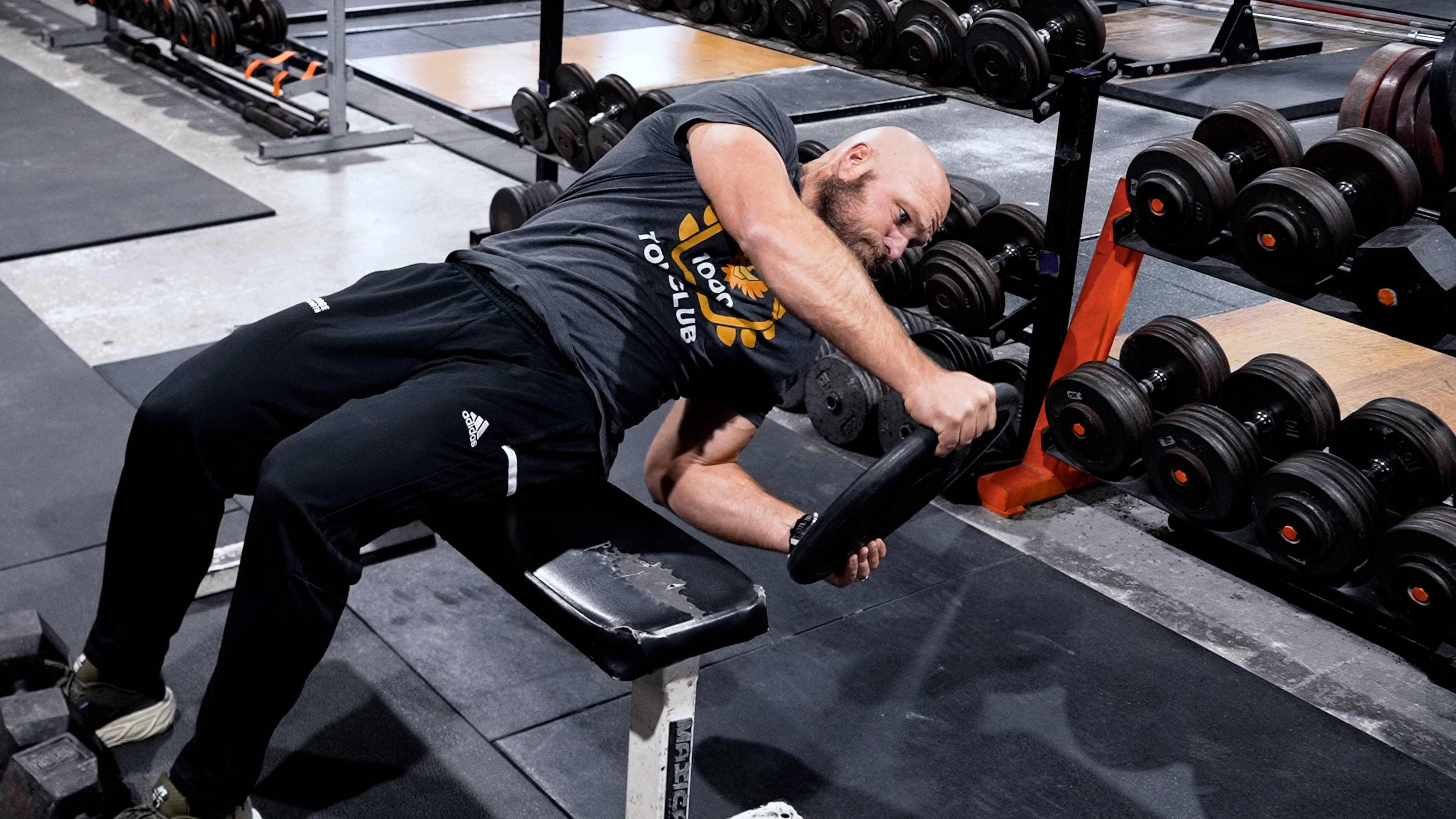
Here's the truth: the weight room isn't the primary place to train sports skills. Skill gets built on the field, on the mat, in the ring and through actual reps in the athlete's discipline. The weight room is where you build the raw qualities like strength, power, rate of force development, explosiveness. The adaptations that let athletes express their skill better when it counts.
You can't load a cable chop heavy enough to build real strength. You can load a squat. You can load a clean and teach an athlete how to fire their hips, knees, and ankles together. The goal is to refine the same pattern underneath every jump, sprint, and throw in sport. Skip that foundation, and all the sport-specific work in the world sits on sand.
Get the foundation built first. Get strong. Get explosive. Get technically sound in the big lifts. Fancy, sport-specific work can be beneficial, as accessory work,, not as a substitute for getting strong in the first place.
What to Do Instead
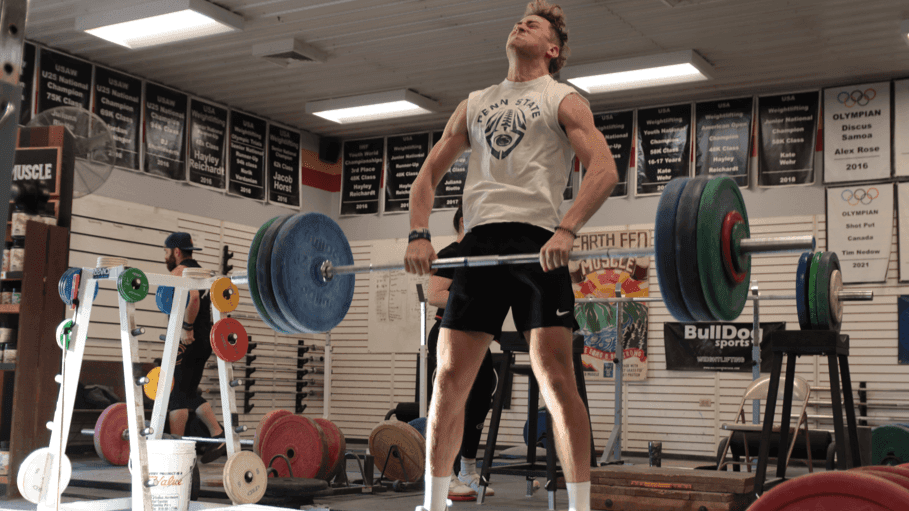
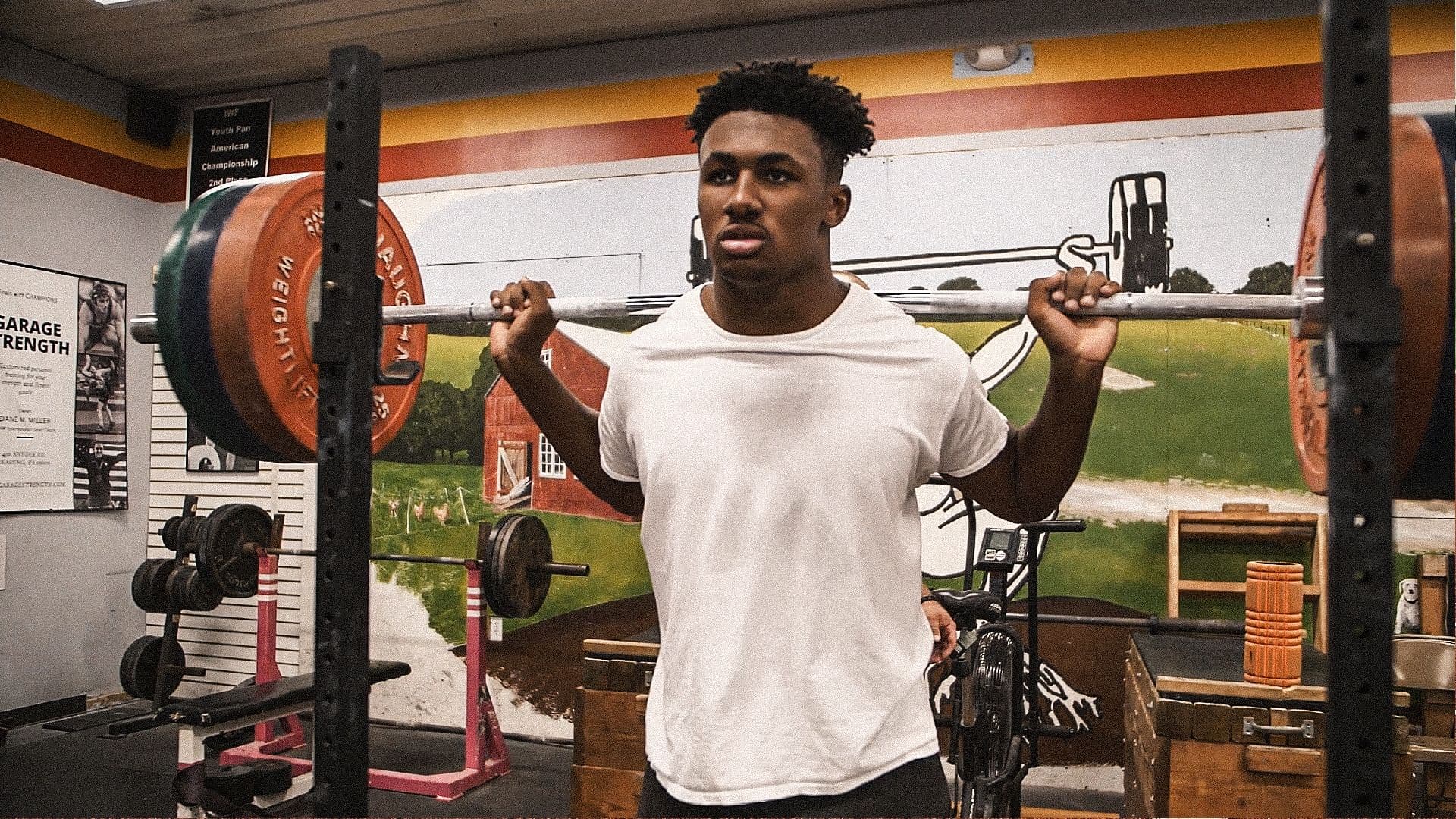
Build your programming around the squat, bench press, clean, and other primary testing exercises as the backbone. Prioritize technical proficiency first, then progressively overload as the athlete earns it. Use simple, honest metrics: are the numbers going up? Is technique getting cleaner? That's how you know the base is being built.
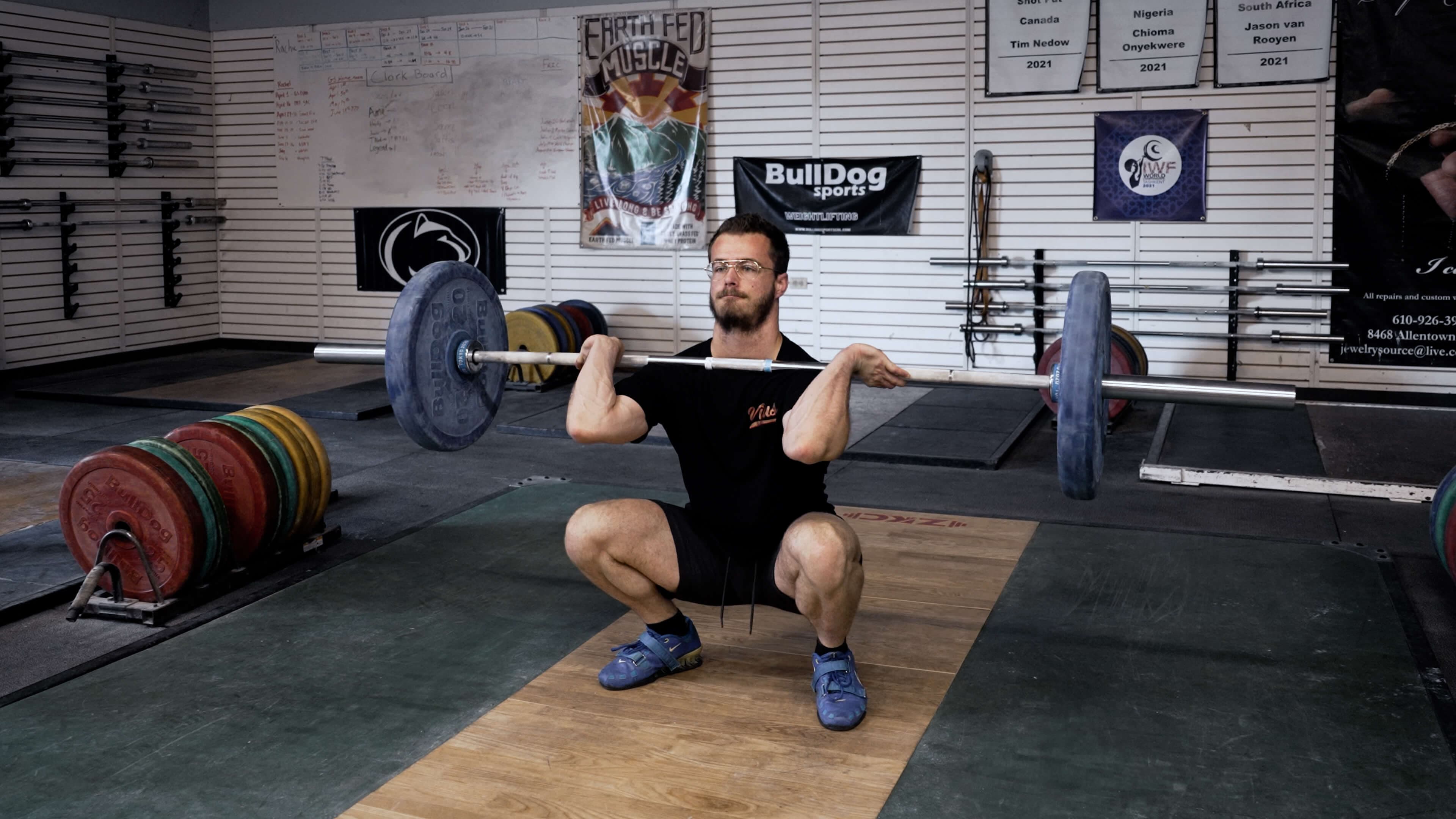
Once that foundation is solid, layer in variations that bridge toward the sport. Box squats for change of direction, push presses for overhead power, clean pulls for explosiveness. Keep movements rooted in the same big patterns.
Save the gimmicks. If a movement can't be loaded heavy or doesn't build a transferable quality, it doesn't deserve prime real estate in the program. Strength and explosiveness first. Specificity is best reserved for athletes with 1-2 years of foundational training when dynamic trunk control is established through compound movements. This is when additional rotational accessories and more complex plyometrics have value beyond looking cool on Instagram and TikTok.
Mistake #2: Focusing Only on the Program and Not the Athlete
A coach builds a beautiful periodized program, sets, reps, percentages all mapped out for twelve weeks, and then runs every athlete through it exactly the same way. It looks organized. It looks professional. But it's not coaching. It's just filling out a spreadsheet.
Two kids can do the exact same program and one will walk out stronger and more explosive, while the other burns out, gets beat up, or plateaus. Part of that difference is physiological, but a huge part of it is personality.
How an athlete thinks about training, how they handle stress, how much structure or freedom they need mentally, all of that shapes how their body responds to the same program. If you're only looking at sets and reps and ignoring the person doing them, you're not really coaching. You're administering a template.
What to Do Instead
This is where Athlete Reactive Analysis comes in. This breaks athletes down into three broad response types, and each one carries its own physical tendencies and its own personality profile.
Type 1 athletes: tend to respond best to higher volume. Physically, they need more total work and more repeated exposure to a movement before adaptation shows up. Personality-wise, these athletes are usually grinders. They're patient, they don't need constant novelty, and they actually find comfort in repetition and clear, structured progressions. Give a Type 1 athlete too much variety or too many curveballs and they get unsettled. They want to see the work pile up.
Type 2 athletes: sit in the middle, responding well to a balanced mix of volume and intensity, adapting steadily without needing extremes in either direction. These athletes tend to be the most social and their environment plays a big role in their performance. They may have a hard time managing stress and it is important that they are heard so they can move forward with training. As a coach, you may need to pick up on key details they express to help dictate their training in the day-to-day, but also the macro perspective.
Type 3 athletes: are typically your neurologically dominant, fast-twitch responders. They adapt fast off lower volume and higher intensity, and if you overload them with too much volume, they flatten out and regress, physically and mentally. Personality-wise, these athletes tend to be more impatient, more feel-driven, and they need to see quick wins to stay bought in. Bury a Type 3 athlete in high-volume, low-intensity work and they don't just stall physically, they check out mentally. They need intensity and variety to stay engaged.
If you don't know which type of athlete you're coaching, both physically and personality-wise, you're guessing. And guessing isn't a program. It's a gamble with someone else's development.
Mistake #3: Overcoaching and Too Many Cues
This mistake usually comes from a good place. A coach cares, they see ten things wrong with a lift, and they want to fix all ten right now. So the athlete walks up to the bar and gets hit with, "Chest up, brace your core, drive your knees out, keep your weight back, chin neutral, elbows tight," all before they've even taken their first rep.
The athlete's brain locks up. Instead of executing one clean movement, they're trying to consciously micromanage six different body parts at once, and the lift falls apart, not because they're incapable, but because you just gave them too much to process.
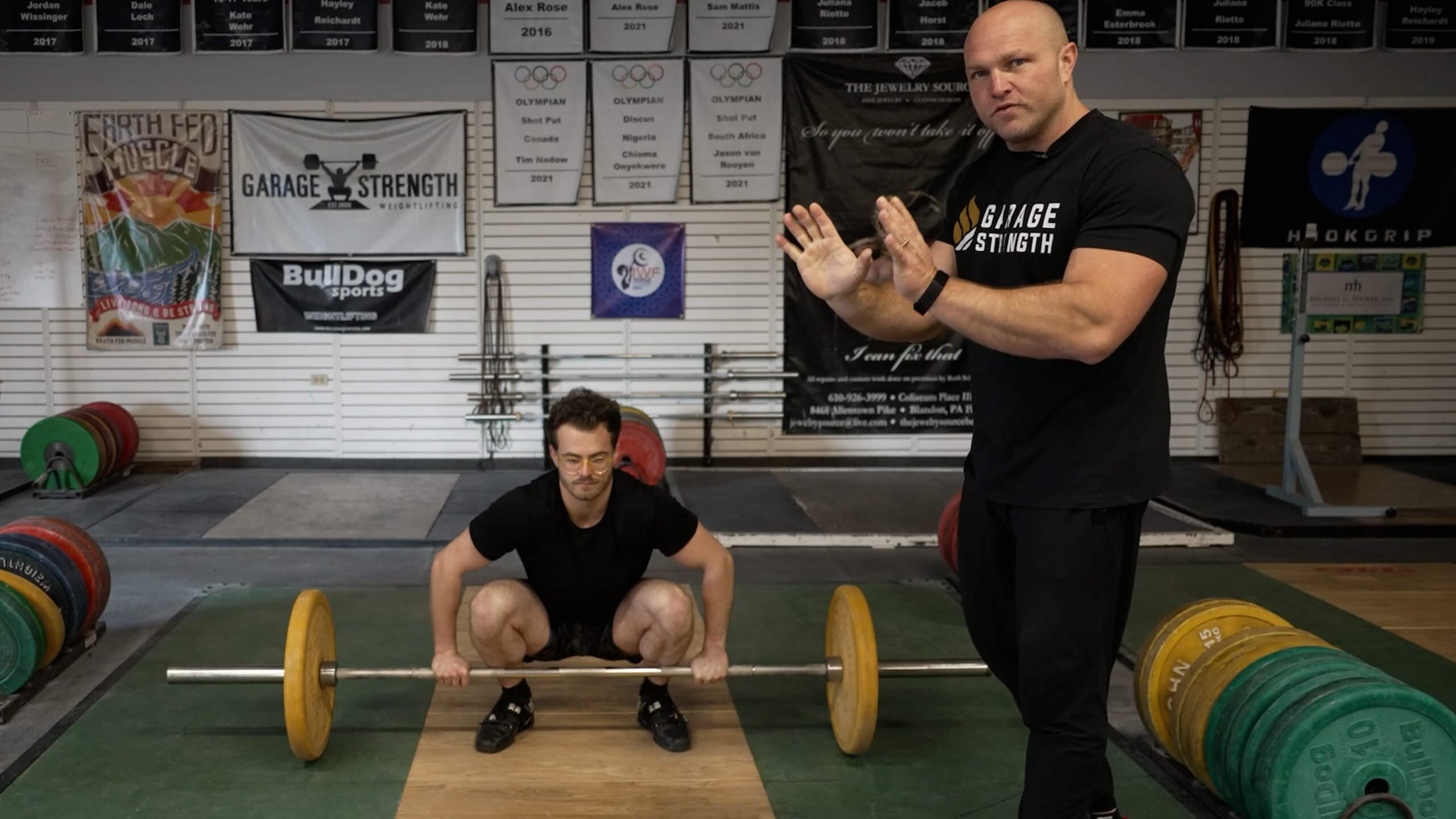
More cues does not mean better coaching. In fact, it's usually the opposite. The nervous system can only handle so much conscious input before movement quality actually gets worse. Overcoaching kills athleticism. It turns what should be an instinctive, powerful movement into a hesitant, overthought mess.
You’re also eroding confidence. If an athlete feels like they can never do a rep without getting corrected on five different things, they stop trusting their own body, and they start looking to you for approval on every single rep instead of learning to self-correct.
What to Do Instead
.png&w=3840&q=75)
.png&w=3840&q=75)
The best cues are simple, specific, and actionable, focusing on the most important aspects of the movement. Coaches should generally limit the number of cues they provide at one time and prioritize what will have the greatest impact on performance. External cues, internal cues, demonstrations, and visual feedback can all be valuable depending on how an athlete learns.
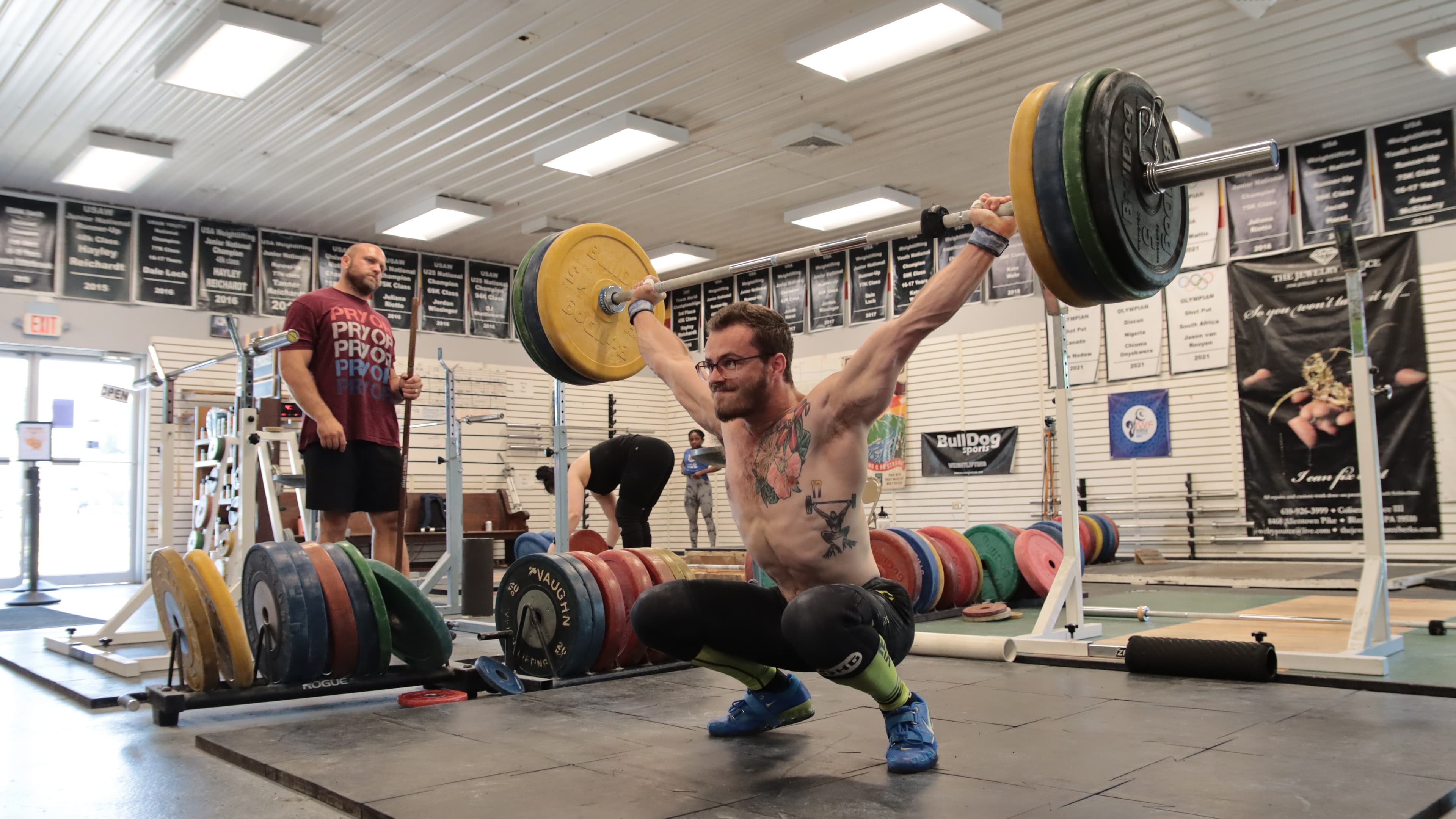
Chunking is another effective strategy for teaching complex movements. Instead of asking an athlete to master an entire exercise at once, coaches can divide the movement into smaller phases and teach each component individually. For example, a power clean can be broken into the setup, first pull, second pull, and catch. Once the athlete understands each phase, the coach can gradually combine them into the complete movement. This approach reduces cognitive overload and allows athletes to develop confidence and consistency.
Coaches should also use analogies and relatable comparisons when they can make a difficult concept easier to understand. As athletes improve, coaching should gradually shift from providing constant instruction toward encouraging athletes to recognize and correct their own mistakes.
Ultimately, effective cueing is about quality rather than quantity. Coaches should demonstrate movements, provide a few meaningful cues, allow athletes to practice, and offer targeted feedback. The goal is to help athletes develop movement awareness and independence so they can eventually understand what they are doing, identify errors, and make adjustments without relying entirely on the coach.
Mistake #4: Not Enough Intensity In-season
This mistake costs teams more than they realize. An athlete grinds through an entire offseason, builds real strength in the squat, bench, and clean, hits new numbers, gets faster, gets more explosive, and then the season starts.
Suddenly the strength program turns into circuits with limited time, bodyweight movements, and "maintenance" work with barely any load on the bar. The thinking is usually, "They're tired, they're playing games and practicing, they need to recover, let's back off the weights.
That thinking is wrong, and it undoes months of hard work.
Strength and power are not qualities you build once and keep automatically. They decay. If you drop intensity too far during the season, you're not protecting the athlete, you're actively letting them get weaker and less explosive right when the competition matters most.
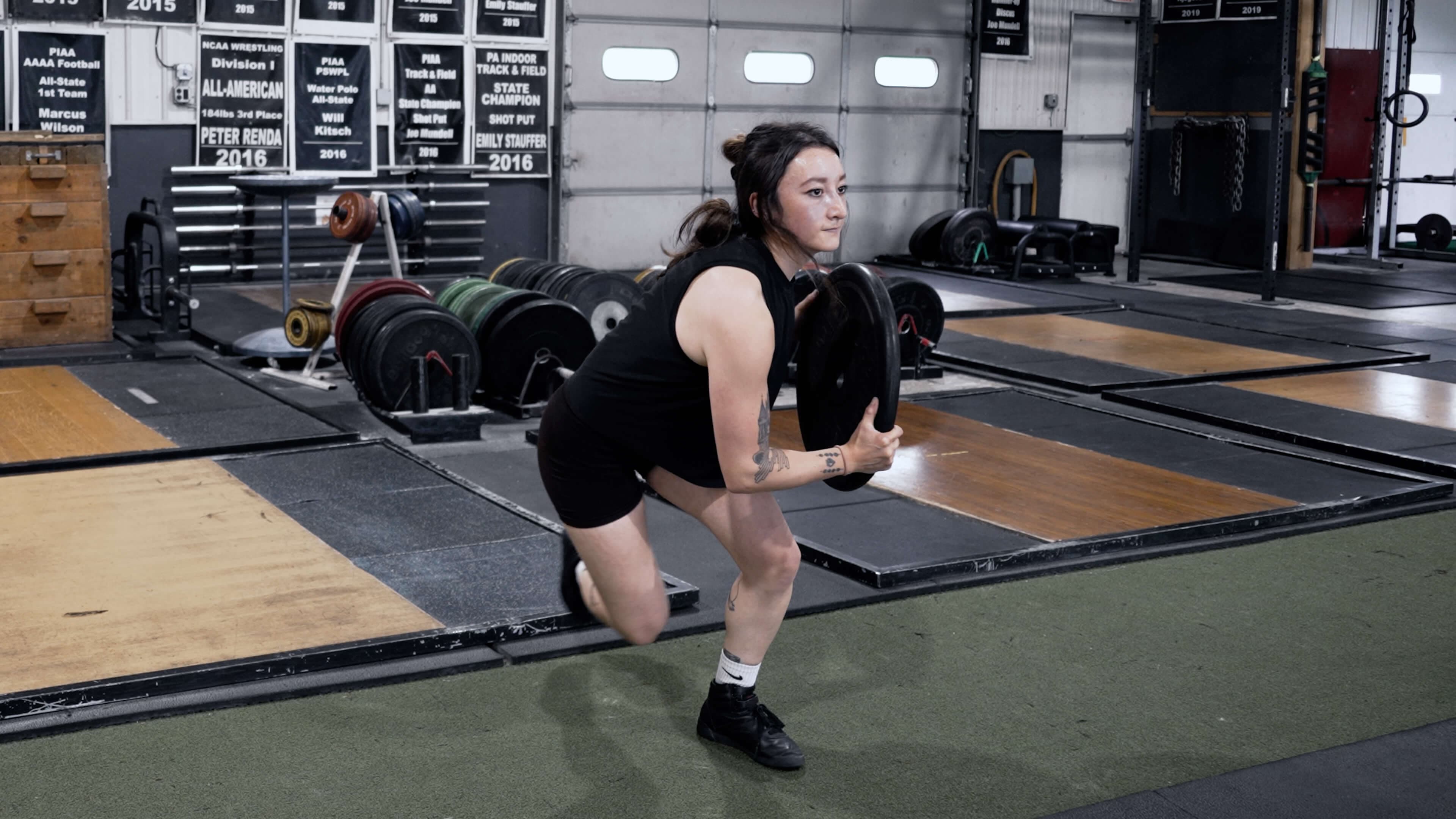
Every year, we see athletes show up to the offseason having lost a huge chunk of the strength they built just months earlier, all because the inseason program was too watered down to maintain it. That's a wasted offseason. All that hard work, undone by a coach who was scared to put a real bar on their back during the season.
What to Do Instead
During the season, training frequency should stay in the range of 2 to 4 days per week, and where you land in that range depends entirely on the competition schedule. A team playing one game a week with a lighter practice load can handle 3 to 4 lifting sessions. A team in the middle of a brutal tournament stretch or playing multiple games in a short window might only get 2 quality sessions in. That's fine.
The competition schedule and importance of competitions dictate the frequency.
But here's the part coaches get backwards: even when frequency drops, intensity should stay relatively high. You're not doing five sets of twelve on everything anymore, you don't have the recovery capacity for that kind of volume during a long season.
Instead, you trim the volume down and keep the loads heavy. Fewer total reps, at a real percentage of the athlete's max, in the squat, bench, and clean. Low volume, high intensity is how you maintain strength and power without burying an athlete in fatigue going into competition.
Mistake #5: Failing to Develop Culture
This is the mistake that makes every other mistake on this list worse. A coach can fix their programming, individualize their approach, cue efficiently, and manage inseason intensity perfectly, and still fail, because none of it sticks without culture.
Too many strength coaches treat culture as an afterthought, something that happens naturally if you just coach hard enough and long enough. It doesn't. Culture has to be built on purpose, starting the second an athlete walks through the door, or it never gets built at all.
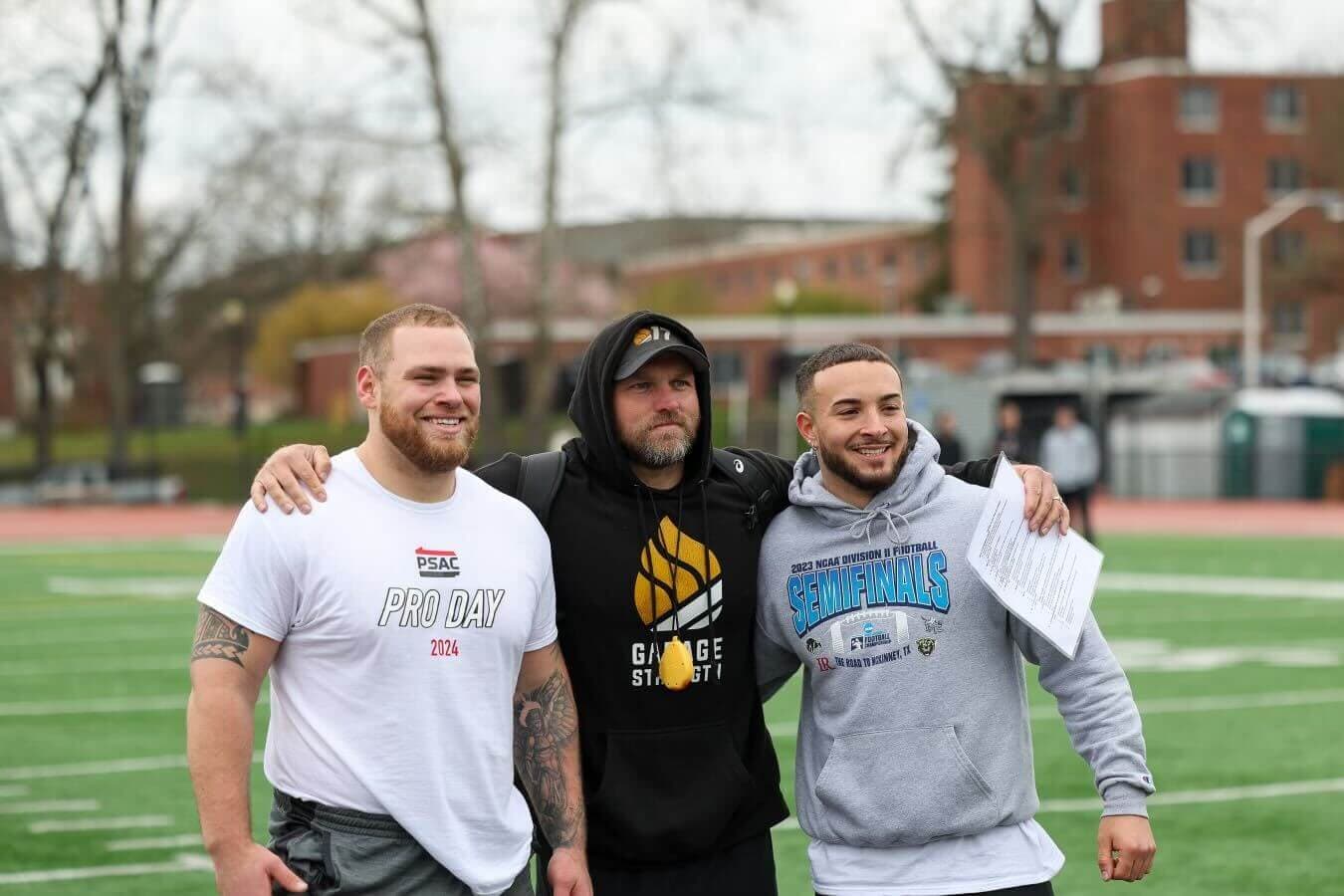
Here's the reality of coaching. You can have the best program in the world, but it's worthless if no one actually does it, and it's only average if it's done without passion. The culture plus program is what actually produces champions. Program alone
Most coaches who fail at this make the same errors. They fall into comparative suffering, constantly referencing "back in my day" or holding every athlete up against some model athlete instead of understanding what actually makes the kid in front of them tick.
What to Do Instead
Build Culture around these 4 Pillars:
Trust is built on the foundation of reliability, competency and having a shared vision. It flourishes when coaches also have the capacity to work collaboratively, and listen empathetically. The best coaches understand that firm guardrails provide structure that helps stay on track and working towards a common goal, but being too rigid can lead to friction. Building a great culture requires everyone to share the vision and trust the process.
Expectations provide clear communication that starts before day one. The first conversation with an athlete and their parents has to set real expectations, training days, session length, workout flow, all communicated up front. It has to include the challenge, being honest that this will be hard, uncomfortable, and demanding, because that's the point. And it has to include the timeline. This is a three to five year process, not a season and not a summer. From there, communication continues every single session through the 3 P's, Plan, Presentation, and Power. Know what's happening before athletes walk in. Present the goals of that session clearly.
Accountability is where culture either holds or falls apart. This means comparing input to output, days trained, effort, adherence, technique, recovery, against actual results, testing numbers, sport-specific outcomes, physical change. It means incorporating positive (and sometimes negative) consequences to keep athletes motivated, and working hard. It means Inspiring athletes to tap into their internal competitive spirit. This comes from record boards and banners on the wall that create urgency the moment an athlete walks in. It comes from celebrating PRs, posting accomplishments, playing music with intention, and training athletes in large groups around next-level athletes.
Measurement provides an opportunity to reflect and adapt to the needs of your athletes. This not only provides you with valuable insight into the effectiveness of your coaching, but also provides an opportunity for your athletes to shine outside of their sport. Measuring and tracking testing numbers for each athlete help develop culture so they can see the direct improvements buy-in further into your system. By dedicating weeks and dates to testing, athletes have something to work toward instead of just training to get better for their sport. If your culture is healthy, they will want to improve each testing period
Final Thoughts
Coaching is not one skill. That's the real lesson buried in every mistake on this list. Coaching isn't one big decision you get right once. It's a hundred small, intricate pieces, programming, individualization, communication, intensity management, culture, all layered on top of each other, and missing any single piece weakens the whole structure.
A strong foundation without individualized programming plateaus. Individualized programming without restraint in coaching turns into overload. Restraint without maintained intensity in-season lets strength quietly disappear. And none of it matters long-term without a culture strong enough to make athletes chase excellence when you're not even in the room.
The coaches who get real results aren't the ones who found one secret. They're the ones who respect how interconnected this all is, who understand that strength, individualization, coaching presence, intensity, and culture are not separate boxes to check, but one system that either reinforces itself or breaks down together. Build the whole system. Respect every piece of it. That's the job.
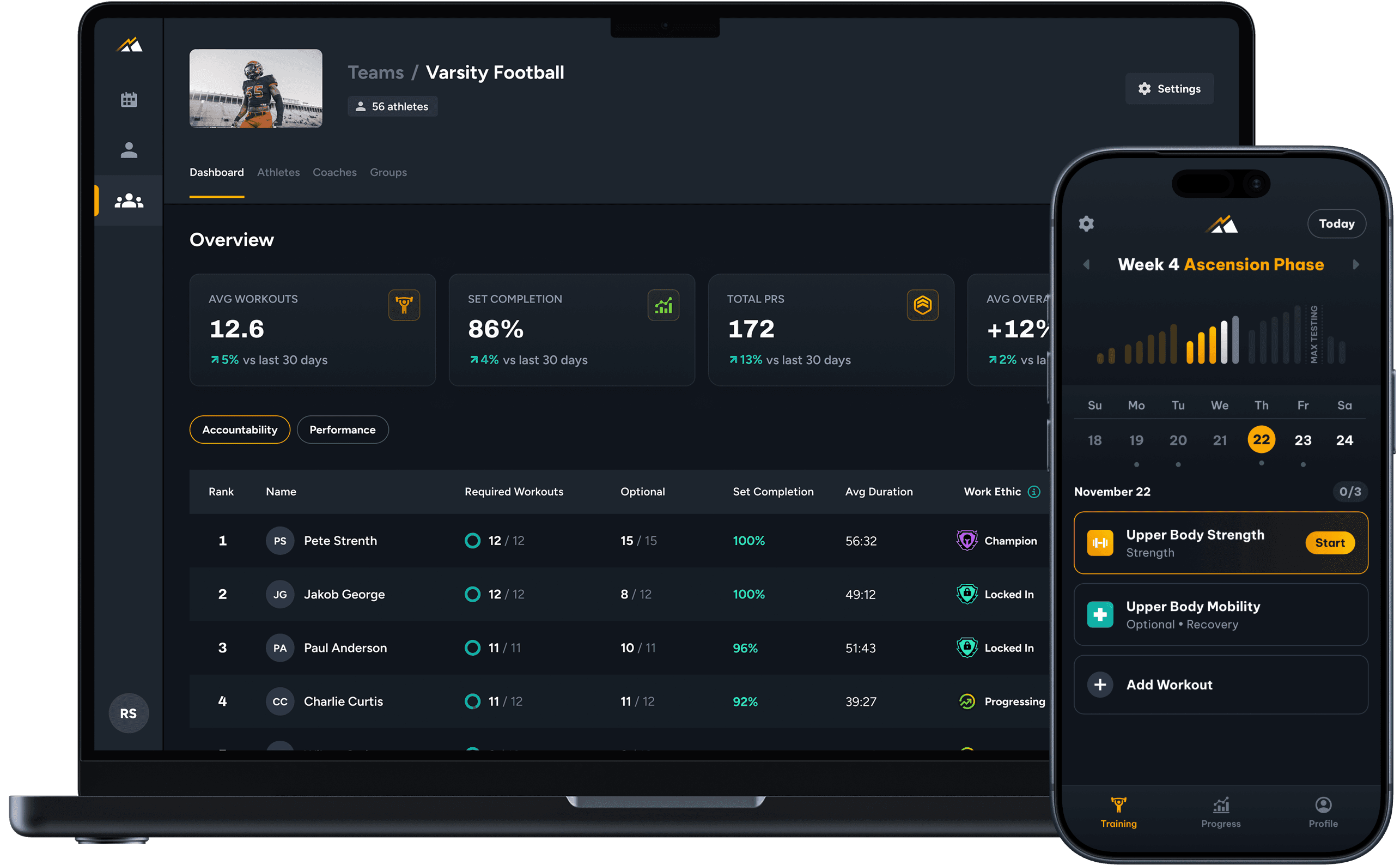
To make sure you can focus on what matters, apply these lessons with the Peak Strength Teams coaching dashboard where planning, execution, and accountability come together in one place.
Ivan Escott
Ivan is a national-level Olympic weightlifter and performance coach at Garage Strength Sports Performance.