How High Should You Be Able to Jump? - Athlete & Sport Benchmarks
by Ivan Escott
Jan 9, 2026
•12 minutes
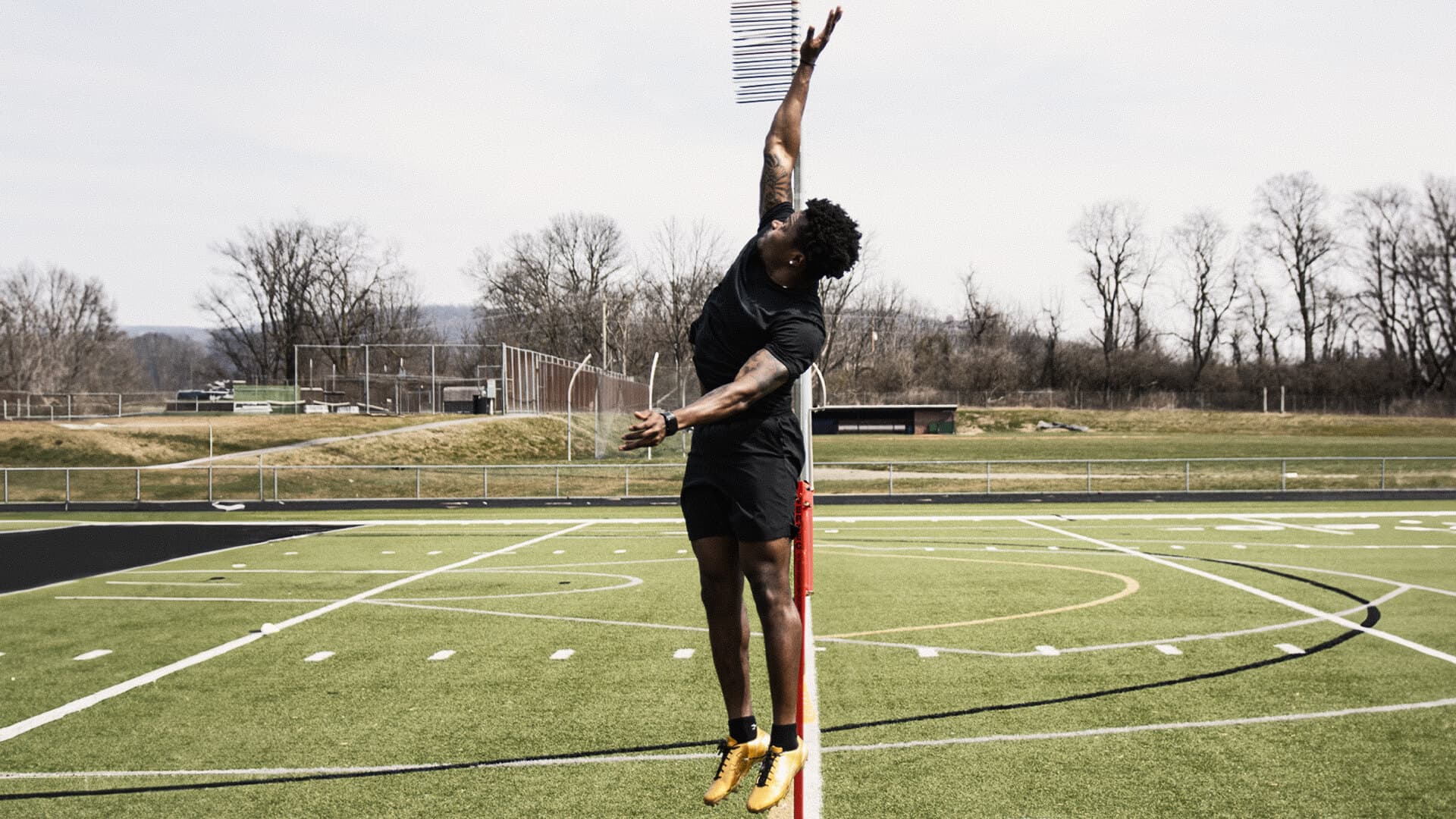
Vertical Jump Benchmarks for Explosive Athletic Performance
Vertical jump height is one of the most widely used metrics to measure raw athleticism, lower-body power, and overall explosiveness. From middle school athletes beginning their development to elite post-collegiate competitors preparing for combines, understanding where you stand, and what your goals should be, can dramatically improve your training direction and long-term performance.
In sports like basketball, volleyball, football, and track & field, a higher vertical jump doesn’t just look impressive; it translates into faster acceleration, more powerful takeoff, and greater on-field or on-court dominance.
Our team at Peak Strength is going to break down age-specific vertical jump benchmarks based on your sport.
Why Vertical Jump Is One of the Most Important Athletic Tests
The vertical jump measures how efficiently your body produces force, making it a reliable indicator of speed, power, and neuromuscular efficiency. Athletes with strong vertical jump numbers are typically faster, more agile, and more explosive in game-time situations.
This is why the vertical jump is featured heavily in combines, showcases, and recruiting evaluations.
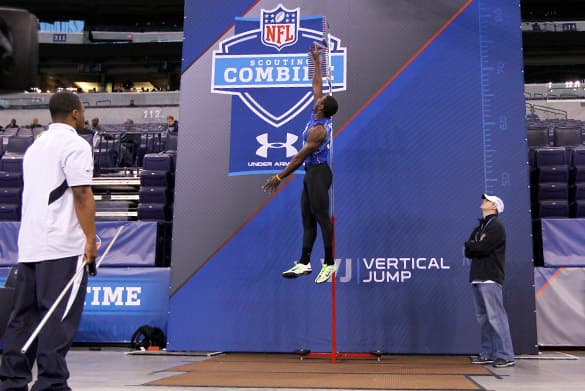
In sports such as basketball and volleyball, a strong vertical jump determines how well you can block, rebound, spike, or contest shots. Football players rely on vertical power to win jump-ball situations, explode off the line, and change direction quickly. Even sprinters and field athletes benefit from improved jump mechanics, as they share the same performance qualities: power, timing, and rapid force output.
Having a higher vertical jump is a strong indicator of athleticism and potential for performance.. That’s why coaches and scouts at every level, from youth sports to professional programs, use it as a benchmark of athletic potential.
Along with vertical jump, we have other athlete benchmarks here:
- Squat Strength Standards and Benchmarks
- Bench Press Strength Standards and Benchmarks
- Deadlift Strength Standards and Benchmarks
Vertical Jump Benchmarks by Sport, Level, and Gender
Vertical jump performance varies widely based on your sport, position, and training background. Below are detailed benchmarks for vertical jump, separated by major sport categories, with experience scales from middle school to post-collegiate. Use the benchmarks below to see if you are above, in line, or below the average for your age range.
These benchmarks below have been determined based on the Garage Strength athlete testing system. Garage Strength has been specializing in sports performance training and developing elite athletes, national champions, and Olympians for over 15 years.

The onsite facility of Garage Strength engages in regular testing weeks every 3 months throughout the year to monitor athlete progress. Peak Strength’s training plans are based on the training system developed by Dane Miller, head coach and owner of Garage Strength Sports Performance.
NOTE: These vertical jump benchmarks are not absolutes. A lot of good athletes can compete at a high level without having hit the benchmarks listed at the collegiate or post-collegiate level. It is just a general guideline for prospective athletes to understand what numbers they should aim for to have the physical ability to compete at certain levels.
Below are standard ranges for standing vertical jumps (no approach), commonly used across multiple sports. These numbers vary with training age and gender, but they serve as reliable performance targets for athletes and coaches.
Sport Depth 1 Vertical Jump Standards
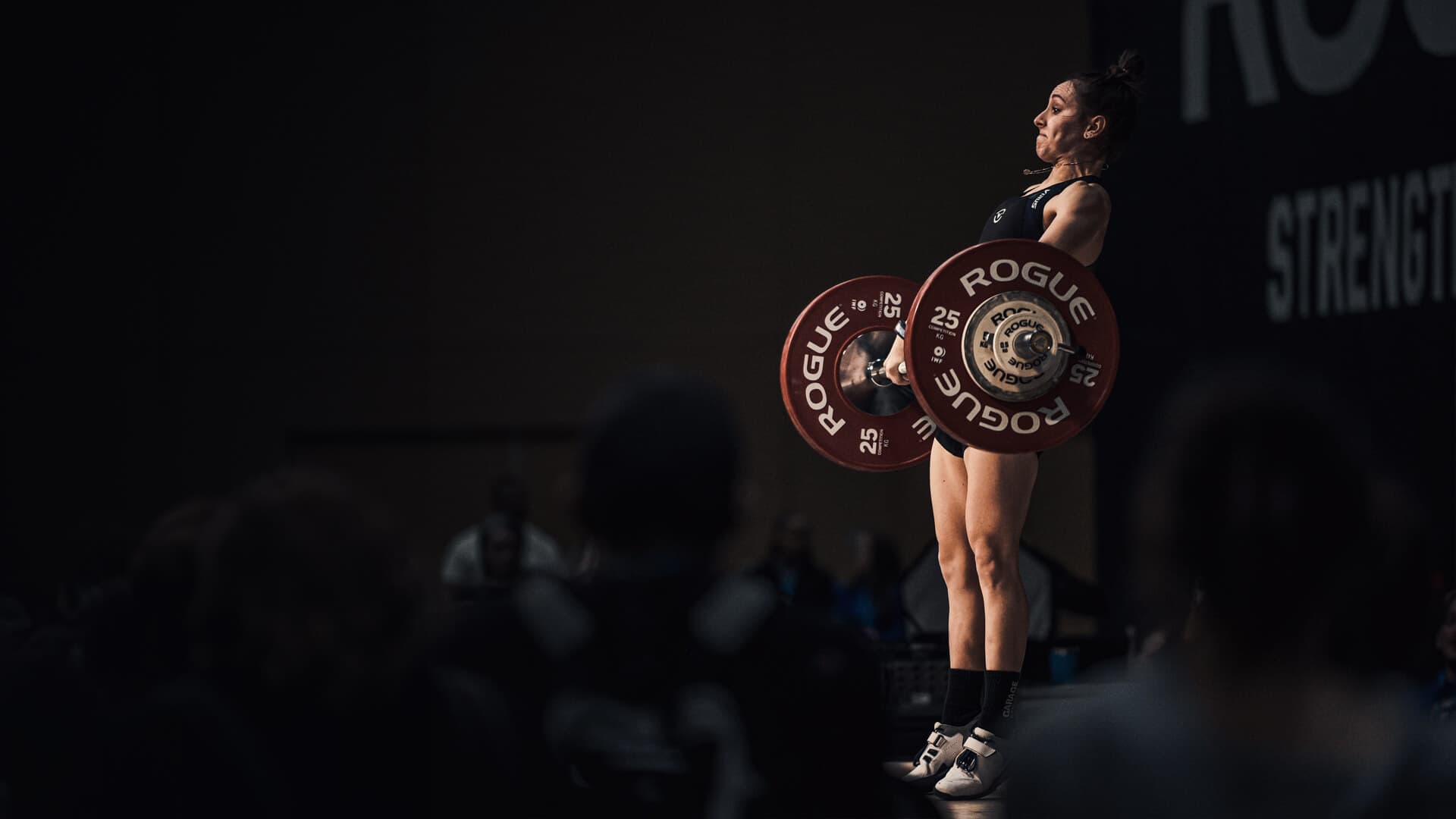
Sports included: shot put, discus, hammer, Olympic weightlifting, powerlifting, and hockey goalies.
Sport Depth 1, Strength and Power, covers sports that prioritize maximal force production, with relative strength playing a key role in weight-class competition. Speed is not emphasized in a traditional sense, since performance is executed within a constrained movement environment. Success in these sports requires athletes who are strong, powerful, and capable of generating rapid force outputs in split-second actions.
Men
Middle School: 15 - 20 inches
High School: 20 - 24 inches
Collegiate: 24 - 30 inches
Post-collegiate: 30+ inches
Women
Middle School: 12 - 15 inches
High School: 15 - 17 inches
Collegiate: 18 - 21 inches
Post-collegiate: 22+ inches
Sport Depth 2 Vertical Jump Standards
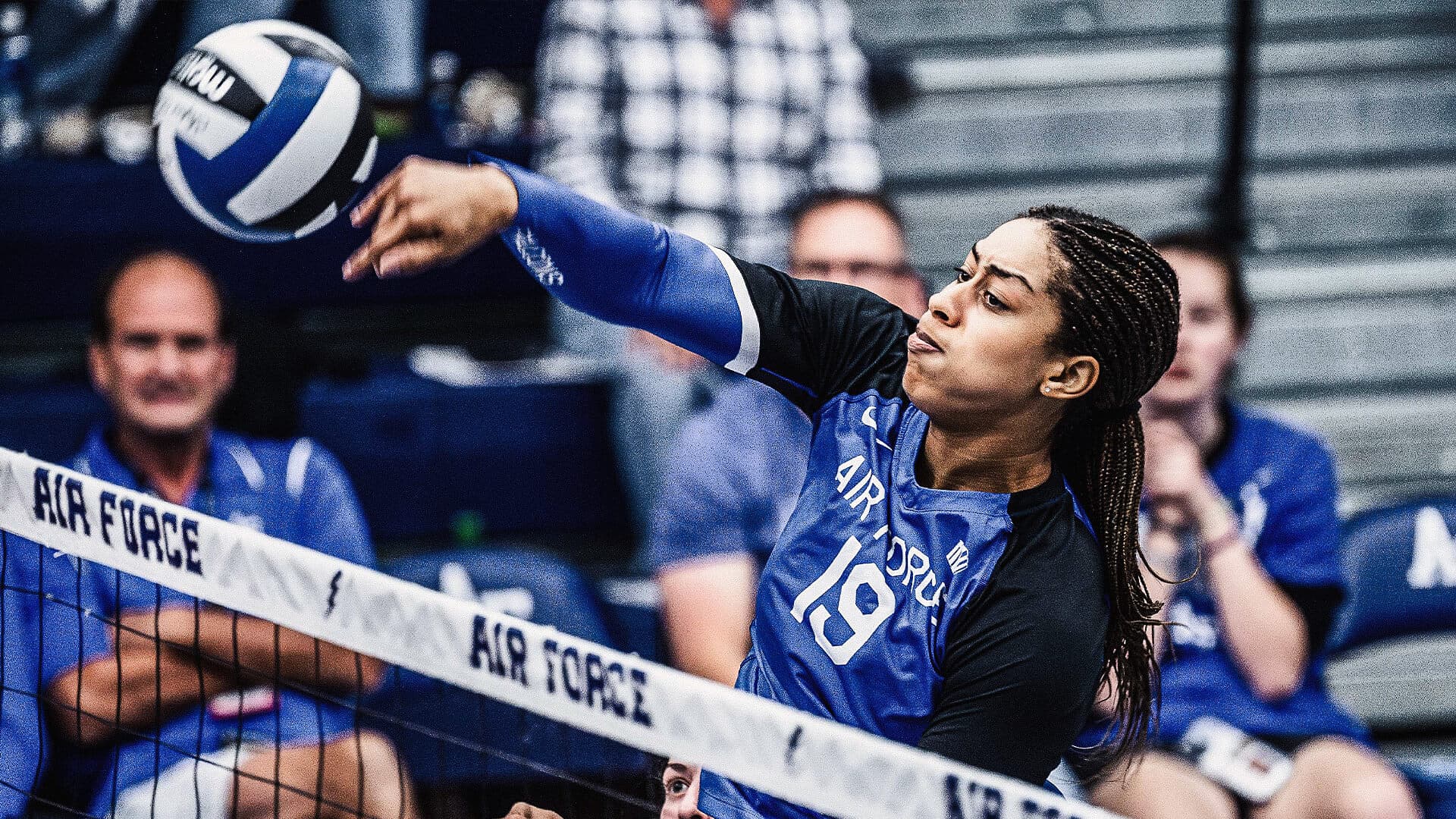
Sports included: rugby, football, ice hockey, cricket, baseball/softball, badminton, golf, track & field (jumps and sprints), gymnastics, cheer/dance, sprint cycling, and volleyball.
Sport Depth 2, Speed and Power, highlights sports where explosiveness must be expressed repeatedly. Athletes train to apply high levels of force rapidly, often under fatigue and across multiple efforts. Performance is characterized by short, intense bursts of movement involving acceleration, change of direction, and intermittent exposure to maximal velocity.
Men
Middle School: 28 - 22 inches
High School: 23- 28 inches
Collegiate: 29 - 35 inches
Post-collegiate: 35+ inches
Women
Middle School: 15 - 17 inches
High School: 17 - 19 inches
Collegiate:19 - 22 inches
Post-collegiate: 23+ inches
Sport Depth 3 Vertical Jump Standards

Sports included: wrestling, bjj, mma, judo, karate, climbing, canoe/kayak, and rowing
Sport Depth 3, known as Strength Endurance, exists in a brutally demanding intensity zone where fatigue rapidly accumulates. Strength and power are essential, but they must be maintained through repeated, taxing efforts. These athletes perform in an environment defined by discomfort, grit, and the ability to push through sustained physical and mental stress.
Men
Middle School: 15 - 20 inches
High School: 20 - 25 inches
Collegiate: 25 - 32 inches
Post-collegiate: 32+ inches
Women
Middle School: 14 - 16 inches
High School: 17 - 19 inches
Collegiate: 20 - 22 inches
Post-collegiate: 23+ inches
Sport Depth 4 Vertical Jump Standards

Sports included: soccer, skiing/snowboarding, field hockey, lacrosse, basketball, water polo, handball, tennis, swimming, figure skating, ultimate frisbee
Sport Depth 4, Continuous Go, demands ongoing locomotion with frequent speed adjustments and directional changes. Athletes must remain physically and mentally prepared for continuous action, often without clear breaks in play. This environment rewards lean, durable athletes who possess strong relative strength, aerobic capacity, and elastic qualities that support repeated, efficient movement.
Men
Middle School: 20 - 25 inches
High School: 25 - 30 inches
Collegiate: 30 - 35 inches
Post-collegiate: 35+ inches
Women
Middle School: 18 - 21 inches
High School: 21 - 24 inches
Collegiate: 27 - 30 inches
Post-collegiate: 30+ inches
Sport Depth 5 Squat Strength Standards

.png&w=3840&q=75)
.png&w=3840&q=75)
Sports included: cross country, distance cycling, marathon, triathlon, cross country skiing, track & field (distance events)
Sport Depth 5, known as Great Distance, encompasses sports centered on sustained endurance output. For these athletes, sport-specific practice serves as the primary endurance stimulus. Complementary strength, speed, and power training remains essential, though dosage and intensity are strategically moderated to support endurance performance rather than detract from it.
Men
Middle School: 15 - 18 inches
High School: 18 - 23 inches
Collegiate: 24 - 30 inches
Post-collegiate: 30+ inches
Women
Middle School: 12 - 15 inches
High School: 15 - 17 inches
Collegiate: 18 - 24 inches
Post-collegiate: 25+ inches
How to Improve Your Vertical Jump: Proven Training Methods
Improving your vertical jump takes more than simply jumping more often. Athletes need strength, power, speed, and efficient technique. When these qualities are trained together in a structured program, jump height increases significantly.
Impulse is the product of force and the time over which that force is applied.
Impulse = F × Δt
In order to create greater impulse, we can increase the forces or increase the time over which the force is applied to improve takeoff velocity, and jump higher.
Greater impulse → higher take-off velocity → higher jump height.
There are 3 ways to improve vertical jump.
Produce higher peak forces (more force into the ground) via strength training
Increase force application time by through a deeper, rapid counter movement or longer triple extension
Optimal blend - maximize force and efficiency - a strong athlete who also uses a swift countermovement and full extension to generate the largest impulse.
1. Strength Training: The Foundation of Power
What allows you to produce more force, faster, through the jump range of motion, in the time you have available? Lower-body strength training is one of the most reliable ways to improve those ingredients.
Lower-body strength training elevates this force ceiling. As athletes improve maximal and relative strength in key patterns such as squats, hinges, and unilateral movements, they gain greater force potential at the hips, knees, and ankles, which directly increases vertical force.
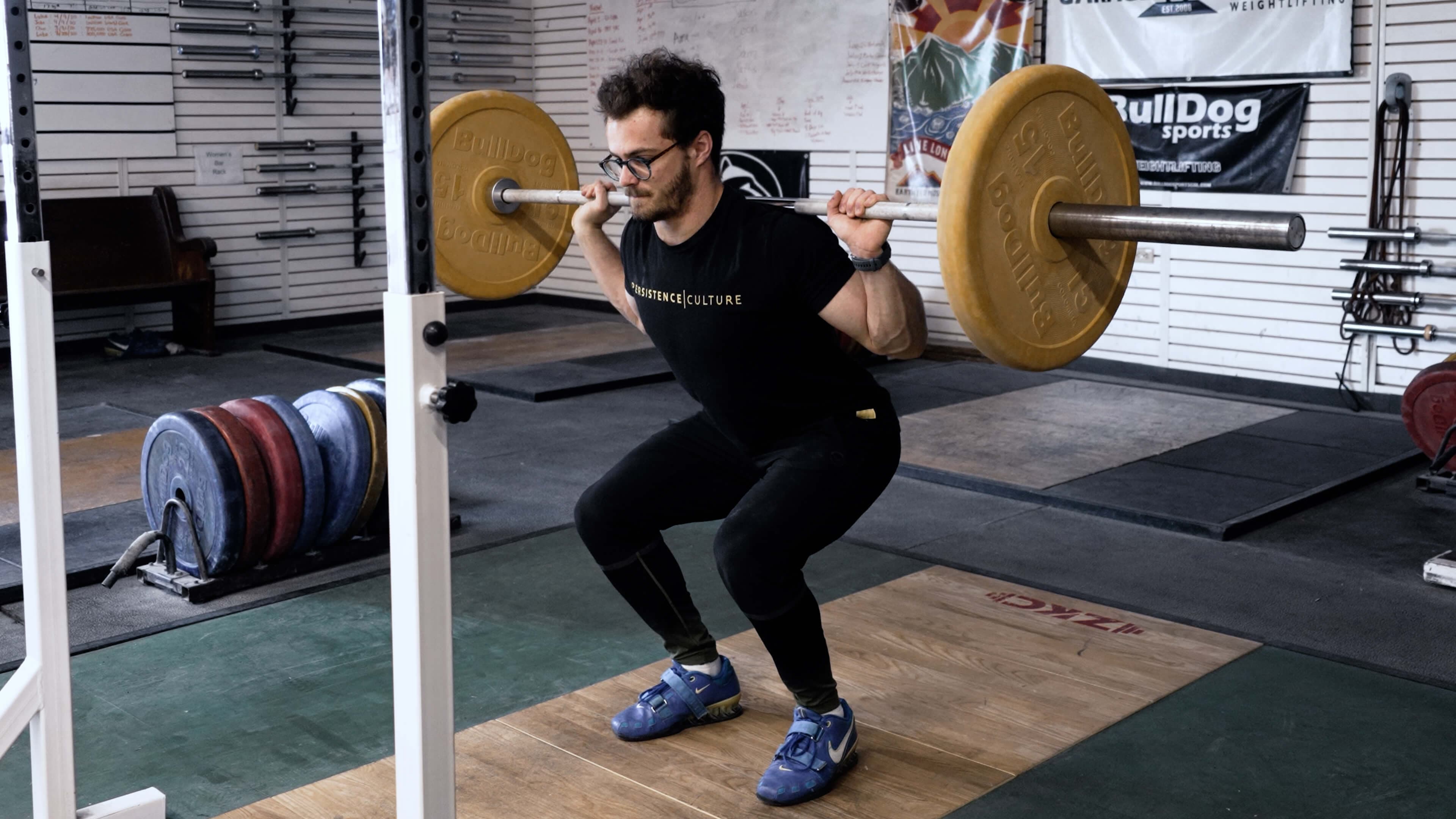
Enhanced strength also improves rate of force development and stretch–shortening cycle efficiency, allowing athletes to reach higher force outputs earlier in the jump and transfer that force more effectively through triple extension.
That’s why Peak Strength pairs heavy strength work with plyometrics and explosive lift variations. Strength builds the capacity; explosive training refines its application. The result is higher, more repeatable jumps.
2. Plyometric Training: Develop Elastic Power
Plyometric training improves vertical jump performance by enhancing the neuromuscular and mechanical qualities that govern how force is absorbed, stored, and re-expressed during the stretch–shortening cycle (SSC).
During a countermovement jump, the athlete rapidly transitions from an eccentric braking phase into a concentric propulsion phase. Plyometrics train this transition to occur faster and more efficiently by increasing an athlete’s ability to tolerate and redirect high eccentric forces.

From a neuromuscular standpoint, plyometrics improve rate of force development by increasing motor unit recruitment speed, firing frequency, and intermuscular coordination across the hip–knee–ankle complex.
This allows athletes to reach high force outputs earlier in ground contact, which is critical given the short time available to produce impulse during takeoff. Mechanically, repeated high-velocity loading improves tendon stiffness and elastic energy return, reducing energy loss and improving force transfer through the lower extremity.
When layered on top of sufficient lower-body strength, plyometrics convert raw force capacity into usable jump-specific power.
3. Olympic Lift Variations: Train Rapid Force Production
Olympic lifts play a critical role in improving vertical jump performance because they train the athlete to produce high levels of force at high velocities.
Unlike slow strength lifts, Olympic lift variations emphasize rapid triple extension of the hips, knees, and ankles while coordinating force transfer through the entire kinetic chain. This trains the nervous system to synchronize large motor units quickly, improving peak power output and rate of force development during takeoff.
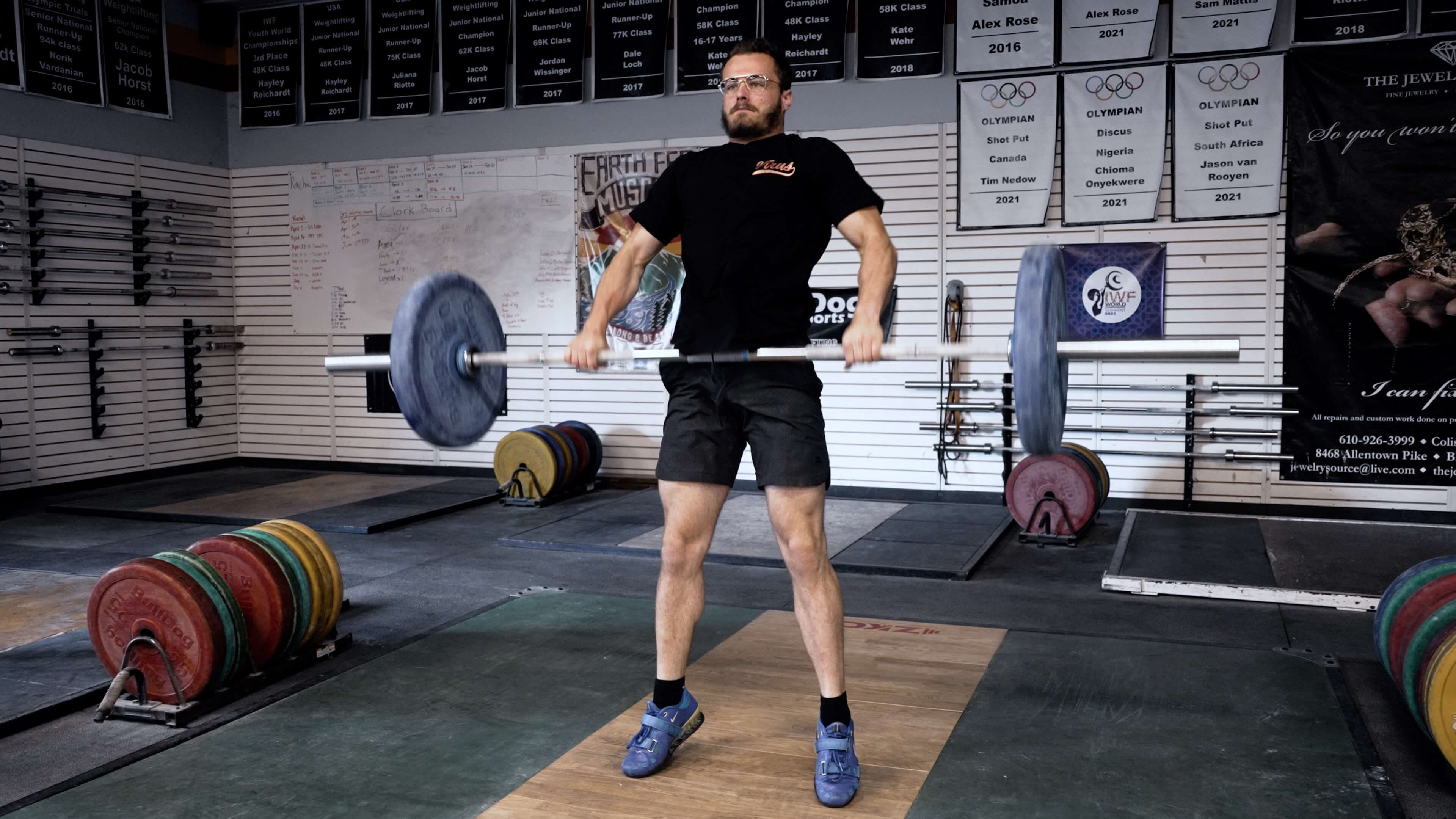
Olympic lifts also reinforce vertical force orientation and stiffness through the trunk and lower body, which minimizes energy leaks during explosive movements. The rapid transition from eccentric loading to concentric force production in many Olympic lift derivatives closely mirrors the stretch–shortening dynamics of a countermovement jump. When athletes already possess a strong force base, Olympic lifts act as a bridge between maximal strength and jump-specific power.
Key dynamic Olympic movements and their jump benefits:
Power Clean – Improves rapid force production and triple extension, increasing takeoff velocity.
Hang Clean – Enhances force output from limited range and short time frames, similar to jump propulsion.
Snatch Pull / High Pull – Trains high-force intent at speed, reinforcing vertical force application.
Clean Pull – Develops explosive hip extension without technical overhead demands.
Push Jerk – Improves lower-body impulse and force transfer through a stiff torso.
4. Jump Technique Optimization
A vertical jump is a coordinated sequence of movements designed to maximize vertical force production and take-off velocity. Proper technique ensures that strength and power qualities are expressed efficiently with minimal energy loss.
Athletic Setup: Begin tall with feet roughly hip-to-shoulder-width apart, weight evenly distributed through the midfoot. The torso is upright, ribs stacked over the pelvis, and arms relaxed but ready to swing.
Countermovement (Loading Phase): Initiate the jump by smoothly dipping into a quarter- to half-squat. Hips travel back and down while the knees bend and track over the toes. This phase should be controlled, not slow, allowing elastic energy to be stored in the muscle-tendon system.
Transition: The transition from downward movement to upward drive must be quick. Excessive pause reduces elastic energy return and power output. The goal is minimal ground contact time while maintaining stability.
Propulsion (Takeoff): Explosively extend the hips, knees, and ankles in sequence (triple extension) while forcefully driving the arms upward. Force should be applied straight into the ground to maximize vertical impulse.
Flight and Landing: Leave the ground fully extended. Land softly with hips and knees flexing together to absorb force safely.
Efficient timing, vertical force orientation, and stiffness throughout the movement are critical for maximizing jump height.
Specific Training Plan for Vertical Jump
Improving vertical jump over time requires a structured training plan that progressively develops strength, power, plyometrics, and technique in the correct sequence. Without structure, adaptations stagnate or regress. A well-designed plan ensures consistent overload, proper recovery, and efficient transfer of training to higher jump performance.
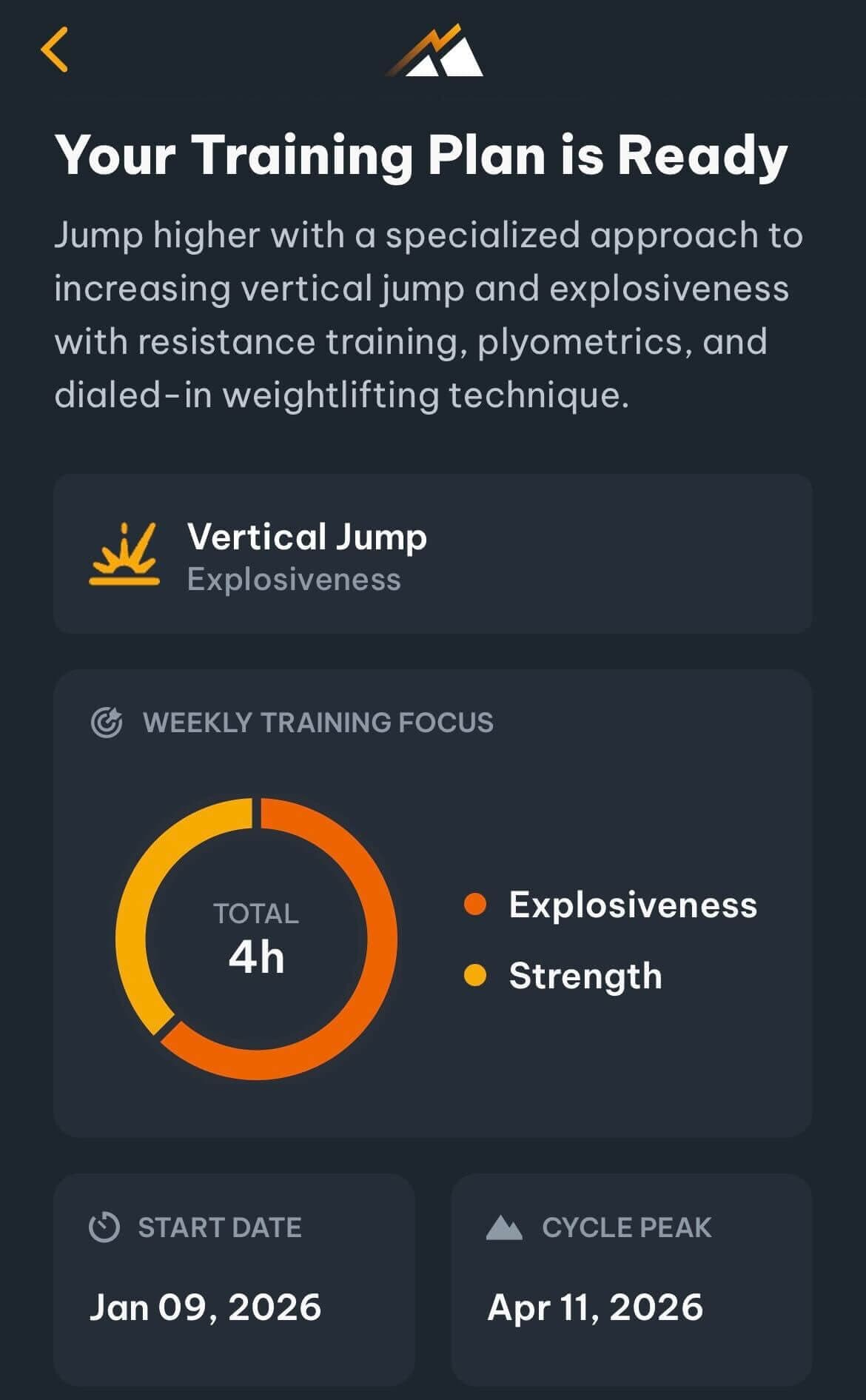
The Peak Strength app delivers a structured, data-driven training plan specifically designed to improve an athlete’s vertical jump through a fully personalized approach. Rather than relying on generic jump programs, the app builds vertical jump performance by addressing all contributing qualities: strength, explosiveness, plyometrics, and technical execution.
Lower-body strength training forms the foundation, developing the force capacity required for higher impulse production.
Explosive movements and Olympic lift derivatives are layered on top to improve rate of force development and power expression.
Plyometric progressions are strategically placed to enhance stretch–shortening cycle efficiency and reactive strength, translating strength into usable vertical displacement.
Technical jump training reinforces proper sequencing, force direction, and takeoff mechanics to reduce energy leakage.
Load prescriptions are personalized, providing recommended weights, intensities, and progressions rather than guesswork.
This training plan allows athletes to train with intent, precision, and a champion mindset to literally reach new heights.
Ready to Jump Higher?
If you’re serious about improving your vertical jump and becoming a more explosive athlete, now is the time to take action. Expert coaching from Peak Strength provides the personalized training and proven methods needed to elevate your performance and reach new heights.
Whether you're preparing for tryouts, aiming for a scholarship, or looking to dominate your sport, Peak Strength can help you make it happen.
Start your trial of the vertical jump training plan to perform exactly when you need to.
Ivan Escott
Ivan is a national-level Olympic weightlifter and performance coach at Garage Strength Sports Performance.